




What is the Urban Heat Island Effect?
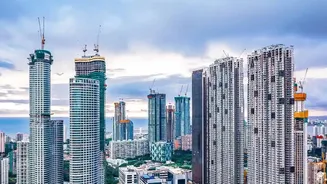
Imagine a city as an 'island' of heat. During the day, the vast surfaces of concrete, asphalt, and dark-coloured roofs that define our urban landscapes absorb and store far more solar radiation than natural environments like forests and fields. As the sun
sets, this stored heat is slowly released back into the atmosphere, causing urban areas to be significantly warmer than their surrounding rural counterparts. This phenomenon is known as the Urban Heat Island (UHI) effect. The combination of heat-retaining materials, limited green spaces for natural cooling, and heat generated from vehicles and air conditioners creates a microclimate where nighttime temperatures remain stubbornly high.
The Tier 2 Growth Engine Overheats
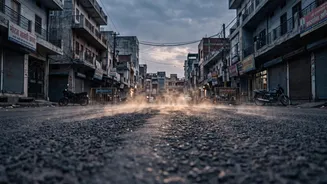
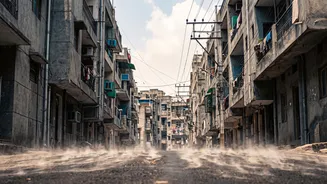
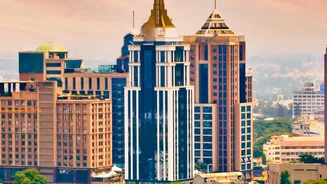
India's Tier 2 cities—like Pune, Lucknow, Jaipur, and Chandigarh—are the new engines of economic growth, witnessing a surge in job creation and development. But this rapid, and often unplanned, urbanisation comes at a cost. Green spaces and water bodies are shrinking to make way for new construction, replacing natural cooling systems with heat-absorbing concrete. This expansion has intensified warming in Indian cities by as much as 60 percent compared to non-urban areas. Studies show that in informal settlements within cities like Kochi and Lucknow, the UHI effect can result in temperatures nearly 4°C higher than in adjacent formal neighbourhoods, exacerbating thermal stress.
The Hidden Cost of Hotter Nights
The most immediate casualty of rising nighttime temperatures is our sleep. To initiate and maintain deep, restorative sleep, our body's core temperature needs to drop. High ambient heat disrupts this natural process, leading to what researchers call 'sleep debt'. A study focusing on residents of informal settlements in Indian Tier-2 cities found that 42% reported sleep disturbances due to night-time heat. This isn't just a matter of discomfort; it involves more tossing and turning, frequent awakenings, and less time spent in the crucial deep and REM sleep stages. The result is fragmented, non-restorative rest that leaves you feeling tired even after a full night in bed.
More Than Just Feeling Tired
Chronic poor sleep is a serious public health issue. Beyond next-day fatigue and irritability, sleep deprivation is linked to a host of negative health outcomes. These include impaired cognitive function, weakened immunity, and an increased risk of long-term problems such as cardiovascular disease and mental health disorders. For a population already facing multiple urban stressors, the added burden of heat-induced sleep loss can create a vicious cycle of poor health and reduced productivity. With less than 10% of Indian households owning an air conditioner, millions are left vulnerable to this growing threat.
Strategies for a Cooler Future
The good news is that we have the tools to fight back against urban heat. Proactive urban planning and heat mitigation strategies can make a significant difference. One of the most effective and low-cost solutions is implementing 'cool roofs'—surfaces painted with reflective white coatings that can lower indoor air temperatures by an average of 2°C. Telangana has already become the first state to launch a comprehensive Cool Roof Policy, mandating their use on new government and commercial buildings. Other key strategies include expanding urban green infrastructure, such as parks and roadside trees, which provide shade and natural cooling through evapotranspiration. Integrating these 'blue-green' infrastructures, as seen in cities like Ahmedabad and Pune, creates interconnected cooling corridors that improve overall livability.