

From Counting Planets to Analyzing Atmospheres
For years, the search for life was a numbers game focused on finding planets in the so-called 'Goldilocks Zone'—the region around a star where conditions might be just right for liquid water. But simply finding rocky worlds is no longer the final frontier.
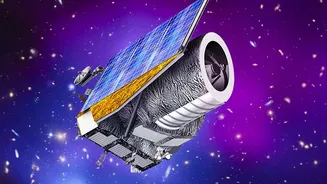
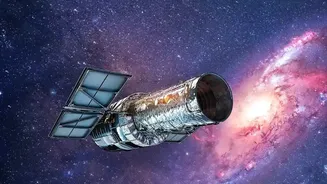
Thanks to the unparalleled power of instruments like the James Webb Space Telescope (JWST), scientists can now do something once relegated to science fiction: analyze the atmospheres of distant exoplanets. By studying the light that passes through a planet's atmosphere, JWST can detect the chemical makeup of that world. This has shifted the goal from just finding potentially habitable planets to searching for 'biosignatures'—gases or chemical imbalances that could indicate the presence of biological processes. This is a monumental leap, allowing us to ask not just if a planet could have life, but whether it shows signs that it does.
Redefining the 'Habitable Zone'
The classic idea of a habitable zone is being stretched and reshaped by NASA's findings. Discoveries of extremophiles on Earth—organisms that thrive in brutally hot, cold, or toxic environments—have proven that life is more resilient than we ever imagined. This has opened up the possibility that life could exist in places far beyond the traditional Goldilocks orbit. Recent JWST observations have added weight to this, finding evidence for atmospheres on 'lava worlds' that orbit incredibly close to their stars. While too hot for life as we know it, the fact that these planets can retain an atmosphere at all is a surprising discovery that helps scientists understand how planetary atmospheres form and survive under extreme conditions. This expands our models for habitability and forces a broader perspective on where life might gain a foothold.
Hidden Oceans in Our Own Backyard
The search for life isn't just happening hundreds of light-years away; some of the most compelling targets are right here in our solar system. Jupiter's moon Europa and Saturn's moon Enceladus are believed to harbor vast liquid water oceans beneath their thick, icy shells. These oceans are not warmed by the sun, but by the gravitational tug-of-war with their giant host planets, which creates tidal forces that generate internal heat. This could be enough to create hydrothermal vents on the ocean floor, similar to those on Earth where vibrant ecosystems exist without any sunlight. NASA's Europa Clipper mission, which launched in 2024 and is currently en route to Jupiter, is specifically designed to investigate Europa's habitability. It will perform dozens of close flybys to analyze its icy shell, confirm the ocean's existence, and even sample plumes of water vapor that may erupt into space, offering a direct taste of an alien sea.
The Ambiguous Art of Biosignatures
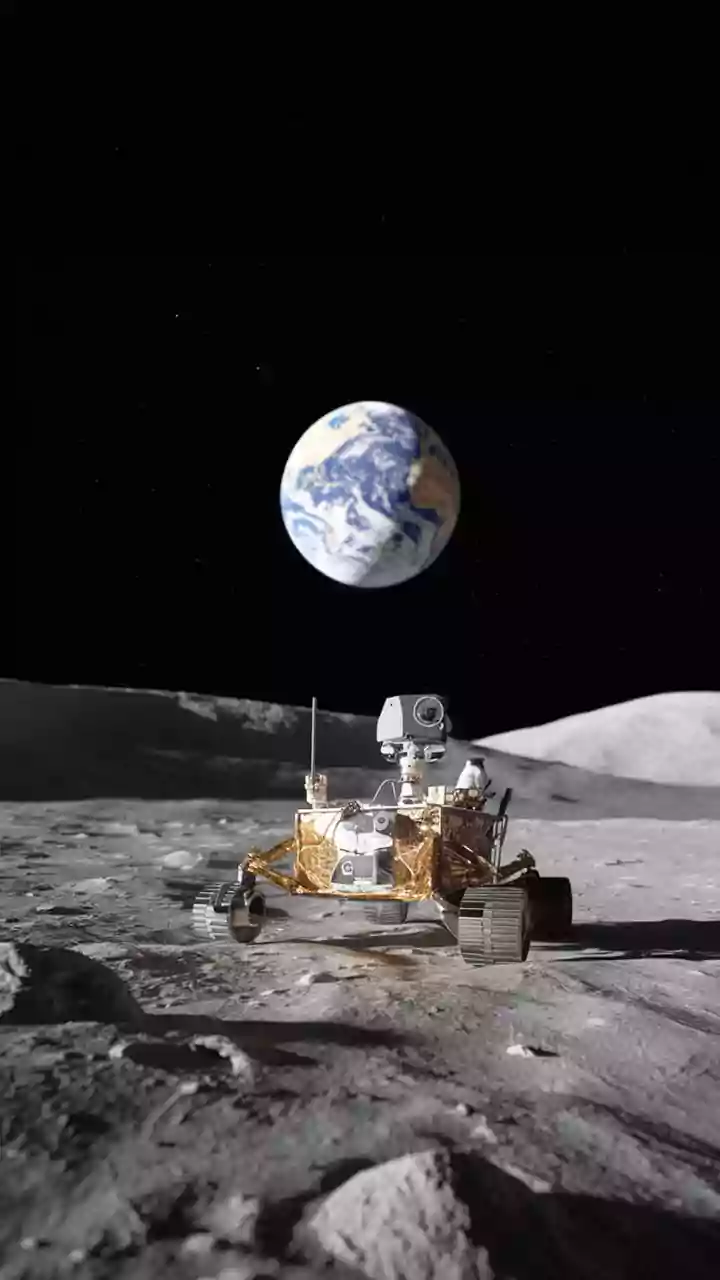
Finding a potential biosignature is not the same as finding life. NASA's Perseverance rover has found organic molecules and other potential signs of past microbial life on Mars, but scientists are cautious, stressing that non-biological processes could also be the cause. Similarly, JWST might detect methane in an exoplanet's atmosphere, which on Earth is largely produced by living things. However, geological activity can also produce methane, creating a false positive. The new challenge for astrobiologists is distinguishing between a genuine sign of life and a planet's natural chemistry. This involves complex modeling to understand all the potential non-biological ways a gas could be produced, ensuring that when an announcement is made, it's backed by rigorous evidence. The scientific community remains cautious, with recent surveys showing that most experts are not yet convinced by the 'potential' biosignatures announced so far.