



The Undeniable Nutritional Power
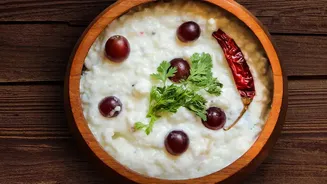
From a purely nutritional standpoint, curd is a year-round superfood. It is packed with essential nutrients like calcium for strong bones, protein for muscle health, and vital vitamins like B12. More importantly, curd is a powerhouse of probiotics, the
'good' bacteria that are crucial for a healthy gut. A happy gut is the foundation of a strong immune system, which is especially important during winter when the risk of infections, colds, and flu is higher. These probiotics aid digestion, help prevent issues like bloating, and contribute to overall wellness, making a compelling case for keeping curd on your winter menu.
The Ayurvedic Perspective on 'Cooling' Foods
Traditional wisdom, particularly from Ayurveda, offers a different view. Ayurveda categorises foods based on their inherent nature (virya) and their effect on the body's doshas. Curd is considered 'guru' (heavy to digest) and is believed to increase Kapha dosha. Kapha is associated with qualities of coldness, heaviness, and mucus. According to this school of thought, consuming curd in winter—a Kapha-aggravating season—can potentially lead to increased mucus secretion, which may worsen conditions like colds, coughs, sinus issues, or asthma in susceptible individuals. This is why many families advise against eating curd, especially at night when digestion is slower and Kapha naturally increases.
Bridging the Gap: It's About 'How' Not 'If'
So, who is right? Both, in a way. The truth lies in a mindful approach. Colds are caused by viruses, not by eating curd. However, the physical temperature of the food can matter. For most healthy people, curd is perfectly safe in winter. The main consideration is for those who are already prone to respiratory issues. For them, the potential increase in mucus can be a real concern. The key takeaway is that you probably don't need to eliminate curd entirely, but you might need to change how you consume it. A few simple adjustments can help you enjoy its benefits without the potential downsides.
Smart Ways to Enjoy Curd in Winter
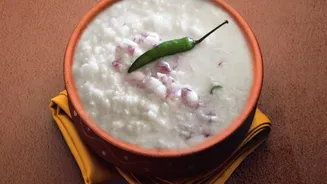
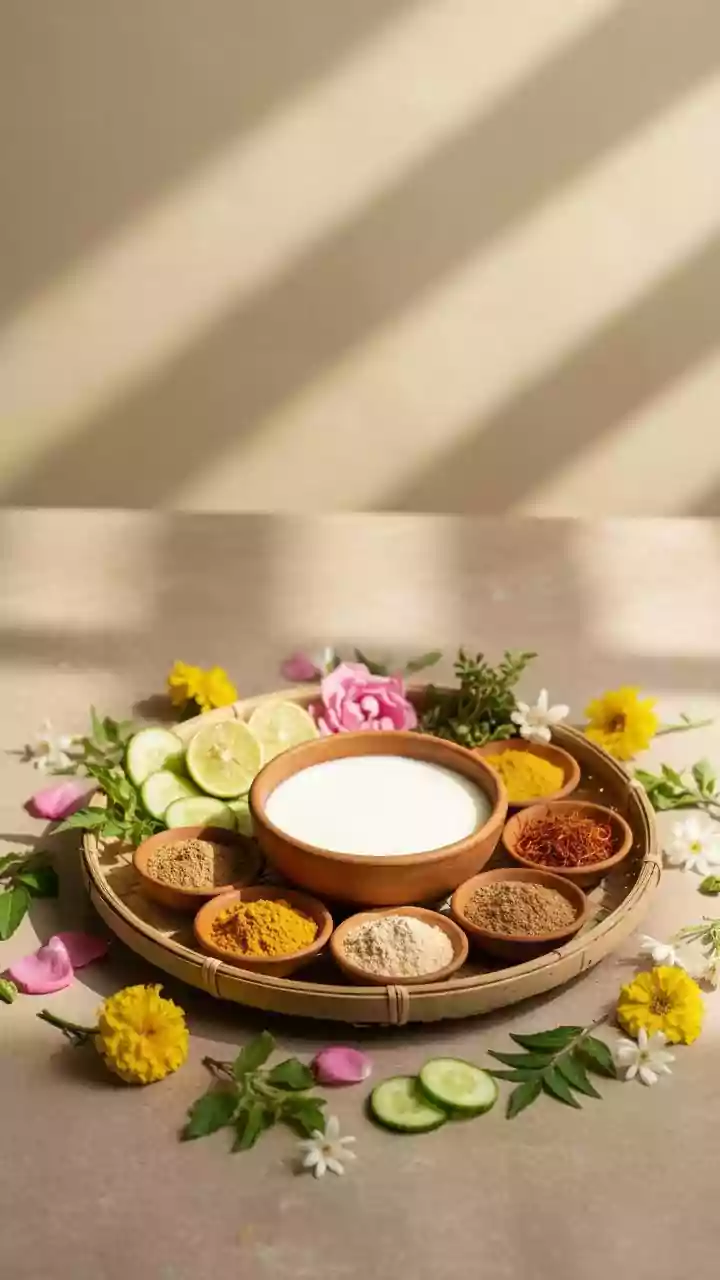
Instead of giving it up, try these simple tips to make curd winter-friendly. First and foremost, avoid eating curd straight from the refrigerator. Let it come to room temperature before consumption, as cold foods can sometimes irritate the throat. The best time to have curd is during the day, preferably with your lunch, when your digestive fire (agni) is at its strongest. Avoid it at night or late in the evening. Another great tip is to add warming spices like roasted cumin powder, black pepper, or a little ginger to your curd or buttermilk. These spices can help counteract its cooling nature and aid digestion. Choosing fresh, homemade curd over a sour or older batch is also recommended.
Listen to Your Body
Ultimately, the most important factor is your own body. Personal tolerance varies greatly. If you have a history of asthma, allergies, or frequent sinus problems, you might find that avoiding curd during winter flare-ups is beneficial. Pay attention to how you feel after eating it. If you notice increased congestion or heaviness, it might be wise to reduce your intake or avoid it until you feel better. However, if you are healthy and have never had an issue, there is no scientific reason to completely banish this nutritious food from your diet during colder months.