






The Post-Pandemic Professional Shift
What began as a public health necessity has evolved into a strategic workplace revolution. The forced experiment of remote work during the pandemic proved to many companies that productivity isn't tied to a physical office. As the dust settled, a significant
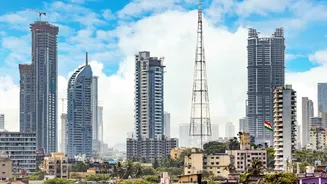
portion of India's workforce, having tasted the flexibility and work-life balance, was reluctant to return to the old ways of long commutes and high living costs in Tier-1 cities. This sentiment has fueled a 'reverse brain drain', where skilled professionals are either moving back to their hometowns or choosing to live in smaller, more affordable cities without sacrificing their careers. More than just a trend, it's a structural change driven by a workforce that now prioritizes quality of life alongside professional ambition.
Digital Infrastructure: The Great Enabler
None of this would be possible without a robust digital backbone. The government's 'Digital India' initiative, coupled with the rollout of affordable high-speed internet and 5G services, has been a game-changer. By March 2026, India's broadband subscriber base had surged, strengthening last-mile connectivity in rural and semi-urban areas. This digital highway is the fundamental prerequisite for a location-independent workforce. Reliable internet transforms a small town from a residential area into a viable base for global operations, allowing professionals to work for a company in Bengaluru or even internationally from a city like Indore or Jaipur. This access has democratized opportunity, making skills, not location, the primary currency in the modern job market.
Physical Upgrades Pave the Way
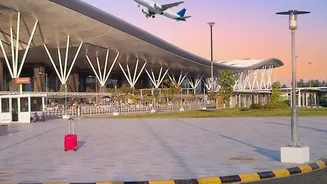
While digital access is crucial, physical infrastructure improvements have been equally vital. The misconception of smaller cities having poor infrastructure is rapidly becoming outdated. Significant government investment in improving road networks, railways, and building new airports has seamlessly connected Tier-2 and Tier-3 cities to national markets. This makes the occasional trip to a head office feasible and eases logistics for businesses. Furthermore, the landscape of work itself is evolving within these cities. The rise of professional co-working spaces provides remote employees with a structured environment, bridging the gap between working from home and a traditional office. Cities like Visakhapatnam, Ludhiana, and Vadodara are attracting major companies and investments thanks to this dual enhancement of digital and physical infrastructure.
A Win-Win for Businesses
Companies are not just accommodating employee demands; they are actively embracing this shift for sound business reasons. Hiring from smaller cities gives them access to a vast, untapped talent pool that was previously geographically restricted. A major advantage is cost-effectiveness. Businesses can reduce massive overheads on real estate in expensive metros, with some tech firms reporting savings of 15-30% since adopting remote work policies. This also leads to lower employee attrition, as staff enjoy a better quality of life with a lower cost of living. This strategy is clearly visible in the IT sector, where active tech job openings in Tier-2 and Tier-3 cities have seen a dramatic year-on-year increase.
The New Engines of Growth
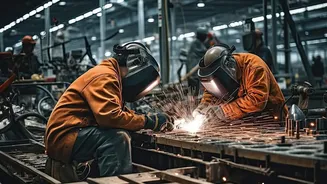
This trend is giving rise to new economic powerhouses. Cities like Jaipur, Indore, Coimbatore, Kochi, and Bhubaneswar are no longer just 'up and coming'; they are becoming significant drivers of India's economy. For example, Visakhapatnam is turning into a major technology and industrial hub, attracting large pharmaceutical and data companies. Indore is recognized for its startup ecosystem and business expansion in IT and manufacturing. Coimbatore is leveraging its strong base in manufacturing and engineering while growing its IT services sector. These cities are fostering a vibrant environment for MSMEs, which account for a significant portion of businesses in these regions, further fueling local job creation across various industries.
Challenges on the Horizon
Despite the positive momentum, the path forward is not without challenges. A primary concern for many companies remains the consistency of infrastructure, with 60% of employers citing connectivity as a hurdle to expanding hiring beyond metros. While improving, power cuts and unstable internet can still disrupt professional work. There are also social and economic questions to consider. A rapid influx of high-earning professionals could lead to rising living costs and strain local resources like healthcare and education. For remote workers, concerns about being overlooked for promotions and a potential lack of visibility compared to their office-based colleagues are very real. Addressing these issues will be crucial for ensuring this growth is sustainable and equitable.