



Decoding River Ratings
Before you even dip a paddle in the water, it’s crucial to understand the language of the river: the International Scale of River Difficulty. Created by the American Whitewater Association, this system grades rivers from Class I to Class VI. Think of it as a difficulty
setting for nature. Class I is the equivalent of a gentle stroll, with fast-moving water but only small ripples and obvious channels. It’s perfect for a scenic float. Class II, labelled 'Novice,' introduces straightforward rapids and wider channels where you'll need to paddle with more intention. Class III (Intermediate) is where the real fun begins for many, with irregular waves, narrow passages, and the need for skilled maneuvering. Class IV (Advanced) and Class V (Expert) are serious business, featuring powerful, long, and obstructed rapids that demand precise handling, a high level of fitness, and a team of experienced paddlers. Class VI is considered so extreme and unpredictable that it's often deemed unrunnable or at the very limits of possibility, reserved for elite teams under favorable conditions.
The Dynamic Nature of Water
Here's the most critical part: a river's classification is not static. The single biggest factor that can change a river's personality overnight is the water level, or flow rate. An increased volume of water makes the current faster, the waves bigger, and the obstacles more dangerous. Rocks that were once easily avoided might create treacherous underwater currents called hydraulics. Safe zones, known as eddies, can shrink or disappear entirely. This means that a river rated as a playful Class III in the dry season can transform into a raging and complex Class IV or even higher during the monsoon. Conversely, very low water can also change the rating, sometimes making a rapid easier by mellowing it out, or making it more technical by exposing a maze of rocks. This is why you can never judge a river by a rating you read online; its true class is determined by the conditions on the day you paddle.
Meghalaya’s Monsoon Effect
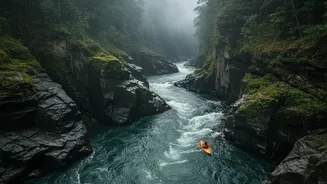
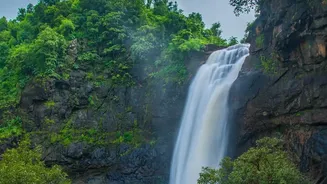
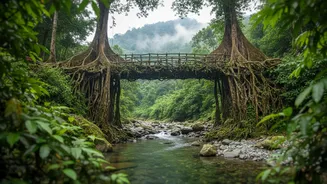
This principle is amplified in Meghalaya, a state famous for receiving some of the highest rainfall on the planet. The region's unique topography, characterized by deep, narrow canyons and steep gorges, acts like a funnel. Even a few hours of intense rain can cause water levels to rise dramatically and with incredible speed. A calm stream can become an unforgiving torrent. The Kynshi River, one of Meghalaya's most iconic waterways for advanced kayakers, is a prime example of a river that changes character based on water levels. Experiences on the Kynshi range from thrilling descents to grueling portages (carrying the kayak around unrunnable sections) entirely depending on the flow. The powerful rivers here, like the Umtrew and Kopili, offer Class IV-V rapids that are a magnet for expert paddlers, but their conditions can shift significantly after a storm.
Essential Safety Protocols
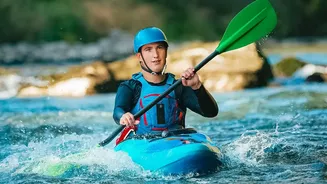
Given the dynamic environment, the 'rules' for canyon kayaking in Meghalaya are less about government regulations and more about non-negotiable safety protocols followed by responsible adventurers and professional outfitters. The cardinal rule is to always go with a certified, local guide. Their knowledge of how a specific river behaves in high water is invaluable and can be lifesaving. Never paddle alone. Always wear the essential safety gear, including a properly fitted personal flotation device (PFD) and a helmet. Pay close attention to safety briefings and be prepared to cancel or change plans based on weather and river conditions. A guide’s decision to call off a trip due to high water isn't a sign of weakness; it's a mark of professionalism and respect for the river’s power.
Your Pre-Paddle Checklist
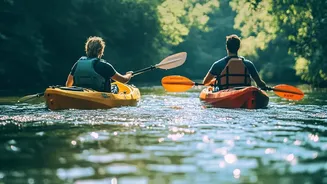
Before booking a kayaking trip in Meghalaya, especially during or just after the monsoon, ask the right questions. Inquire about the outfitter’s high-water safety protocols. Be honest and realistic about your own swimming and paddling abilities; this is not the place to overestimate your skills. Understand that while some spots like Umiam Lake offer calm kayaking suitable for beginners year-round, the state's wild rivers demand expertise. Acknowledge local knowledge, as villagers often know the river's behavior better than anyone. Finally, the most important rule is to maintain a healthy respect for the elements. The goal is not just to run a rapid, but to experience the breathtaking beauty of Meghalaya and return safely with stories to tell.