




An Extension Before the End
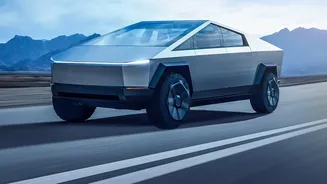
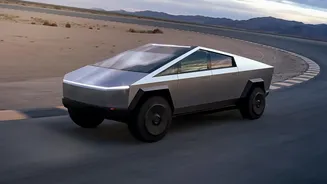
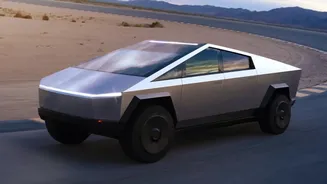
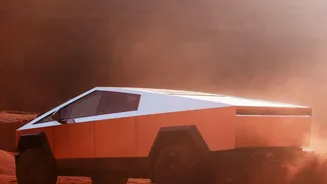
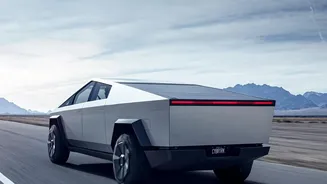
In a surprising update, Elon Musk confirmed that production of the Tesla Cybertruck will continue through the end of summer 2027. This news, however, is not a reversal of the company's decision to discontinue the vehicle, but rather a slight delay of its
production end date. Earlier in November 2026, Tesla had announced plans to wind down the Cybertruck line around mid-2027. This extension of a few months is intended to help clear a small portion of the massive order backlog. Musk acknowledged the move wasn't driven by profit, but by 'sentimentality,' suggesting a desire to get the unique vehicle to a few more patient customers before its chapter closes.
From Botched Reveal to Recalls
The Cybertruck's journey has been fraught with challenges since its very beginning. The infamous 2019 unveiling event, where its supposedly 'shatterproof' windows cracked during a demonstration, set a precedent for a product that consistently struggled to meet its own hype. Originally slated for a 2021 launch, the truck faced repeated delays, with the first customer deliveries not happening until late 2023. Even after launch, the problems continued. Tesla has issued at least 11 recalls for the Cybertruck, addressing issues ranging from a dangerous accelerator pedal flaw that could cause unintended acceleration to faulty trim pieces and malfunctioning windshield wipers.
The Gap Between Promise and Reality
For many of the more than one million reservation holders, the final Cybertruck was a far cry from what they were promised in 2019. The initial advertised starting price of around $40,000 was a key part of its appeal, but the models that were actually delivered started at a much higher price point, with some costing more than double the original estimate. This price shock, combined with specs that fell short of the initial ambitious range promises, caused many early enthusiasts to reconsider their orders. While the Cybertruck captured the world's imagination, its high cost and compromised utility made it a tough sell compared to increasingly capable electric truck competitors from Ford and Rivian.
Making Way for the Cybercab
The primary reason for ending Cybertruck production is a strategic pivot by Tesla. The company is freeing up manufacturing capacity at its Gigafactory in Texas to focus on its next ambitious project: the Cybercab. The Cybercab is a two-seater, fully autonomous robotaxi designed for a transportation-as-a-service model, representing Tesla's deeper push into artificial intelligence and autonomy over traditional vehicle manufacturing. By discontinuing the Cybertruck, Tesla is redirecting valuable factory space and engineering resources toward what it views as a more profitable and scalable future. To streamline the final production run, Tesla has already stopped taking orders for the lower-priced Cybertruck models, offering only the top-tier 'Cyberbeast' variant.