






Meet the Twin July Showers
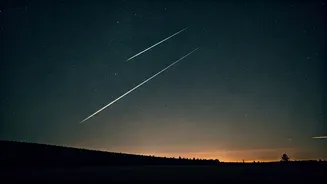
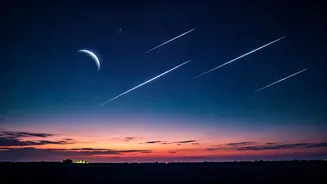
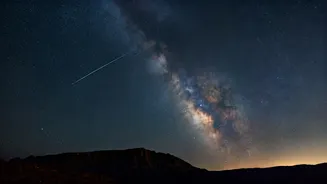
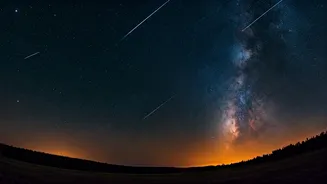
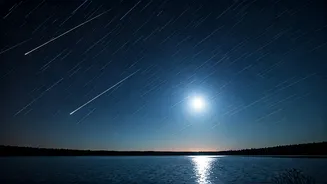
Late July brings not one, but two meteor showers to their peak on the same night: the Southern Delta Aquariids and the Alpha Capricornids. Both are set to reach their maximum activity on the night of July 30-31, 2026. The Southern Delta Aquariids are the more
prolific of the two, capable of producing up to 25 faint, medium-speed meteors per hour under perfect conditions. They are debris from Comet 96P/Machholz. The Alpha Capricornids are much sparser, offering only about five meteors per hour. However, what they lack in quantity, they make up for in quality. This shower is renowned for producing exceptionally bright, slow-moving fireballs—dazzling meteors that can light up the sky.
The Full Moon Problem
The headline challenge for this year's double peak is the Moon. A brilliant Full Moon, known as the Buck Moon, occurs on July 29, 2026. This means that during the peak viewing hours on July 30-31, the Moon will be approximately 98% illuminated, casting a bright glare across the entire night sky. This natural light pollution acts like a celestial screen, washing out all but the most brilliant shooting stars. The faint meteors of the Delta Aquariids, in particular, will be almost completely obscured. Expecting to see dozens of meteors streak across the sky during the peak this year is unfortunately unrealistic.
The Best Strategy: Go Early
So, how do you find that better viewing time? The answer is to watch before the peak. Both meteor showers are active for several weeks. The key is to observe on nights when the showers are underway but the Moon is less of a factor. The ideal window for Indian stargazers is in the week leading up to the peak, roughly from July 21 to July 26. During this period, the waxing moon will set earlier in the night, leaving the crucial pre-dawn hours (from around 2:00 AM to 4:30 AM IST) dark and perfect for meteor spotting. You won't see the absolute peak numbers, but you will have a much darker sky, dramatically increasing your chances of seeing the fainter meteors.
Tips for Peak Night Viewing
If you can only watch on the peak night of July 30-31, don't lose all hope. Adjust your expectations and your strategy. Instead of looking for a high count, hunt for quality. Your best bet is to hope for one of the spectacular fireballs from the Alpha Capricornid shower. These can be bright enough to punch through the moonlight. To maximize your chances, find a location with a clear view of the sky, far from city lights. Try to position yourself so a building, hill, or a line of trees blocks the direct glare of the Moon. This can create a 'moon shadow' that helps your eyes adapt better to the darkness and spot any meteors that do appear.
General Meteor Watching Advice
Whether you watch early or on peak night, the basics of good meteor watching apply. Ditch the binoculars or telescope; your naked eyes are the best tool, offering the widest field of view. Give your eyes at least 20-30 minutes to fully adapt to the darkness, and avoid looking at your phone screen, which will ruin your night vision. Get comfortable on a reclining chair or a blanket on the ground. You don't need to stare at the radiant point (the constellation Aquarius); the meteors will appear all across the sky. Patience is paramount, as meteors often come in spurts with lulls in between.