






The Fantasy vs. The Reality
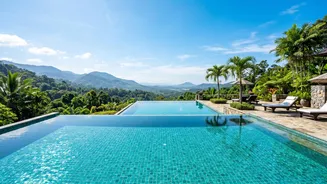
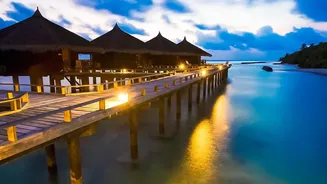
Resort websites and brochures are masters of illusion. They showcase infinity pools, pristine rooms, and romantic sunsets, but they rarely show you the view in the other direction. That idyllic beachfront hotel might be right next to a noisy nightclub
or a major construction site. A 'centrally located' resort could be on a street with relentless traffic, making every trip an ordeal. Ignoring the precise location is one of the most common mistakes travellers make, often leading to unexpected costs for transportation or a sense of isolation from the attractions you came to see. The glossy photos don’t lie about the room, but they omit the crucial context of its environment. A few minutes of due diligence can prevent a week of disappointment.
Your Digital Investigation Toolkit
Fortunately, you have a full suite of digital tools at your disposal to become a location expert. Start with Google Maps and its satellite view. Don't just look at the pin; explore the surrounding area. Is the 'short walk to the beach' actually a safe and pleasant stroll or a dash across a six-lane highway? Use the Street View feature to virtually 'walk' around the neighbourhood. This gives you an unfiltered look at the area's character, the condition of nearby buildings, and the general atmosphere. Next, check user-submitted photos on review sites. While the professional shots are staged, traveller photos often reveal the less glamorous realities—the cramped balcony, the 'ocean view' that requires a telescope, or the construction crane looming over the pool.
The Proximity Audit
A great location is relative to your own travel plans. Before you even look at hotels, map out the 'anchors' of your trip—the specific sights you must see, the restaurants you want to try, the airport you're flying into, and any event venues. A resort might be perfect for a leisure traveller who wants to be near the beach, but terrible for a business traveller who needs to be near a convention centre. Measure the travel time, not just the distance. A hotel that looks close on a map might be an hour away in city traffic. Use mapping tools to check travel times for the specific journeys you'll be making repeatedly, at the actual time of day you'd be travelling. This simple step ensures that convenience is built into your trip, saving you time and stress.
Reading Between the Lines of Reviews
Hotel reviews are a goldmine of information, but you need to know how to read them. Ignore the generic 'it was great!' comments and look for specific details about the location. Use the search function on review sites to look for keywords like 'location', 'noise', 'walk', 'transport', 'safe', and 'neighbourhood'. Are multiple people mentioning that the area felt unsafe after dark? Are there repeated complaints about a nearby train track or early morning street noise? One bad review could be a disgruntled guest, but ten reviews mentioning the same problem signal a pattern. Conversely, positive trends—like guests praising the easy access to a metro station or the abundance of charming local cafes—are strong indicators of a well-placed resort.
Matching the Vibe to Your Tribe
Every neighbourhood has a distinct personality, and your resort's location should match the 'vibe' you're looking for. Are you seeking a romantic, tranquil escape or a lively, social atmosphere with plenty of nightlife? A family with young children has very different location needs than a group of friends on a celebratory trip. Researching the area's character helps you avoid a mismatch. If your goal is to relax in peace, booking a resort in the heart of a party district is a recipe for frustration. Conversely, if you want to be in the centre of the action, a remote, secluded resort will leave you feeling bored and isolated. Understanding the resort's specialisation—whether it's geared for families, couples, or adventure-seekers—is a crucial part of the decision.