


Chopta, Uttarakhand: The Mini Switzerland
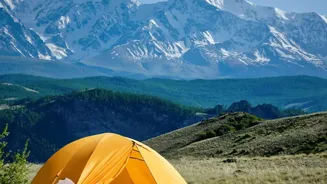
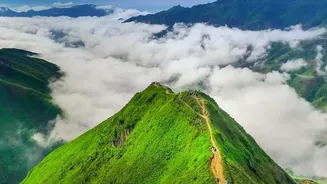
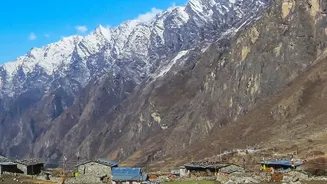
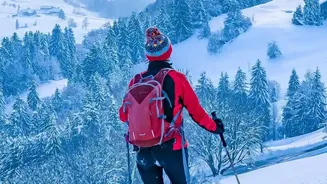
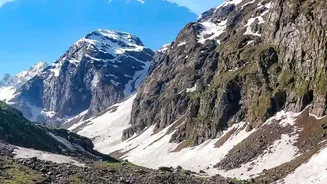
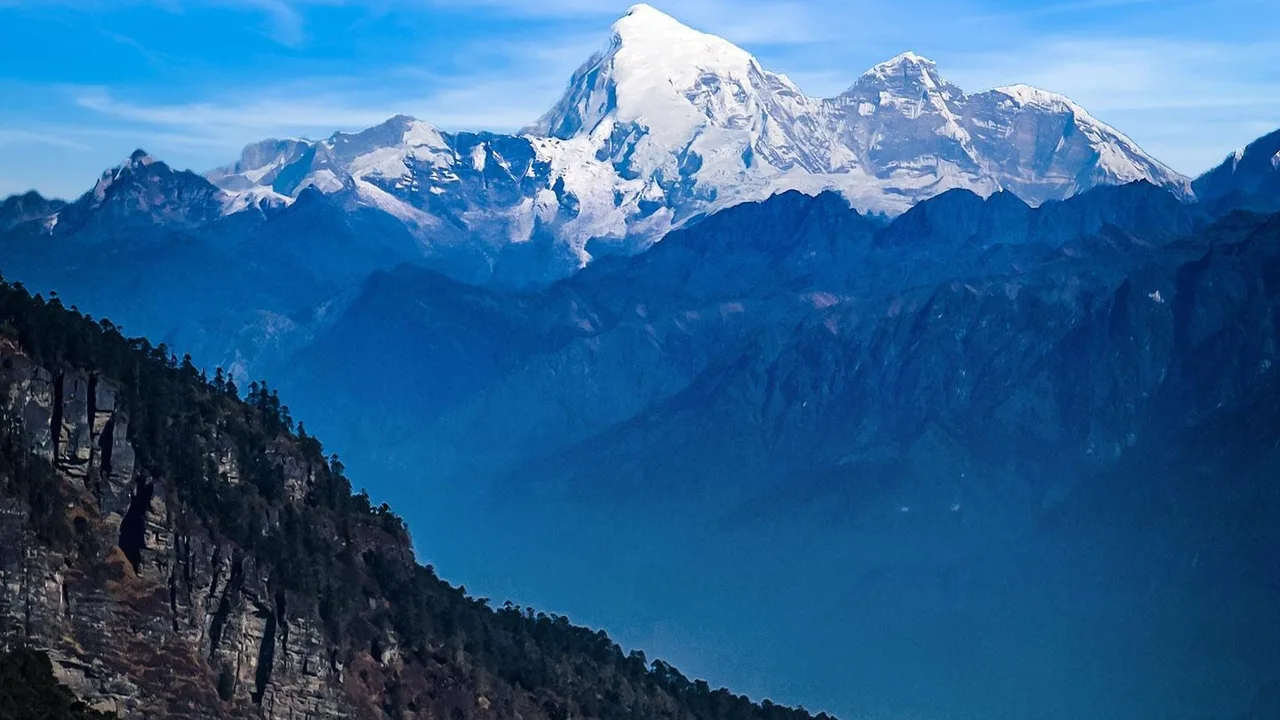
Often called the 'Mini Switzerland of India', Chopta Valley transforms into a pristine winter wonderland from December to February. This destination in the Garhwal Himalayas offers breathtaking panoramic views of snow-capped peaks like Trishul, Nanda
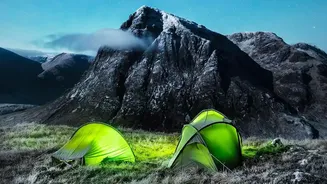
Devi, and Chaukhamba. The main draw for self-pitching campers is its accessibility and the relatively low cost. While numerous pre-set campsites operate here, costing between ₹1199 to ₹1899 per person, there are areas around the villages of Dogalbhita and Baniyakund where independent campers can find a spot, especially on the fringes of the Kedarnath Wildlife Sanctuary. For a truly budget trip, you can trek part of the way and find a suitable meadow. However, it's crucial to check with local authorities or guesthouses in Ukhimath for guidance on permissible camping zones and current conditions, as heavy snow can make trails challenging. Remember to carry all your supplies as local resources are scarce in the peak of winter.
Triund, Himachal Pradesh: A Classic Winter Trek
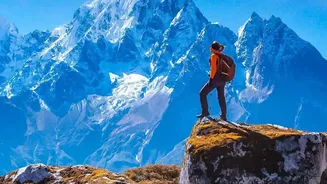
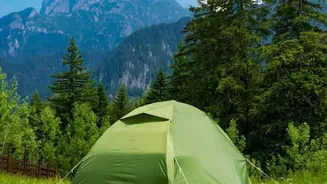
Triund is a classic beginner-friendly winter trek that offers some of the most rewarding views for the effort. Situated near McLeod Ganj, the ridge at the top provides a stunning, close-up vista of the Dhauladhar range. In winter, the trail and the campsite are often blanketed in snow, creating a magical setting. While camping was previously unrestricted, it is now regulated to preserve the fragile ecosystem. As of early 2026, a trekking permit of ₹100 per person and an overnight camping fee of ₹550 per tent are required. Many local operators in McLeod Ganj and Dharamkot can arrange these permits and rent out equipment. For the true budget, DIY traveler, you can handle the permit yourself and pitch your own tent in the designated areas. A DIY trip from Delhi can cost under ₹3000, covering transport and basic camping. The trail is well-marked but be prepared for limited facilities and a patchy mobile network.
Binsar Wildlife Sanctuary, Uttarakhand: A Hiker’s Paradise
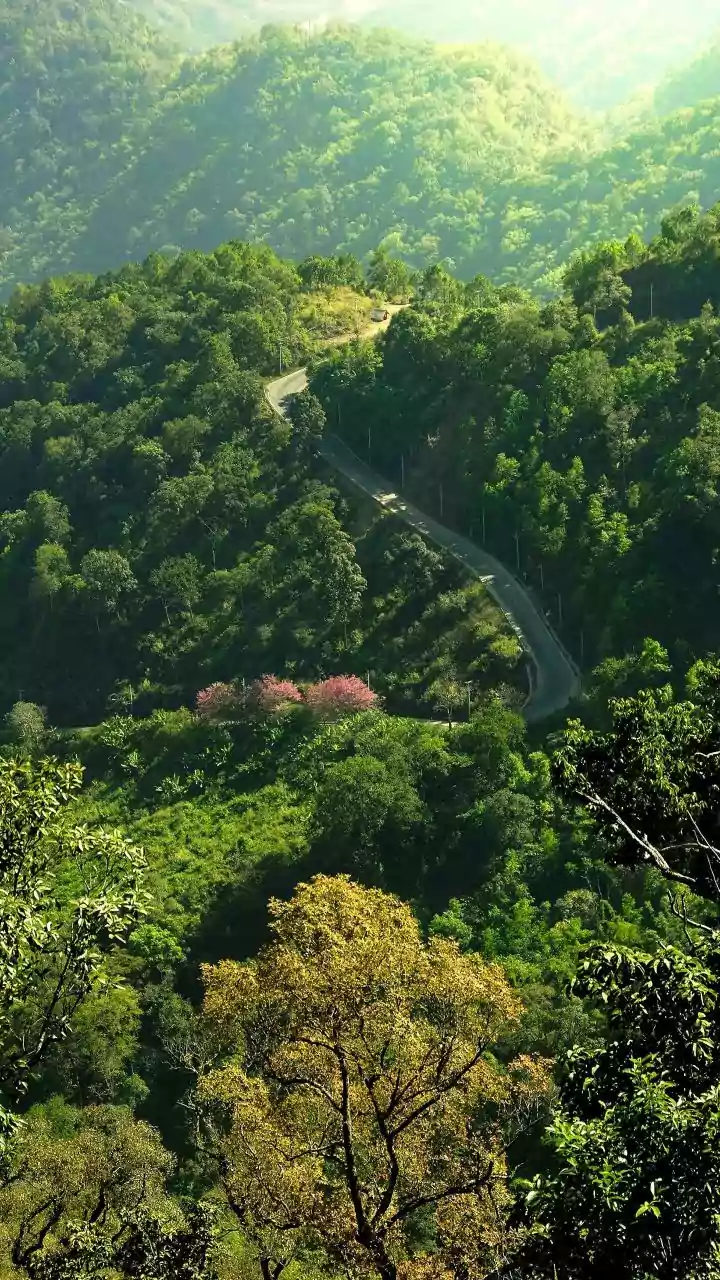
For those who prefer a forest setting over stark snowscapes, Binsar Wildlife Sanctuary in the Kumaon region is an excellent choice. The best time to visit is from October to March, when the weather is pleasant and the skies are clear, offering panoramic views of the Himalayas. The sanctuary is a haven for birdwatchers, with over 200 species. While there are eco-lodges and organised campsites, budget self-pitching is also possible. There are designated sites for camping, and it's essential to follow the 'Leave No Trace' principle. An entry fee of ₹150 for Indian nationals is applicable. You can find paid camping sites in the valley just outside the main sanctuary that allow you to pitch your own tent after booking. This offers a good balance of being close to nature while having access to basic amenities and adhering to park rules.
Sandhan Valley, Maharashtra: The Valley of Shadows
If your idea of a winter adventure involves more adrenaline than snow, Maharashtra's Sandhan Valley is the perfect destination. Known as the 'Grand Canyon of Maharashtra', this deep gorge in the Sahyadris offers a unique experience of trekking, rappelling, and camping. The winter months, from November to February, are the best time to visit, with cool, comfortable weather perfect for trekking and camping under the stars. Many local operators offer all-inclusive packages starting from around ₹1300-₹2700, which cover guides, food, rappelling, and permits. While these organised camps are common, the sheer expanse of the area and nearby spots like Bhandardara Lake offer opportunities for experienced self-sufficient campers. You will need to be entirely self-reliant with gear and food, and it’s advisable to inform local contacts of your plans due to the challenging terrain.
Anamudi Shola National Park, Kerala: High-Altitude Wilderness
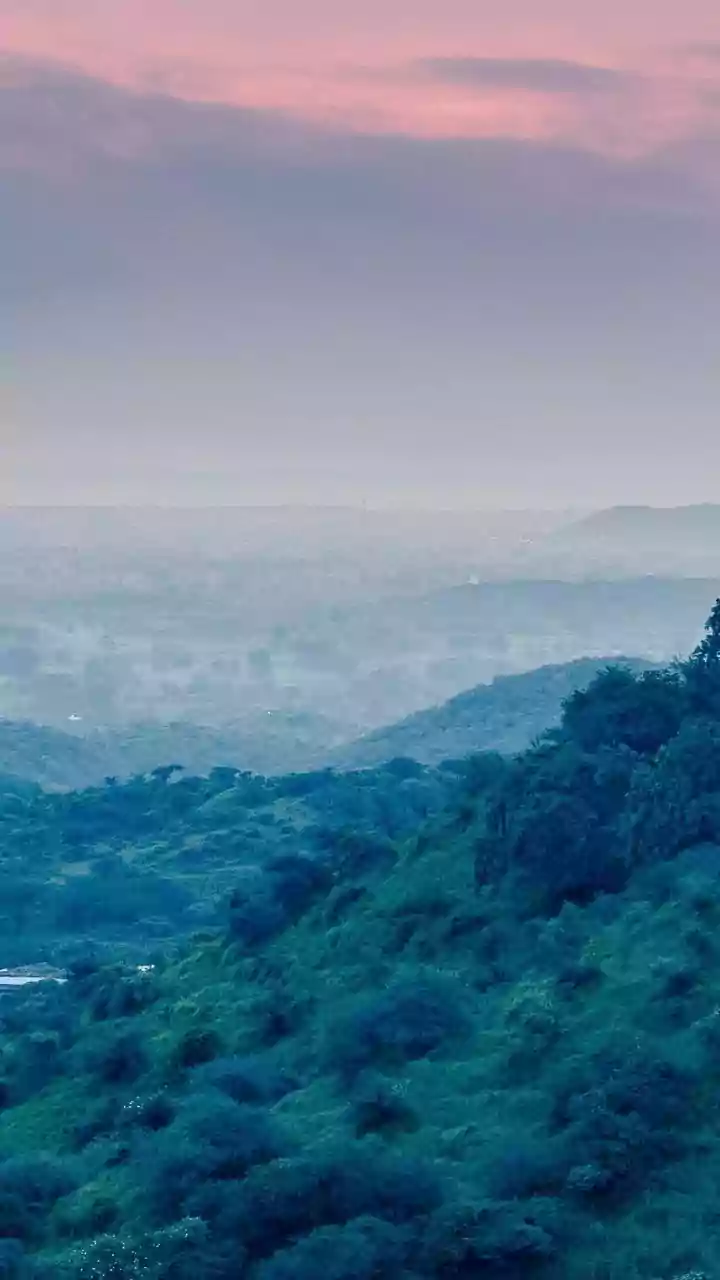
Winter camping isn't just for the Himalayas. The Western Ghats in Kerala offer a different kind of cold-weather charm. The Anamudi Shola National Park in Idukki district is a protected shola-grassland ecosystem with a cool, pleasant climate from September to March. While wild, self-pitched camping inside the core national park area is not permitted to protect the unique ecosystem, the Kerala Forest Department organises eco-tourism programs that include trekking and stays in log houses or designated tenting areas. This makes it a 'supported' self-pitching experience. The entry fee for Indian adults is around ₹125, and a guide is mandatory. For a more independent feel, areas surrounding the park in the Idukki and Munnar hills have private properties and smaller outfits that are more accommodating to travelers with their own gear. This allows you to enjoy the region's biodiversity while respecting the strict conservation rules of the national park itself.