




Meet Edible Landscaping
The trend that's capturing the hearts and plots of Indian gardeners is called ‘foodscaping,’ or edible landscaping. The concept is simple yet revolutionary: instead of keeping vegetables and herbs in a separate, hidden-away patch, foodscaping integrates
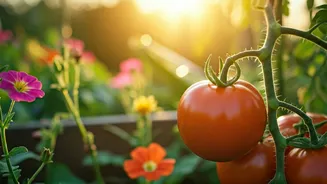
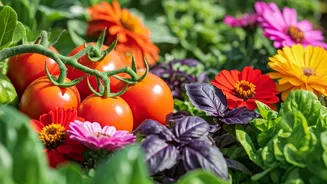
them directly into your ornamental garden beds. Imagine a hedge of vibrant karonda bushes, the silvery leaves of an artichoke plant used as a dramatic accent, or a colourful border of lettuce varieties and edible flowers like nasturtiums. It’s about designing a single, cohesive space that is both beautiful to look at and delicious to eat from. This approach erases the artificial line between ‘useful’ plants and ‘pretty’ plants, creating a landscape that nourishes both body and soul.
Why Is This Trend Taking Root Now?
Several factors are fuelling the rise of foodscaping. First is a growing desire for food security and transparency. In an era of rising grocery prices and concerns about pesticides, the ability to walk into your backyard and harvest fresh, organic produce is incredibly empowering. It provides a direct connection to the food we eat. The pandemic also played a significant role, renewing an interest in home-based hobbies and self-sufficiency. Many people discovered the therapeutic benefits of gardening, and foodscaping is the logical next step. It combines the stress-relieving act of nurturing plants with the practical reward of a harvest. Finally, there's a push towards sustainability. A foodscape can be more eco-friendly, attracting pollinators, reducing food miles to zero, and encouraging a deeper connection with nature’s cycles.
More Than Just Bhindi and Baingan
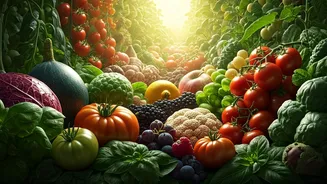
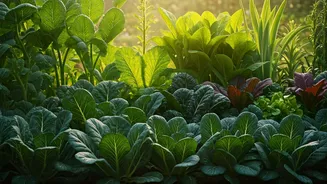
When people hear ‘edible garden,’ they often picture traditional rows of tomatoes and brinjals. Foodscaping blows that image out of the water by celebrating the immense aesthetic diversity of edible plants. Many vegetables and herbs are stunning in their own right. The deep purple stems of a brinjal plant, the bright red veins of 'Bright Lights' Swiss chard, or the feathery foliage of a fennel bulb can hold their own against any ornamental flower. Fruit is another major player. Instead of a standard ornamental hedge, why not plant a row of pomegranate or fig bushes? Dwarf citrus trees like lemons and limes thrive in pots on patios, providing fragrant blossoms and fresh fruit. Even climbing plants can be edible—think passion fruit vines or malabar spinach scrambling up a trellis, providing both shade and sustenance.
The Harvest of Benefits
The rewards of adopting a foodscape go far beyond a fresh salad. The most immediate benefit is taste. A tomato picked from the vine moments before being eaten has a flavour and sweetness that no store-bought version can match. There is also a significant cost saving over time. While there's an initial investment, a well-planned edible landscape can noticeably reduce your grocery bill, especially for fresh herbs and gourmet vegetables. Furthermore, it's an incredible educational tool for children, teaching them where food comes from in the most tangible way possible. By integrating a variety of flowering edibles, you also create a haven for bees, butterflies, and other vital pollinators, boosting the ecological health of your local environment.
How to Start Your Own Foodscape
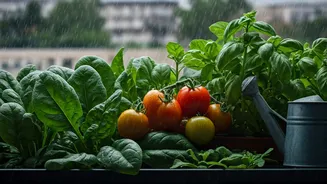
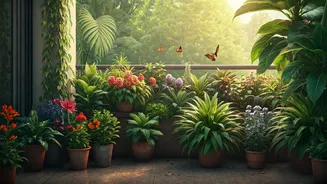
Getting started is easier than you might think. You don't need to overhaul your entire garden overnight. Start small. Identify a sunny spot in an existing flowerbed and tuck in a few herbs like mint and basil, or perhaps a few chilli plants. They'll blend in beautifully. If you're short on space, containers are your best friend. A pot of cherry tomatoes, a window box of lettuce, or a hanging basket of strawberries can be a great entry point. The key is to choose plants you genuinely love to eat. Observe your garden: see where the sun hits, understand your soil, and select plants that will thrive in your specific conditions. Mix them in with your existing ornamentals and watch how they complement each other, creating a garden that is truly alive with purpose.