



The Building Blocks of Fitness
Protein is made up of smaller compounds called amino acids. Think of them as individual beads on a string. Our bodies use 20 different amino acids to build everything from muscle tissue to hormones. While our bodies can produce 11 of these, there are
nine we cannot make ourselves; these are known as 'essential amino acids'. We must get these nine from our food. A food source that contains all nine essential amino acids in sufficient amounts is called a 'complete protein'. Animal products like meat, eggs, and dairy are naturally complete proteins. This is why they are often seen as the default choice for muscle-building, but they are far from the only option.
The Lentil's Amino Acid Gap
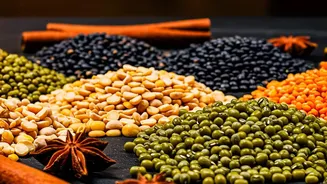
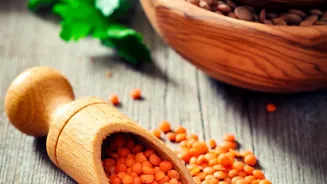
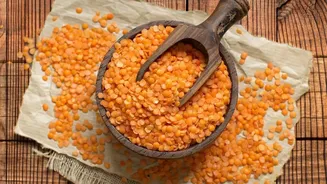
Lentils are a nutritional powerhouse for anyone with fitness goals. A single cooked cup packs around 18 grams of protein, an impressive amount for a plant food. They are also rich in fibre for digestive health, iron to fight fatigue, and folate for cell repair. However, by the strictest scientific definition, lentils are not a complete protein on their own. While they contain all nine essential amino acids, they are low in two specific ones: methionine and cysteine. Legumes in general are rich in the amino acid lysine but tend to be lower in methionine. This small gap is what makes them an 'incomplete' protein, but it's a problem with a very easy and delicious solution.
Rice and Seeds to the Rescue
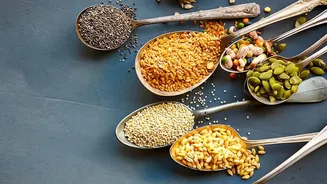
This is where the magic of food pairing comes in. Grains like rice and wheat, along with many nuts and seeds, have the exact opposite amino acid profile of lentils. They are typically low in lysine but high in the methionine and cysteine that lentils are missing. By pairing them together, you create a meal that provides all nine essential amino acids, effectively forming a complete protein. This isn't a new-age health trend; it's a principle that underpins many traditional cuisines around the world, from dal and rice in India to hummus and pita bread in the Middle East. These cultures perfected complete plant-based protein long before the term was even coined.
Your Plate, Perfected
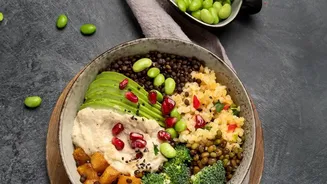
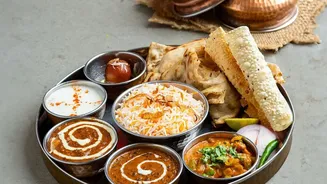
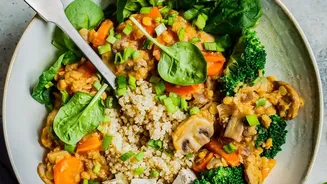
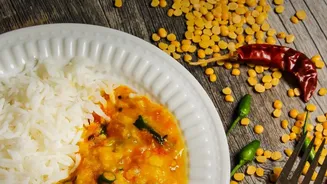
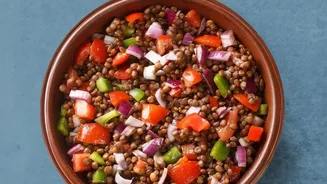
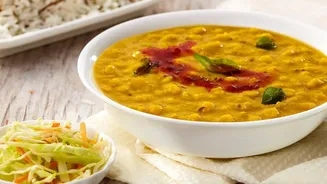
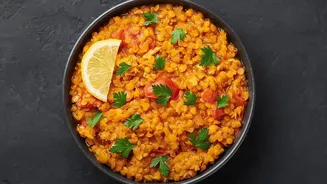
Putting this nutritional strategy into practice is simple and affordable. The most classic Indian example is dal chawal, a comforting and nutritionally brilliant combination of lentils and rice that has fueled generations. Other powerful pairings include a hearty lentil soup served with whole-grain bread, or a vibrant lentil salad sprinkled generously with pumpkin or sunflower seeds. Even quinoa, which is technically a seed and a rare plant-based complete protein on its own, can be paired with lentils for an extra-dense protein meal. These combinations ensure your body gets the full spectrum of amino acids it needs for muscle recovery and growth after a workout.
A Modern Take on Protein Combining
Decades ago, it was believed that you had to eat complementary proteins in the exact same meal to get the benefit. This theory has since been debunked. Nutrition science now understands that the body maintains a 'pool' of amino acids from which it can draw as needed. As long as you eat a varied diet that includes different plant protein sources—legumes, grains, nuts, and seeds—throughout the day, your body will have everything it needs to synthesize complete proteins. So, you don't have to stress about perfectly balancing every single plate. However, combining them in a single meal remains a simple and foolproof strategy to ensure you're covering all your bases, making it an excellent habit for those with specific fitness goals.