





The New Visa-Free Rule Explained
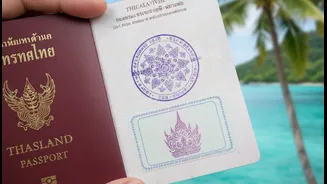
In a significant move on July 14, 2026, the Thai government confirmed it would continue to offer visa-free entry to Indian passport holders. However, there's a key change: the maximum duration of stay under this scheme has been adjusted to 30 days. Previously,
Indians enjoyed a longer 60-day visa-free period. This decision reverses earlier, more confusing proposals that suggested scrapping the visa-free facility altogether, which had caused a temporary dip in arrivals from India. The Thai cabinet approved the 30-day visa-exempt entry to better align with the typical travel patterns of Indian tourists and to provide clarity after a period of uncertainty. This new rule places India in a privileged group of nations with streamlined access, ensuring travel remains straightforward.
Why the Continued Focus on India?
Thailand's policy is a clear acknowledgement of India's crucial role in its tourism economy. Indian tourists are the third-largest group of visitors to Thailand in 2026, trailing only China and Malaysia. By early July 2026, over 1.23 million Indians had already visited the country. The economic contribution of Indian visitors is substantial; they are among the highest-spending tourists, often travelling in large family or wedding groups. The brief period of confusion in May, when it seemed visa-free travel might end, led to a nearly 20% drop in arrivals. This sharp decline served as a powerful reminder of how sensitive the market is to entry rules, prompting authorities to quickly clarify the policy and reinstate a favourable visa-free scheme to secure this vital flow of visitors.
What This Means for Your Travel Plans
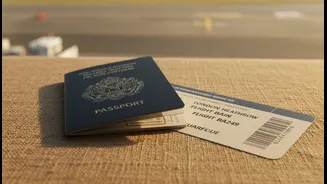
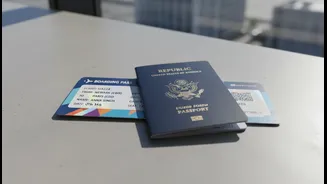
For the average Indian tourist, this is excellent news. The 30-day visa-free stay is more than sufficient for most holidays, as the average trip length for Indian visitors is around 7 to 15 days. The policy removes the hassle and cost associated with applying for a visa on arrival, which would have involved fees and paperwork. This makes spontaneous trips easier and reduces pre-travel stress. You can fly into Thailand, get a stamp on arrival, and begin your vacation without prior visa formalities. However, do keep in mind that while the visa is free, standard immigration checks still apply. It is always wise to carry supporting documents like a confirmed return ticket, hotel bookings, and potentially proof of sufficient funds, as authorities can request them.
A Balancing Act for Thai Tourism
This policy shift is part of a broader strategy by the Thai government to balance tourism promotion with national security. The previous, more expansive 60-day visa-free scheme for 93 countries was reportedly being reviewed due to concerns about misuse. The new, more controlled framework reduces the overall list of visa-exempt countries but specifically retains India with a generous 30-day stay. This indicates a targeted approach, aiming to attract high-value tourists from key markets while implementing stricter controls elsewhere. The government has also been strengthening its digital systems, like the Thailand Digital Arrival Card (TDAC), to better monitor foreign visitors.
Planning Your Thai Getaway
With the visa question settled, planning your trip is the next step. A 30-day window offers ample time to explore beyond the usual hotspots of Bangkok and Pattaya. Consider island hopping in Krabi, enjoying the beaches of Phuket, or exploring the cultural richness of Chiang Mai in the north. The new policy, which will officially take effect 15 days after its publication in the Royal Gazette, makes planning a multi-destination trip within Thailand much simpler. As always, it's a good practice to check the latest advisories from the Thai embassy or your airline before you travel to ensure you are up-to-date on any new requirements.