






Change Your Mindset: From Scarcity to Abundance
The biggest hurdle in healthy eating is often mental. Many diets are built on a 'scarcity mindset,' focusing on what you *can't* have. This leads to feelings of deprivation, guilt, and eventual burnout. Instead, adopt an 'abundance mindset'. Rather than
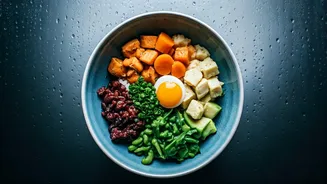
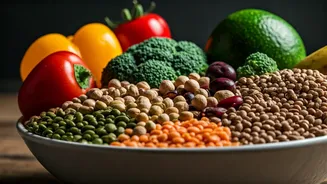
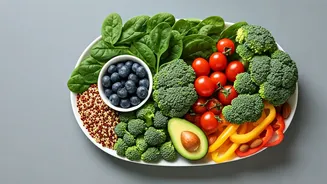
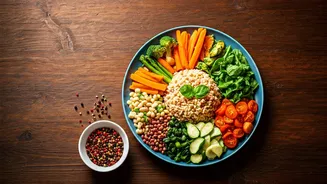
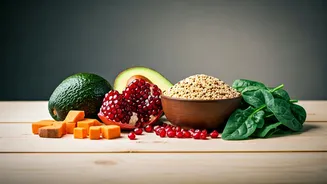
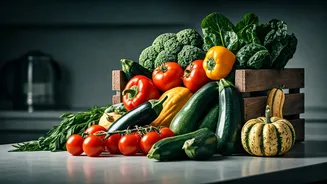
thinking about cutting foods out, focus on what you can add in. Think about adding more colourful vegetables, more fibre, more lean protein, and more variety to your plate. This approach reframes eating as an act of nourishment and self-care, not punishment. When you focus on eating foods that energize and make your body feel good, you naturally start building positive, lasting habits. The goal isn't to be perfect; it's to make choices that are both satisfying and nourishing.
Embrace the 80/20 Rule for Balance
A sustainable approach to eating doesn't demand 100% perfection. The 80/20 rule is a lifestyle approach, not a strict diet. It suggests eating nutritious, whole foods 80% of the time and leaving the other 20% for treats and indulgences. This flexibility is key to long-term success because it prevents the 'yo-yo effect' where extreme restriction leads to bingeing. Planning your 80% around nutrient-dense foods like lean proteins, whole grains, fruits, and vegetables keeps your body fuelled and satisfied. The 20% allows you to enjoy a piece of cake at a birthday party or a weekend treat without guilt. This balanced approach helps you maintain a healthy relationship with food, viewing it as a source of both nourishment and pleasure.
Add, Don't Just Subtract
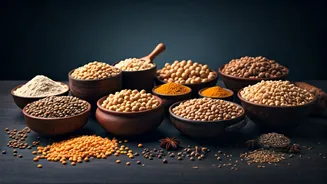
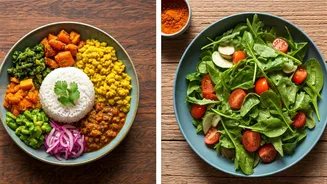
Instead of compiling a long list of forbidden foods, concentrate on adding more nutrient-dense options to your existing meals. These are foods high in vitamins, minerals, fibre, and protein relative to their calorie content. Examples include leafy greens, berries, nuts, seeds, lean meats, and whole grains like brown rice and millets. Nutrient-dense foods help you feel full for longer, manage weight, and reduce the risk of chronic diseases. For instance, instead of banning your favourite breakfast cereal, try adding a scoop of Greek yogurt for protein and a handful of berries for fibre. In Indian cuisine, this could mean adding more vegetables to your curries, swapping white rice for brown rice or millets, or ensuring a side of dal for extra protein and fibre. This 'addition' strategy enriches your diet without making you feel like you're missing out.
Practice Mindful Eating
Often, restriction isn't about the food itself, but how we eat it. Mindless eating, done while distracted by screens or stress, leads us to ignore our body's natural hunger and fullness cues. Mindful eating is the practice of paying full attention to the experience of eating. This involves eating slowly, chewing thoroughly, and engaging all your senses to notice the tastes, textures, and smells of your food. Before eating, ask yourself: Am I truly hungry, or am I bored or stressed? This practice helps you reconnect with your body's signals, preventing overeating and fostering a greater appreciation for your meals. It also helps reduce food-related guilt by allowing you to consciously enjoy every bite, whether it's a slice of apple or a piece of chocolate.
Make Healthy Swaps Without Sacrificing Flavour
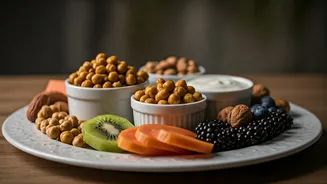
Healthy eating doesn't have to be bland. Many traditional Indian dishes can be made healthier with a few simple swaps. For example, instead of deep-frying snacks like samosas or pakoras, try baking or air-frying them. Swap refined white flour (maida) for whole wheat or multigrain flour in rotis and parathas. Use yogurt or tomato-based gravies instead of heavy, cream-based ones for curries like butter chicken. Opt for healthier cooking oils and replace sugary drinks with infused water or coconut water. For snacks, roasted chana (chickpeas) or makhana (fox nuts) are excellent, fibre-rich alternatives to packaged chips. These small changes can significantly boost the nutritional value of your meals while preserving the rich flavours you love.