



The Soaring Cost of Sweet Traditions
This festive season, the sweetness of celebration comes with a higher price tag. Across India, home kitchens are feeling the pinch as the cost of essential ingredients for traditional sweets has surged. Key items like sugar, desi ghee, milk, and dry fruits
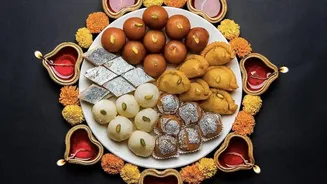
have all seen significant price hikes. According to recent reports, sugar prices have climbed sharply due to lower production estimates and strong pre-festival demand from bulk buyers. Milk prices have also risen, directly impacting the cost of homemade khoya and paneer-based sweets. The story is similar for dry fruits, with the prices of almonds and pistachios skyrocketing, partly due to supply chain disruptions. This inflation means that the cost of preparing beloved classics like ladoos, barfis, and halwas at home has noticeably increased, forcing families to take a closer look at their festive budgets.
To Make or to Buy: A Modern Dilemma
The rising ingredient costs have sparked a debate in many households: is it still more economical to make sweets at home? Traditionally, homemade mithai is valued for its superior quality, hygiene, and the love baked into it. However, with raw material costs on the rise, some are finding that buying sweets from local shops might be a more budget-friendly option, especially for smaller quantities. Sweet shop owners themselves are grappling with increased production costs, with some attributing a 10-15% rise in sweet prices to pricier sugar, milk, and ghee. This leaves consumers in a tough spot, weighing the guaranteed quality and tradition of homemade sweets against the potential convenience and controlled costs of store-bought alternatives. The decision often comes down to a household's priorities—be it budget, tradition, or time.
The Art of Smart Substitutions
Indian home cooks are nothing if not resourceful. In response to the price hikes, many are turning to clever and creative substitutions to keep their festive traditions alive without breaking the bank. Jaggery and dates are being used more frequently as natural and often more affordable sweeteners in place of refined sugar. In recipes for barfis and ladoos, expensive nuts like pistachios and almonds are being used more sparingly as a garnish, while more affordable options like cashews, coconut, or melon seeds are used in the base. Some are even experimenting with healthier alternatives that have become popular, such as oat-based or fruit-and-nut ladoos that rely on the natural sweetness of their ingredients, reducing the need for costly sugar and ghee. These adjustments are not just about saving money; they represent a creative evolution of classic recipes.
Adjusting the Scale of Celebration
Another common strategy for managing costs is to adjust the variety and quantity of sweets prepared. Some families are choosing to focus on making one or two signature sweets in larger batches, rather than the sprawling variety of previous years. This approach helps streamline the shopping list and reduce waste. Conversely, other households are opting for variety over volume. They might prepare small quantities of five or six different types of mithai, ensuring the symbolic presence of each traditional treat on the festive platter, even if the total amount is less. This allows them to preserve the diversity of their culinary heritage while keeping ingredient costs manageable. The choice between 'depth' and 'breadth' of the sweets menu is a personal one, reflecting how different families prioritise their festive customs.
Holding on to Heritage, No Matter the Cost
Despite the financial pressures, for many families, the act of making festive sweets at home is a non-negotiable ritual. It is a tradition passed down through generations, a way to bond with family, and an expression of love. The process itself—the conversations in the kitchen, the familiar aromas filling the house, and the joy of sharing the finished product—is often as important as the sweets themselves. For these households, the increased cost is a burden to be borne, not a reason to abandon tradition. They may cut back on other expenses, but the annual mithai-making marathon remains untouched. This dedication highlights the deep cultural and emotional significance of these culinary practices, proving that the spirit of the festival often outweighs the numbers on a grocery bill.