

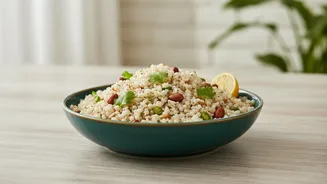
1. Kuttu ka Cheela (Buckwheat Pancake)
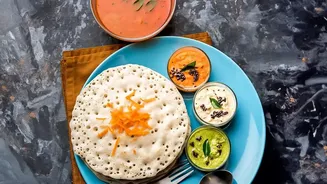
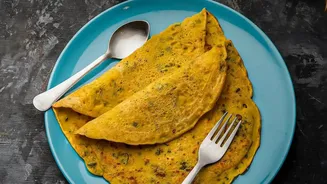
A perfect savoury alternative to deep-fried puris, the Kuttu ka Cheela is both light and filling. Kuttu (buckwheat flour) is a vrat staple, packed with nutrients that provide sustained energy. To make these, you create a batter using kuttu ka atta, sendha
namak (rock salt), and spices like cumin and black pepper. You can make it a plain, crisp pancake or add grated bottle gourd (lauki) or mashed boiled potatoes to the batter for a softer texture and added nutrition. The batter should have a smooth, pourable consistency, similar to a regular dosa. Cook it on a hot tawa with a little ghee until golden brown and crisp on both sides. Serve it hot with a side of plain curd or a simple vrat-friendly mint or coconut chutney for a wholesome start to your day.
2. Samak Ke Chawal ka Dhokla (Barnyard Millet Cake)
If you crave something fluffy and steamed, look no further than Samak ke Chawal ka Dhokla. Samak rice, or barnyard millet, is a fantastic grain substitute permitted during fasts. It’s light on the stomach and incredibly versatile. To prepare the dhokla, soaked samak rice is ground into a paste, which is then often mixed with sour curd to help with fermentation and flavour. The batter is seasoned with green chilli, ginger, and sendha namak before being steamed until it’s light and spongy. A simple tempering of cumin seeds and curry leaves (if your tradition allows) in ghee poured over the top elevates the dish. This dhokla is a fantastic way to enjoy a popular snack in a completely vrat-compliant way, offering a delightful texture that’s a world away from the usual fried foods.
3. Rajgira Paratha (Amaranth Flour Flatbread)
For those who miss the comfort of a hearty paratha for breakfast, the Rajgira Paratha is an excellent solution. Rajgira, or amaranth flour, is gluten-free and a powerhouse of protein and minerals. The dough can be tricky to handle as it lacks elasticity, so boiled and mashed potatoes or arbi (colocasia) are commonly used as a binding agent. This not only makes the dough easier to roll but also results in soft, delicious parathas. Simply mix the rajgira atta with mashed potato, sendha namak, chopped green chillies, and fresh coriander. Knead it into a soft dough, roll it out carefully, and cook on a tawa with ghee. These parathas are incredibly satisfying and pair perfectly with a simple lauki sabzi or a bowl of fresh, creamy curd.
4. Makhana and Nut Mix
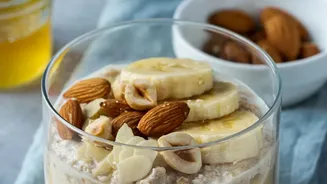
When you need a breakfast that is quick, requires minimal cooking, and is still incredibly energising, a bowl of roasted makhana (fox nuts) with nuts is the answer. Makhana is a fasting superfood; it's light, rich in protein and calcium, and keeps you full for a long time. To prepare this, simply dry roast a cup of makhana in a pan with a teaspoon of ghee until they are crisp. Once they cool, toss them with a handful of your favourite vrat-friendly nuts like almonds and walnuts. For a touch of sweetness, you can drizzle a little honey. If you prefer a savoury version, just sprinkle some sendha namak and black pepper over the roasted makhana. This crunchy, nutrient-dense mix can be prepared in minutes and serves as a perfect, guilt-free breakfast to munch on.
5. Sweet Potato Chaat
Add a burst of flavour to your morning with a warm and tangy Sweet Potato Chaat. Sweet potatoes (shakarkandi) are a permitted vegetable during Sawan vrat and offer a healthier, fibre-rich alternative to regular potatoes. Start by boiling or roasting the sweet potatoes until they are tender. Once they cool down slightly, peel and chop them into cubes. In a bowl, toss the sweet potato cubes with roasted peanuts for crunch, finely chopped green chillies for a bit of heat, and a generous squeeze of lemon juice for tanginess. Season it with sendha namak and a pinch of roasted cumin powder. Garnish with fresh coriander leaves, and you have a breakfast that is sweet, savoury, tangy, and completely refreshing.