







Working with Your Body's Clock
The science of meal timing, known as chrononutrition, suggests that our bodies are best equipped to handle food during daylight hours. This is all thanks to our circadian rhythm, the internal 24-hour clock that governs everything from sleep to digestion.
Research shows that our digestive system is at its peak performance around midday. During this time, our metabolism is more efficient, insulin sensitivity is higher, and the production of digestive enzymes is at its strongest. This makes lunch the ideal time to consume your largest, most nutrient-dense meal, as your body is primed to break it down effectively and absorb the maximum nutrients.
Easing the Burn of Acid Reflux
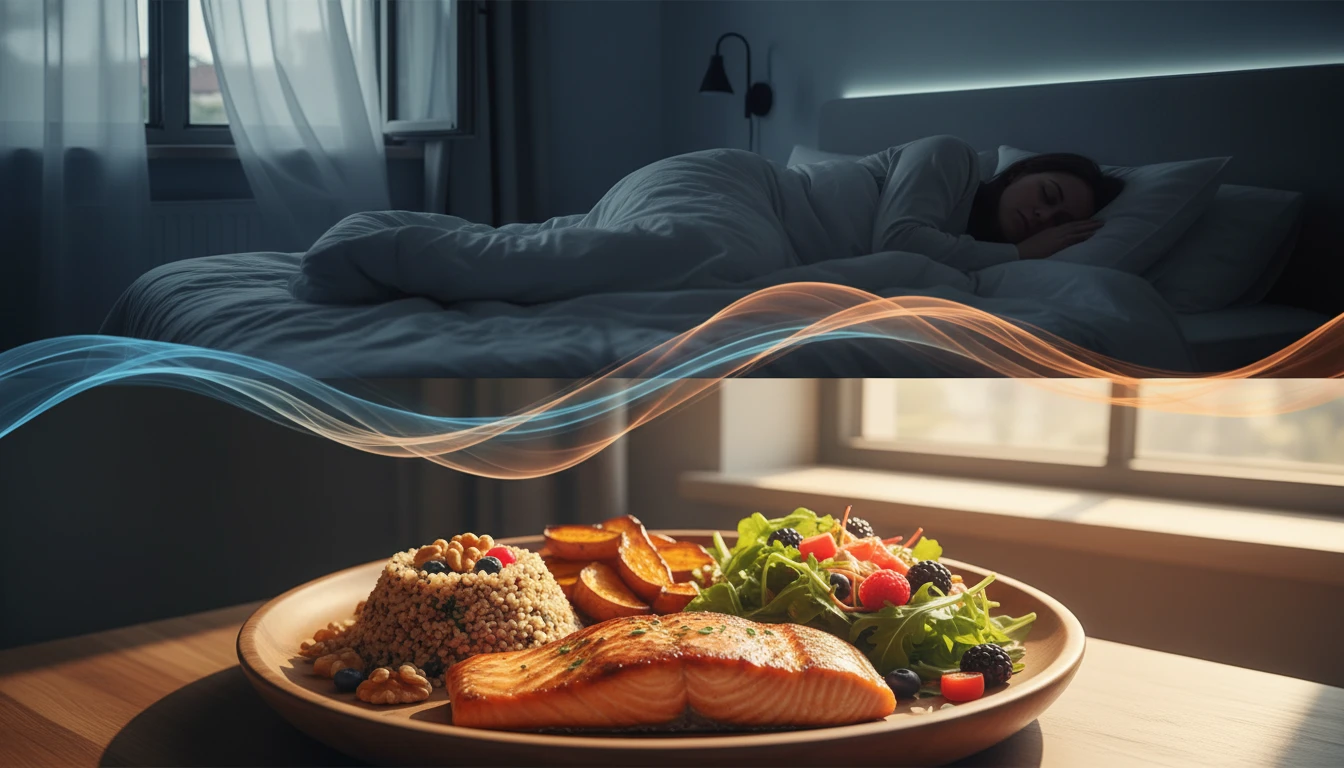
Acid reflux, that familiar burning sensation, often occurs when stomach acid flows back into the esophagus. A heavy dinner, especially when eaten close to bedtime, is a major culprit. When you lie down with a full stomach, gravity is no longer on your side, making it easier for acid to travel upward. By shifting your main meal to midday, you give your body ample time—at least three to four hours—to digest before you go to sleep. A larger lunch and a lighter, earlier dinner reduces the pressure on your lower esophageal sphincter, the valve that keeps acid in the stomach, thereby decreasing the likelihood of nighttime heartburn and discomfort.
Cultivating a Healthier Gut
Your gut is home to trillions of microbes that also follow a daily rhythm. Eating in sync with your body's clock helps maintain a stable and diverse gut microbiome, which is crucial for overall health. When you eat your largest meal at midday, you provide fuel when your digestive system is most efficient. This leads to better breakdown and absorption of food, which in turn supports a healthier environment for your beneficial gut bacteria. Irregular eating patterns and late-night meals can disrupt this delicate ecosystem, potentially leading to issues like bloating, gas, and inflammation. Consistent meal timing, centred around a substantial lunch, helps regulate this internal environment.
Ancient Wisdom Meets Modern Science
The concept of a large midday meal is not new. Traditional systems of medicine like Ayurveda have long advocated for it. In Ayurveda, the digestive fire, known as 'Agni', is considered strongest between 10 a.m. and 2 p.m., aligning with the Pitta dosha time of day. This ancient wisdom recommended eating the main meal during this window to ensure optimal digestion and prevent the buildup of toxins. Today, modern science is validating these principles, showing a clear link between meal timing, metabolic health, and digestive wellness.
How to Make the Switch
Transitioning to a larger lunch doesn't have to be complicated. Start by gradually increasing the size of your midday meal while making your dinner smaller and simpler. Focus on a balanced lunch that includes lean protein, complex carbohydrates, healthy fats, and plenty of vegetables to keep you satiated. For dinner, think of lighter options like soups, salads, or steamed vegetables. It can also help to plan ahead, perhaps by preparing your lunch the night before to avoid grabbing something quick and unsatisfying during a busy day. This shift can not only improve your digestion but may also lead to better energy levels throughout the afternoon and a more restful night's sleep.