







Understanding the 'Visa-Free' Label
First, it's crucial to understand the terminology. 'Visa-free' or 'visa exemption' means you do not need to apply for a visa beforehand; you simply get a stamp on arrival, usually for a specific duration. 'Visa on Arrival' (VoA) means you still get a visa at the airport,
but you'll need to fill out forms, provide documents, and often pay a fee. An 'e-visa' is an online application you must complete before you travel. Each has different rules. For instance, Malaysia offers 30-day visa-free entry for Indians until the end of 2026, but requires a mandatory online Malaysia Digital Arrival Card (MDAC) to be filled out before arrival.
Your Document Checklist Is Still Crucial
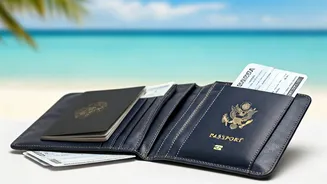
Even without a visa application, immigration officers have the right to ask for several documents. The most common requirement is a passport with at least six months of validity from your date of entry. Many travellers get caught out by this rule. Another non-negotiable item is a confirmed return or onward flight ticket. This proves your intention to leave the country within the permitted timeframe. Be prepared to show proof of accommodation, such as hotel bookings for at least the first few nights of your stay. Having printouts or digital copies of these documents ready can prevent major headaches at the immigration counter.
Proving You Can Afford Your Trip
A surprising number of travellers are unaware that many countries require proof of sufficient funds for the duration of their stay. This is to ensure you will not become a financial burden. The required amount varies by country. For example, to enter Thailand, you may be asked to show proof of 10,000 to 20,000 THB per person. This proof can be in the form of cash, a recent bank statement, or a credit card with an adequate limit. Relying solely on UPI or a single debit card is risky; it is always wise to carry a mix of local currency, a forex card, and at least one internationally accepted credit card.
Don't Forget Health and Insurance
Travel insurance is not just a good idea; it's mandatory for entry into some countries. It protects you from massive costs related to medical emergencies, trip cancellations, or lost baggage. Beyond insurance, check if your destination requires any specific vaccinations. Countries in Africa or South America, for example, might require a Yellow Fever vaccination certificate for entry. Also, it's always practical to carry a basic first-aid kit with any prescription medications you need, along with the doctor's prescription, as some medicines may be restricted abroad.
Mind the Fine Print
Visa-free policies often come with specific conditions. For example, the privilege might only apply if you enter through certain international airports, not land borders. The permitted duration of stay is strict—whether it's 15, 30, or 60 days—and overstaying can lead to fines or future travel bans. Also, these visa waivers are almost always for tourism purposes only. Engaging in business or work is typically prohibited and can lead to serious consequences. Finally, visa rules can and do change with little notice. What was a visa-free country last month might have reverted to a visa-on-arrival system.