


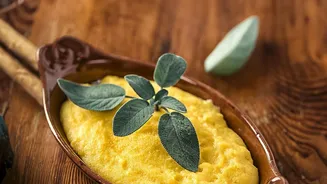
1. The Classic: Creamy Parmesan Polenta
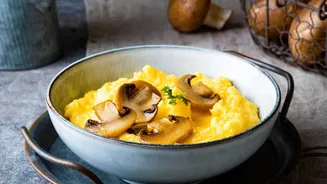
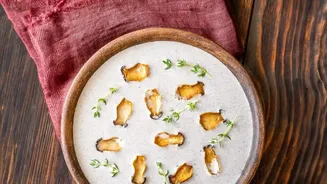
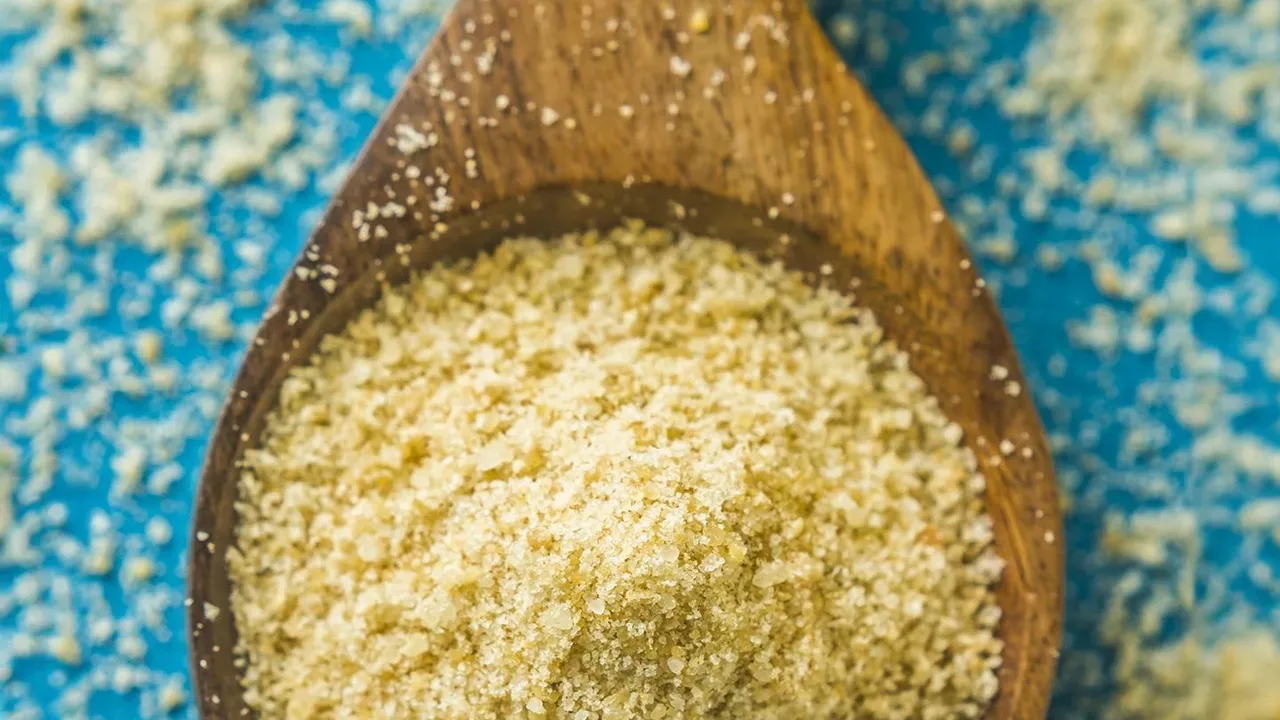
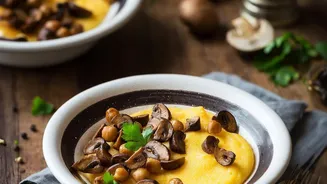
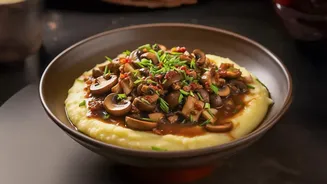
This is the foundational dish that everyone should master. Think of it as the Italian equivalent of creamy mashed potatoes, but with the sunny taste of corn. To achieve a luxurious texture, slowly whisk cornmeal into a simmering broth or milk, stirring
until it becomes thick and lump-free. The key is patience. A traditional polenta can take up to 45 minutes of gentle cooking, though quicker-cooking versions are available. Once the polenta is tender and has lost its grainy taste, the magic happens. Stir in a generous amount of butter and freshly grated Parmesan cheese until it melts into a smooth, savoury porridge. Season with salt and pepper, and you have a perfect base for stews, braised meats, or roasted vegetables.
2. The Snack: Crispy Baked Polenta Fries
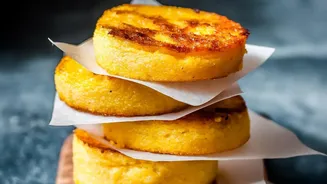
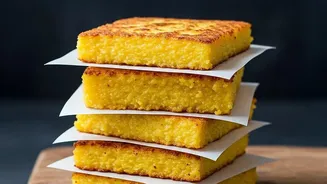
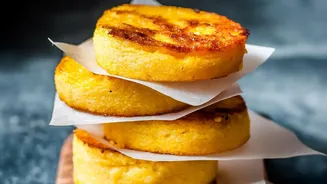
For a fun and addictive twist, turn polenta into fries. This method works best with polenta that has been cooked, spread onto a baking sheet, and chilled until completely firm. This can be done a day ahead. Once set, you can slice the firm polenta into fry-shaped batons. Toss these 'fries' in a bowl with olive oil, herbs like rosemary or oregano, and perhaps a sprinkle of garlic powder and paprika. Arrange them in a single layer on a baking sheet to ensure they get crispy on all sides. Bake in a hot oven for about 30-40 minutes, flipping them halfway through, until they are golden brown and crunchy on the outside but remain soft and creamy on the inside. Serve them immediately with a spicy aioli or your favourite dipping sauce for a fantastic appetiser or side dish.
3. The Centrepiece: Layered Polenta Casserole
Polenta can also form the structure of a hearty main course, like a gluten-free alternative to lasagna. Once cooked and firm, slices of polenta can be layered in a baking dish just as you would with pasta sheets. A classic approach involves layering the polenta slices with a rich meat or vegetable ragu and mozzarella cheese. Start with a layer of polenta, spoon over your sauce, add a layer of cheese, and repeat. Other delicious fillings include sautéed mushrooms, spinach, and butternut squash. A final sprinkle of Parmesan on top before baking ensures a golden, bubbly crust. Bake for about 30-40 minutes until everything is hot and the cheese is beautifully melted. It's a deeply comforting dish perfect for a family meal.
4. The Sweet Start: Breakfast Polenta with Fruit
Why limit polenta to lunch and dinner? It makes a wonderful, warming breakfast porridge. The method is similar to making creamy polenta, but with a few sweet adjustments. Cook the cornmeal with milk or a mix of milk and water for a creamier result. While it simmers, instead of cheese and pepper, you'll add sweeteners like maple syrup or honey and flavourings such as vanilla extract or a cinnamon stick. Once the polenta is cooked to a soft, porridge-like consistency, it becomes a canvas for countless toppings. Spoon it into bowls and top with fresh berries, sautéed plums and pears, toasted nuts, or dried fruit for a wholesome and satisfying start to your day.
5. The Surprise: Orange and Almond Polenta Cake
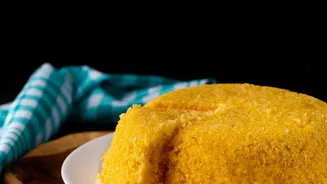
Perhaps the most surprising transformation is when polenta is used in baking. An Orange and Almond Polenta Cake is a classic gluten-free dessert that is moist, fragrant, and utterly delicious. In this preparation, fine polenta is combined with ground almonds, which provide moisture and a rich structure. Many recipes call for using whole, boiled oranges that are pureed, adding an intense and complex citrus flavour that balances the sweetness. The polenta gives the cake a tender, slightly crumbly texture and a beautiful golden colour. Often, the cake is soaked in a citrus-infused syrup after baking, making it incredibly moist and flavourful. It’s an elegant dessert that showcases the incredible range of this simple cornmeal.