


More Than a Sweet Celebration
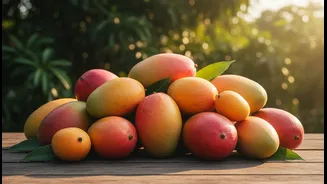
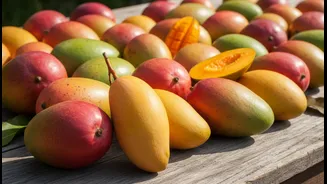
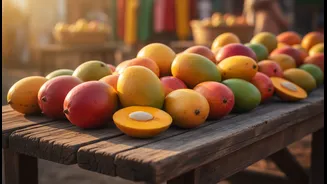
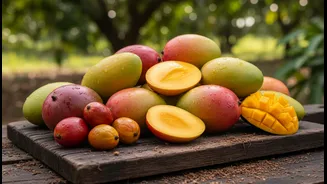
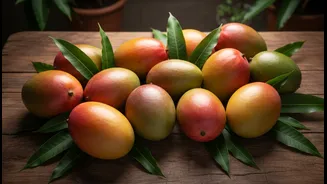
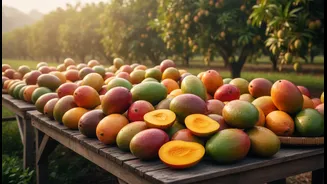
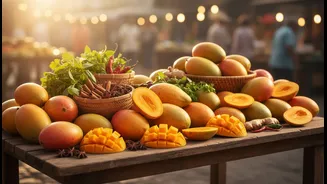
For many, mango festivals are a highlight of the summer, offering a sensory overload of taste, smell, and colour. Events like the International Mango Festival in Delhi have been a tradition for decades, showcasing hundreds of varieties, from the beloved
Alphonso to rare local gems. These festivals serve as a platform for farmers to display their produce, for chefs to demonstrate the fruit's versatility, and for the public to celebrate a fruit deeply embedded in Indian culture as a symbol of joy and prosperity. They are, at their heart, a celebration of India's immense agricultural and culinary diversity.
A Harvest of Anxiety
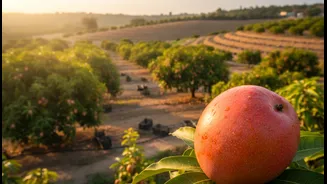
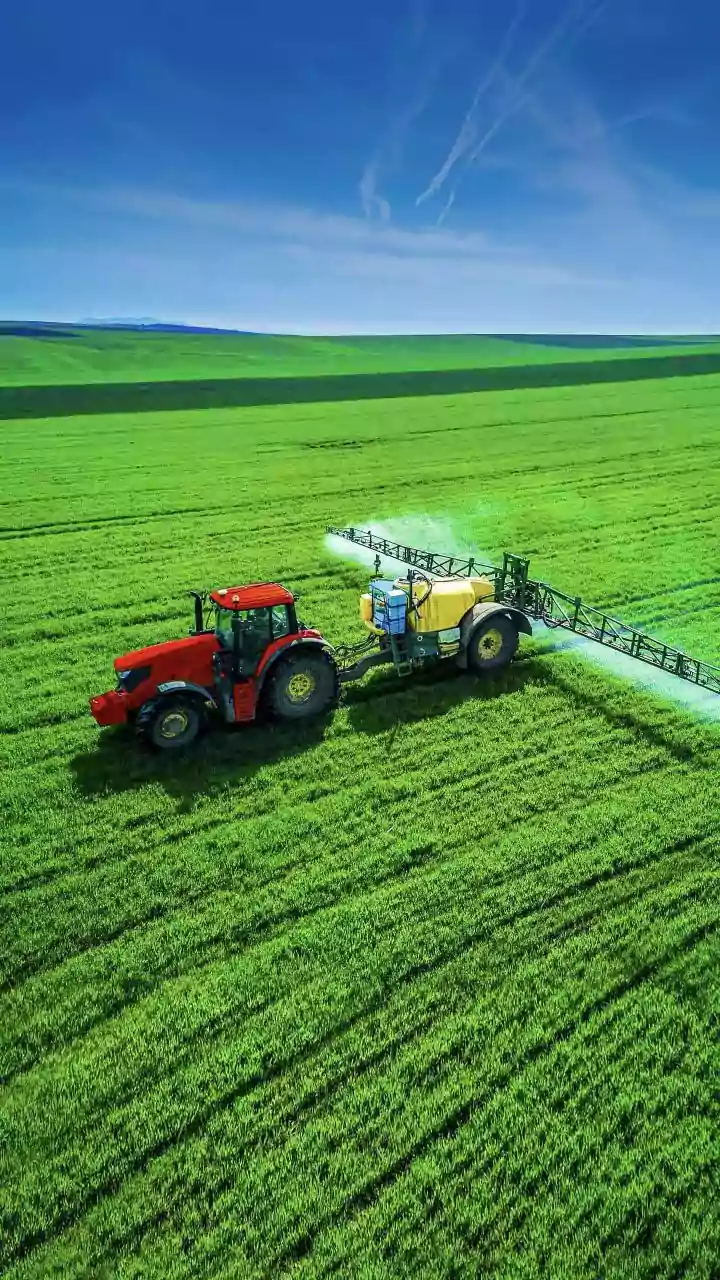
Beneath the joyful surface, however, a serious threat is growing. Climate change is disrupting the delicate environmental cycle that mangoes depend on. Erratic weather, including unseasonal rains, fluctuating temperatures, and intense heatwaves, is leading to devastating consequences for farmers. A rise of just 1°C during the fruit's maturing phase can reduce yields by as much as 11%. Across India's mango belts, like Malihabad in Uttar Pradesh, growers report declining production, smaller fruits, and an alarming increase in pests and diseases, forcing a greater reliance on costly chemicals.
The Promise of Resilient Farming
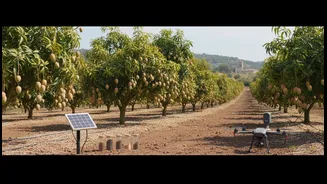
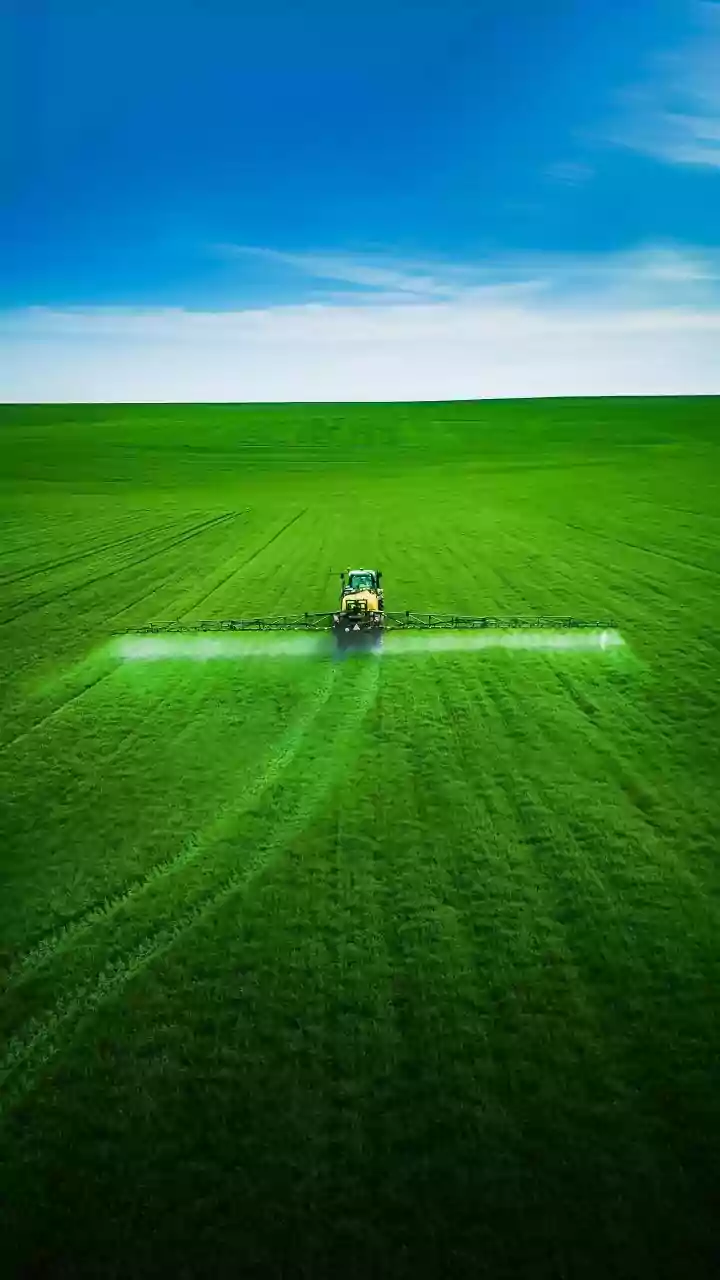
The answer to this crisis may lie in climate-resilient agriculture. This approach involves a variety of techniques designed to make farms more adaptable to environmental stress. For mango cultivation, this could mean adopting practices like integrated pest management to reduce chemical use, better water conservation through methods like drip irrigation, and promoting agroforestry by intercropping mango trees with other crops. Crucially, it also involves rediscovering and propagating native or heirloom mango varieties that are naturally more tolerant to local abiotic stresses like drought.
A Platform for Change
This is where mango festivals could play a revolutionary role. By moving beyond being just a marketplace, they can become powerful platforms for education and advocacy. Imagine dedicated stalls showcasing farmers who use climate-smart techniques, allowing them to connect directly with consumers willing to support sustainable practices. Workshops and talks could bridge the knowledge gap between agricultural scientists, farmers, and the public, creating a community-powered push for change. Festivals can create demand for sustainably grown fruit and reward the farmers who are leading the way.
Saving Our Culinary Heritage
The focus on a few commercial varieties has already led to the disappearance of many traditional mangoes, and climate change is accelerating this loss. Each time a variety vanishes, we also lose the unique culinary traditions associated with it—from specific pickles and chutneys to cooling summer dals and curries like mambazham pulisseri. Mango festivals can become living libraries of this heritage. By championing and popularising rare and heirloom varieties, they can create a market for them, incentivising farmers to continue their conservation. Cooking demonstrations could reintroduce forgotten recipes, ensuring this delicious heritage is passed down.