





The Checked Bag Burden
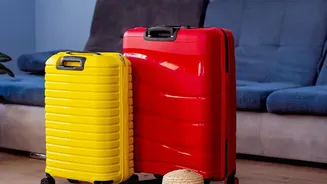
For any traveller, especially on a short four-day trip, the decision to check a bag can feel like a defeat. It’s not just the extra time spent waiting at the baggage carousel upon arrival; it’s the cost. Most domestic airlines in India have a standard
check-in allowance of 15 kg for economy fares, but the cabin baggage allowance is typically a strict 7 kg. Going over that carry-on limit forces you to check your bag, incurring fees that can add up quickly. It’s a common travel headache that turns a quick getaway into a more cumbersome and expensive affair. The goal for any savvy traveller is to move quickly and lightly, and that starts with conquering the carry-on.
Meet Your New Travel Ally
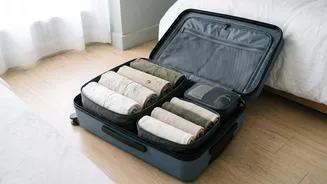
Enter the compression packing cube, a simple yet revolutionary tool for maximising luggage space. Unlike a regular packing cube, which primarily serves to organise your clothes, a compression cube has a special feature: a second zipper. Here’s how it works: you fill the cube with your clothes, close the main zipper to seal it, and then zip up the second, outer zipper. This outer zipper runs around the circumference of the cube and, when closed, mechanically squeezes the cube, forcing out excess air and reducing the overall volume of the contents. It's not a vacuum seal that requires a pump; it's a simple, travel-friendly mechanical press.
The Art of Shrinking Your Wardrobe
Compression cubes work best on soft, bulky items that contain a lot of air. Think about a fleece jacket, a chunky sweater, or a pair of jeans. When packed loosely, these items trap a significant amount of air, taking up precious real estate in your suitcase. By compressing them, you can significantly reduce their volume, often by 30% or more. To maximise their effectiveness, it’s best to tightly roll your clothes before placing them inside the cube. This not only helps in compressing them further but also can help minimise wrinkles on certain fabrics. Once rolled and placed inside, zip up the main compartment and then slowly close the compression zipper, pressing down on the cube as you go to help expel the air.
A Four-Day Carry-On Game Plan
For a typical four-day trip, your packing can be surprisingly streamlined. Start by sorting your clothes into categories. Use one medium-sized compression cube for your bulkiest items: one pair of trousers or jeans, and perhaps a light jacket or sweater. Use a second, smaller cube for your tops—four shirts or t-shirts should fit comfortably. A third, extra-small cube can hold your underwear, socks, and sleepwear. By categorising and compressing, you create dense, organised blocks that can be arranged like a game of Tetris inside your carry-on bag, leaving ample room for a toiletries kit, shoes, and any electronics.
The Golden Rule: Watch the Weight
This is the most critical point to remember: compression cubes reduce volume, not weight. While your bag will look less full, it will weigh exactly the same. Indian domestic airlines are famously strict about their 7 kg carry-on weight limit. A beautifully packed, compressed carry-on that weighs 9 kg will still get you stopped at the gate and forced to check it. Before you leave for the airport, always weigh your packed carry-on bag. The magic of compression cubes is that they free up space, allowing you to potentially use a smaller, lighter bag, which helps you stay under the weight limit. Don’t fall into the trap of using the extra space to pack more things.
More Than Just a Space-Saver
Beyond avoiding fees, these cubes bring a sense of order to your travels. Your suitcase becomes a tidy, mobile dresser. Arriving at your hotel, you no longer need to rummage through a chaotic pile of clothes to find a fresh shirt. You simply pull out the relevant cube. They are also perfect for quarantining dirty laundry on the return journey, keeping it separate from any clean clothes you have left. This level of organisation reduces stress and makes both packing and unpacking a faster, more pleasant experience.