







A Cultural Spectacle Amidst Mountains
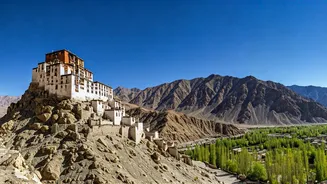
Every year, the courtyard of Hemis Gompa, the largest and wealthiest monastery in Ladakh, transforms into a riot of colour, sound, and sacred movement. The Hemis Festival, scheduled for June 16th and 17th this year, is a two-day extravaganza dedicated
to Guru Padmasambhava (also known as Guru Rinpoche), the eighth-century Buddhist master credited with introducing Tantric Buddhism to Tibet. For travellers, it’s more than just a vibrant event; it’s an immersive cultural experience. The air thrums with the sound of long horns, cymbals, and drums as monks perform ancient rituals, drawing thousands of devotees and tourists from across the globe to this high-altitude desert.
The Soul of the Festival: Cham Dances
The centrepiece of the Hemis Festival is the 'Cham', a series of sacred masked dances. Performed by the monastery's resident monks, these are not mere entertainment. Each dance is a profound form of meditation and a moral lesson, depicting the triumph of good over evil. The dancers don elaborate silk costumes and intricately carved, sometimes fearsome, masks representing various deities and demons from Buddhist lore. Their slow, deliberate movements are a living prayer, believed to cleanse the spirit and protect the land. Watching the Cham against the backdrop of the rugged mountains is a hypnotic experience, a visual storytelling tradition that has remained unchanged for centuries.
The Monastery: A Treasure Trove of History
Beyond the festival, Hemis Monastery itself is a destination worth exploring. Founded in the 17th century, its prayer halls are adorned with stunning frescoes, golden statues, and a vast collection of ancient thangkas (Tibetan Buddhist paintings on cotton or silk). While the festival is the main draw, visitors should take time to wander through the monastery's quiet corridors and visit its museum, which houses a remarkable collection of artefacts. The monastery is also famous for a gigantic thangka of Guru Padmasambhava that is unfurled only once every 12 years during the 'Naropa' festival. While this won't happen this year, the legacy of this grand tradition permeates the entire complex.
Planning Your Journey to the Top of the World
Visiting Ladakh requires careful planning, especially when it comes to altitude. Leh, the main town, sits at over 11,500 feet. The golden rule is acclimatisation. Upon arriving by flight, you must rest for at least 24-48 hours before engaging in any strenuous activity. Drink plenty of water and avoid alcohol to help your body adjust. June is an ideal month to visit as the weather is pleasant and most mountain passes, including the famous Khardung La, are open. Hemis Monastery is about 45 kilometres from Leh, easily accessible by a scenic taxi ride. It's wise to book your accommodation in Leh well in advance, as the festival is a peak tourist event.
Essential Tips for Festival Goers
To make the most of your visit, arrive at the monastery early to secure a good viewing spot, as the courtyard fills up quickly. Remember that this is a sacred religious event; dress modestly, covering your shoulders and knees, and be respectful when taking photographs. Ask for permission before taking close-up shots of monks or devotees. The sun at high altitudes can be harsh, so carry sunscreen, sunglasses, and a hat. While there are small stalls selling snacks and tea, packing your own water and some light food is a good idea. Finally, absorb the atmosphere. The festival is a powerful sensory experience—let the chants, music, and vibrant pageantry transport you.