






The Science of Everyday Movement
NEAT stands for Non-Exercise Activity Thermogenesis, a term for the energy your body uses for everything that isn't formal exercise, eating, or sleeping. It covers a vast range of activities, from the walk to your car and the trip up the stairs to fidgeting
at your desk, doing laundry, or even playing with your dog. While each individual movement seems trivial, their cumulative effect is significant. Researchers have found that the difference in daily calories burned through NEAT can vary by up to 2,000 calories between two people of similar size, largely due to occupation and lifestyle choices. This hidden calorie burn is a powerful tool against the health risks of a sedentary life.
Why Your Desk Job Is a NEAT Killer
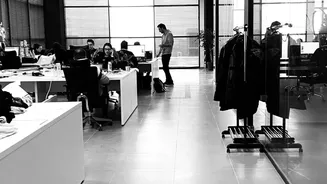
The modern professional environment, dominated by screens and chairs, is a primary culprit in the decline of daily movement. Studies have shown that people with sedentary jobs burn far fewer calories than those in more active roles. In fact, one study noted that obese individuals tend to sit for about 2.5 hours more per day than their leaner counterparts, who stood or walked more. This prolonged sitting doesn't just reduce your calorie expenditure; it's linked to a host of health issues, including poor circulation and metabolic problems, even for people who exercise regularly. Actively increasing your NEAT helps counteract these negative effects by breaking up long periods of inactivity and keeping your body in motion.
Integrate NEAT Into Your Workday
Boosting your NEAT doesn’t require a major life overhaul. The key is to transform sedentary moments into opportunities for movement. Start by investing in a sit-stand capable desk, which allows you to alternate between sitting and standing. Simply standing burns more calories than sitting; a 145-pound person burns about 174 calories per hour standing at their desk, compared to 102 calories while sitting. Another effective strategy is the 'walking meeting'. Instead of gathering in a conference room, take your phone calls or one-on-one discussions on the move. Even small habits, like using a smaller water bottle to force more trips to the cooler or always taking the stairs, add up significantly over a week.
Beyond the Office Walls
Your opportunities for NEAT extend well beyond your 9-to-5. Simple household chores are a great source of low-intensity activity. Tasks like vacuuming, doing laundry, washing the car, or light gardening can burn over 100-200 calories per hour. Instead of driving to a nearby store, walk or cycle if possible. When you do drive, park farther away from the entrance to get in extra steps. Cooking your own meals instead of ordering takeout also contributes, from the energy spent shopping for groceries to standing and moving around in the kitchen. Even leisure time can be active—try pacing while you talk on the phone or standing and stretching during TV commercials.
NEAT vs. The Gym: A Realistic View
So, can these small movements truly replace a dedicated gym session? The answer is nuanced. NEAT is incredibly effective for increasing overall daily calorie burn and combatting a sedentary lifestyle. For pure weight management, it can be a more significant factor than formal exercise for some people. However, NEAT doesn't provide the same cardiovascular and strength-building benefits as structured workouts like running or lifting weights. Experts view NEAT not as a direct replacement, but as a crucial supplement. For the incredibly busy professional, a high-NEAT lifestyle is a fantastic and sustainable foundation for health. When you can’t make it to the gym, maximizing NEAT is your best strategy. When you can, combining both yields the greatest results.