
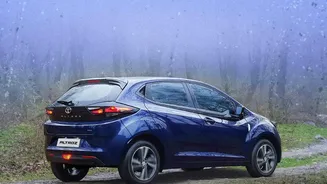
The Allure of a Monsoon Drive
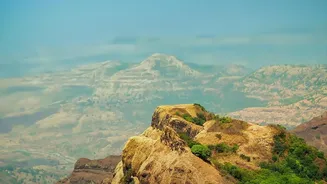
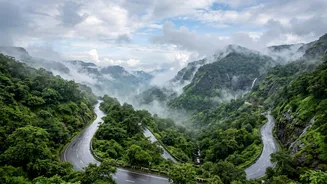
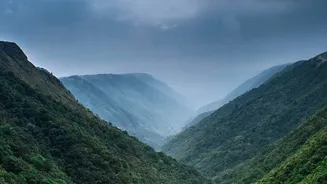
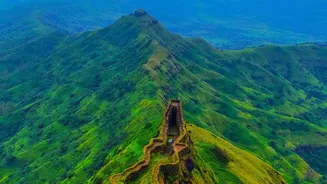
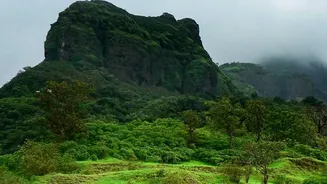
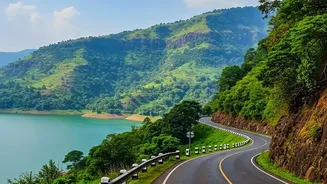
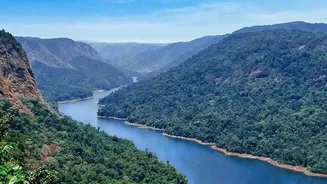
Driving in the Western Ghats during monsoon is an experience in itself. The landscape transforms, with hills wrapped in vibrant green, and waterfalls appearing unexpectedly around winding corners. This route, from the plains surrounding Satara to the misty
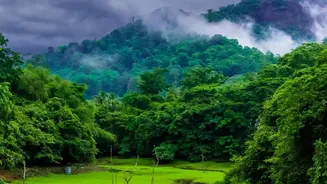
heights of Mahabaleshwar, offers a front-row seat to nature's most dramatic seasonal show. While many tourists might avoid the rains, this is when the region's beauty is truly amplified, offering a cool, foggy, and lush green environment. The journey becomes less about the destination and more about the ever-changing scenery of mist-covered valleys and the earthy scent of rain-soaked soil.
Charting Your Course: Pune to Satara
For most travellers, the journey begins from Pune or Mumbai. The drive to Satara, approximately 110-120 km from Pune, is straightforward via the NH48 highway. Once you branch off towards Satara, the scenery begins to shift. Satara serves as the perfect gateway to a cluster of monsoon-specific attractions that are best explored before ascending to Mahabaleshwar. Plan to spend some time exploring the area around Satara city, which acts as a base for some of the region's most spectacular natural wonders.
Satara's Monsoon Marvels
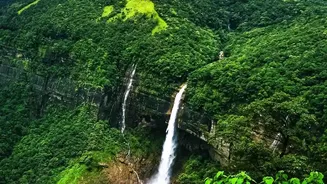
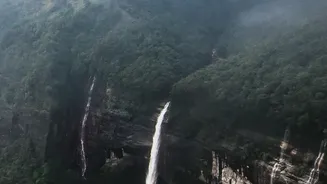
Your first major stop should be the Thoseghar Waterfalls, located about 20-26 km from Satara city. It is a series of cascades, with the tallest plunging from nearly 200 metres, making it one of the highest in Maharashtra. The falls are at their most powerful and spectacular from July to November, and a well-maintained viewing platform allows for safe viewing. Nearby, the Kaas Plateau (Kaas Pathar), a UNESCO World Natural Heritage Site, is a must-visit. While the main flowering season peaks from late August into October, the plateau is a stunning expanse of green throughout the monsoon. Check the official dates for the 2026 season, as they can shift based on monsoon patterns, with entry often regulated to protect the fragile ecosystem.
The Ascent to Mahabaleshwar
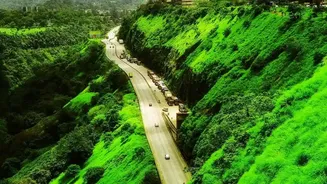
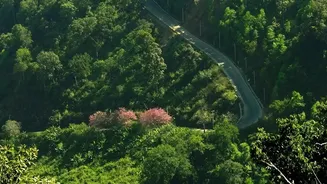
The drive from Satara to Mahabaleshwar is where the road trip truly becomes scenic. You can take the main highway via Wai and Panchgani or explore quieter, more secluded village roads for a more immersive experience. The climb through the ghats is filled with hairpin bends, panoramic valley views, and roads often enveloped in thick fog. Numerous small, unnamed waterfalls cascade down the hillsides, offering countless opportunities to stop and soak in the atmosphere. The twin hill station of Panchgani, with its famous Table Land plateau, is a worthy stop along the way.
Exploring Misty Mahabaleshwar
Mahabaleshwar transforms into a different world during the monsoon. While some viewpoints might be obscured by fog, the mist itself creates a mystical atmosphere. Key spots like Arthur's Seat, Wilson Point (the highest point in town), and Elephant's Head Point offer dramatic, moody views of the valleys below. The rain feeds stunning waterfalls like Lingmala and Dhobi Waterfall, which are at their fullest during this season. A visit to Venna Lake for a boat ride can be particularly atmospheric on a day with light rain. Even a simple drive around town becomes an activity, with the weather constantly shifting.
Essential Monsoon Driving Tips
Driving in the ghats during heavy rain requires caution. Before you start, ensure your vehicle's tyres, brakes, and wipers are in excellent condition. Visibility can drop to near-zero in fog and downpours, so drive slowly, use low-beam headlights, and maintain a safe distance from the vehicle ahead. Be wary of slippery roads and avoid crossing streams of water if you can't gauge the depth. It's advisable to avoid driving after dark. Always check local weather alerts and road conditions before and during your trip, as landslides can cause temporary closures on ghat roads.