




Why Mismatched Photos Hurt Your Business
A guest books a 'Sea View Deluxe' room expecting to wake up to ocean waves but instead gets a view of the hotel car park. This is more than a minor disappointment; it's a breach of trust that directly impacts your bottom line. Mismatched photos are a leading
cause of negative reviews, which can deter future bookings. When a guest's reality doesn't align with the expectations set by your photos, they feel misled. This 'expectation gap' breeds dissatisfaction, even if the room itself is perfectly fine. In the digital marketplace, your photos are your promise. Breaking that promise not only leads to demands for refunds but also erodes the credibility and perceived value of your property, pushing potential customers toward competitors whose listings appear more honest.
The Core Principle: Linking Categories to Features
The solution is to move beyond generic photo management and adopt a feature-based approach. Don't just have a folder of 'Deluxe Room' photos. Instead, create a system that pairs each specific room category with its defining visual features. A 'Garden View Twin' is different from a 'Pool View King'. Your photo library must reflect this. This process begins with a clear audit of your room inventory and their unique selling points. For each category—Standard, Deluxe, Suite—list the key differentiators that guests see and value. The most crucial of these are often the view from the window and the amenities in the bathroom. These two elements frequently play a significant role in a guest's booking decision.
Auditing Your Windows: Views, Light, and Space
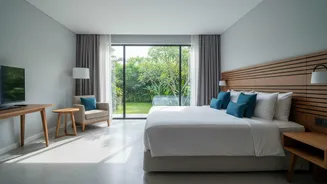
The window is a room's connection to the outside world, influencing its light, ambiance, and perceived value. A study by Expedia found that consumers were more likely to purchase rooms that displayed natural light and views. When checking your photos, ask specific questions. Does the photo for the 'City View' category actually show the city skyline, or is it an ambiguous shot of a building opposite? Is the quality of natural light accurately represented, or has editing made the room seem unnaturally bright? Your check should confirm that the photo assigned to a room category precisely matches the view a guest will have. If you have rooms in the same category with significantly different views (e.g., one faces the garden, another the street), you should either create sub-categories or use captions to set clear expectations.
Bathrooms: The Deciding Factor for Many Guests
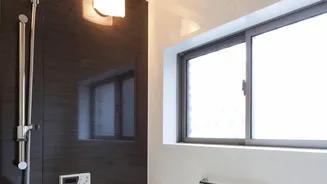
For many travelers, the bathroom is a sanctuary and a key indicator of a hotel's quality and cleanliness. It's often one of the most scrutinized areas in online photos. A common mistake is using a photo of a newly renovated bathroom with a rain shower for all rooms in a category, when some still have older bathtub-shower combinations. This is a recipe for complaints. Your photo audit must be meticulous here. For each room type, verify that the bathroom photo is a true representation. Check for fixtures, tile work, size, and key features like a bathtub, walk-in shower, or dual vanities. If you've upgraded bathrooms in some rooms but not others within the same category, you must use different photos and descriptions to avoid misleading guests. Accuracy in bathroom photography builds immense trust.
Creating a Photo Checklist System
To implement this effectively, create a simple but robust checklist for your marketing or operations team. This can be a spreadsheet that lists every room category. For each category, have columns for 'Window View' and 'Bathroom Type'. Beside these, add a link to the corresponding, approved master photograph. When uploading images to your website or Online Travel Agency (OTA) platforms, this checklist becomes your source of truth. It ensures that the person managing your listings uses the correct photo for the correct room type. Schedule a biannual audit to ensure photos remain up to date, especially after any renovations. This systematic approach removes guesswork, reduces human error, and ensures that the visual story you tell online is one your guests will actually experience when they walk through the door.