



The Universe Within Us
For years, the wellness world has been abuzz with talk of the gut microbiome: the trillions of bacteria, fungi, and other microbes living in our digestive tracts. We've learned that this internal ecosystem doesn't just help with digestion; it's linked
to our immune system, mood, and risk for chronic illnesses like diabetes and heart disease. The ultimate promise has been that of personalized nutrition—the idea that by understanding your specific gut microbes, you could craft the perfect diet for optimal health. It's a tantalizing prospect that has fueled a market for home testing kits and probiotic supplements, all aimed at 'feeding' the good bugs. But the science has struggled to keep up with the hype, largely because of the sheer complexity involved. Every person's microbiome is unique, and pinning down which foods help which microbes has been a monumental challenge.
A Study of Unprecedented Scale
This is where a landmark international research effort, known as the PREDICT 1 study, comes in. Instead of looking at a few dozen or hundred people, researchers gathered an enormous amount of data from over 1,100 participants in the U.S. and U.K. They didn't just ask people what they ate; they analyzed their gut microbiomes through fecal samples, tracked their precise metabolic responses to food, and measured hundreds of blood markers. This scale is what makes the study so powerful. It allowed scientists to move beyond small, often contradictory findings and identify broad, consistent patterns in the relationship between diet, microbes, and health across a large population. It provides the most detailed map yet of this complex territory, confirming that what we eat profoundly shapes our inner world.
Connecting Food and Microbes
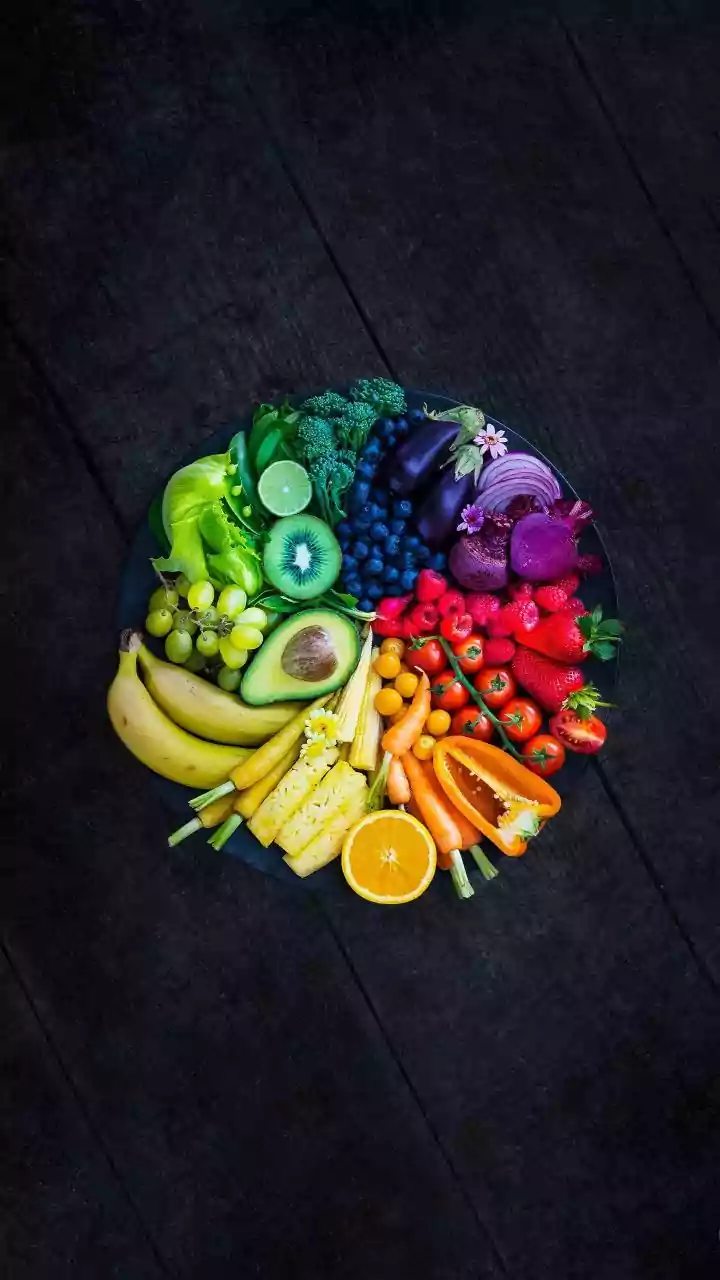
The study's findings reinforced some things we already suspected and revealed some surprises. Diets rich in a variety of plant-based foods were strongly associated with a diverse microbiome populated by 'good' microbes—those linked to lower inflammation and better blood sugar control. Conversely, diets high in processed foods and unhealthy fats were linked to 'bad' microbes associated with a higher risk for obesity and heart disease. The researchers were able to identify 15 specific microbes linked to good health outcomes and 15 linked to poor ones. For instance, having more of a microbe called Prevotella copri was associated with healthier blood sugar levels after a meal. Crucially, the study showed that the microbiome's composition was a better predictor of some health markers than even a person's genetics.
The 'Personalized' Puzzle
So, if scientists can identify 'good' and 'bad' microbes, can't they just tell us what to eat? This is where the headline's caveat—'Not a Ready-Made Meal Plan'—is critical. While the study found strong correlations, the system is incredibly complex. A food that encourages a 'good' microbe in one person might not have the same effect in another due to the thousands of other variables at play in their gut. The researchers themselves caution against oversimplifying the results. As Professor Tim Spector, one of the study's leaders, explains, "When you eat, you're not just nourishing your body, you're feeding the trillions of microbes that live inside your gut." Feeding that ecosystem isn't as simple as following a recipe. It's about providing a wide variety of quality ingredients, like different types of fiber from many plant sources, and letting the ecosystem thrive. The study gives us the big-picture rules—eat diverse plants, avoid processed junk—but the personalized, minute-to-minute instructions are still out of reach.
The Future on Your Plate
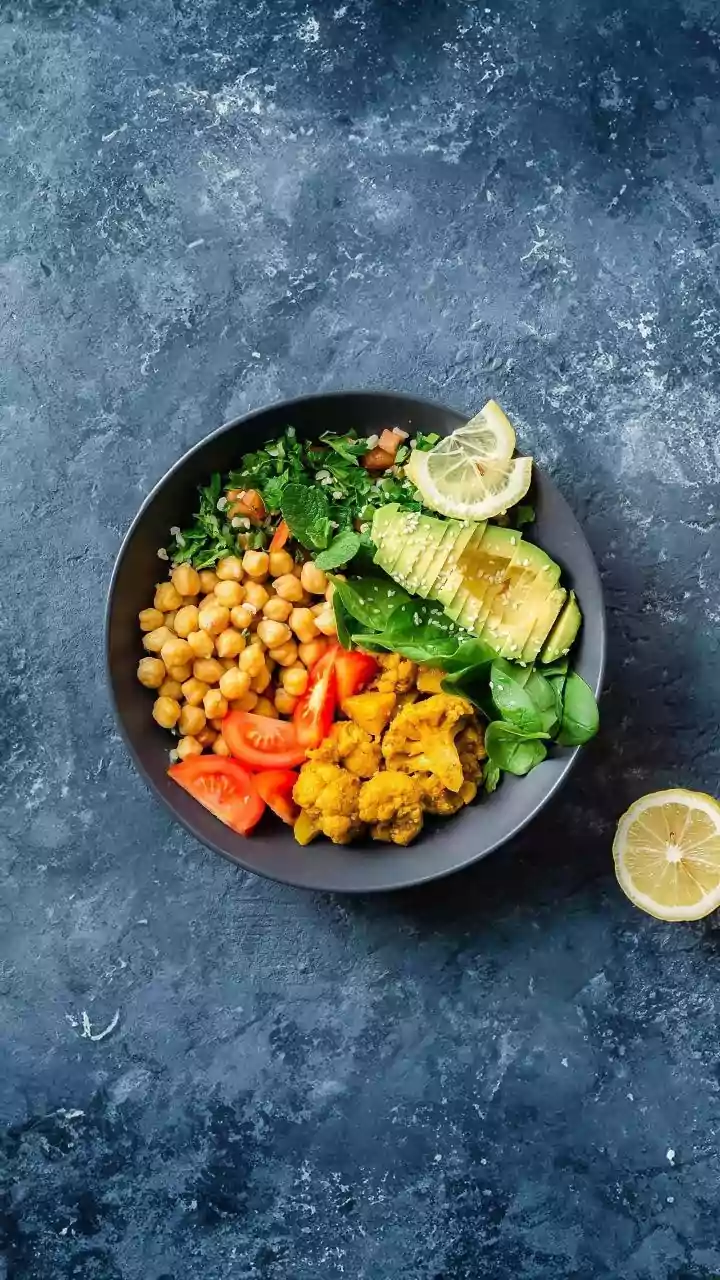
The PREDICT study doesn't deliver a personalized diet plan, but it builds the foundation upon which those plans will one day be built. By creating this massive dataset, researchers can now use machine learning and AI to dig deeper, looking for more subtle patterns that could lead to truly individual advice. Future research will likely focus on how to shift our microbiomes in a targeted way. Other studies have already shown that specific interventions, like a diet rich in fermented foods such as yogurt and kimchi, can increase microbial diversity and lower inflammation. For now, the most practical advice from this mountain of data is refreshingly simple and doesn't require an expensive test. The best way to cultivate a healthy gut microbiome is to focus on dietary diversity. That means eating a wide range of fruits, vegetables, whole grains, and legumes—aiming for variety in the plants you eat each week. This approach provides the different fibers and nutrients that support a robust and resilient community of microbes.