



Not All Wool Is Created Equal
The key to avoiding that infamous itchy feeling is understanding that wool's texture depends on the diameter of its fibres. Coarser fibres from some sheep breeds can feel prickly against the skin, while finer fibres are much softer. For ultimate comfort,
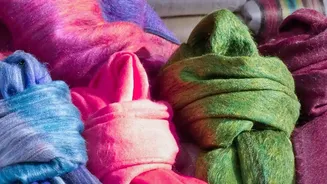
look for garments made from Merino wool, which is renowned for its exceptionally fine and soft fibres, making it perfect for items worn close to the skin. Other luxurious and comfortable options include Cashmere, sourced from the soft undercoat of goats, and Alpaca, which is not only soft and warm but also naturally hypoallergenic because it lacks lanolin. Lambswool, from a sheep's first shearing, is another incredibly smooth and soft choice.
The Gentle Art of Washing
Wool is naturally odour-resistant and doesn't need to be washed after every single wear; often, simply airing it out is enough. When it is time for a wash, always check the care label first. Hand-washing is generally the safest method. Use cool or lukewarm water and a mild detergent specifically designed for wool, as standard detergents can strip the fibres of their natural oils. Let the garment soak for about 10 minutes, gently pressing the soapy water through it without rubbing or wringing, which can cause damage. If your machine has a 'wool' or 'delicate' cycle, you can use that, but turn the garment inside out and place it in a mesh laundry bag for protection. Never use fabric softener, as it can coat the fibres and reduce their natural breathability.
Drying and Reshaping Properly
How you dry your woollens is just as important as how you wash them. Never hang a wet wool sweater, as the weight of the water will stretch the fibres and cause it to lose its shape. The heat from a tumble dryer is also a major risk, as it can cause shrinking and felting, unless the care label explicitly states it's safe. The best method is to lay the garment flat to dry. First, gently squeeze out excess water—do not twist or wring it. You can roll the sweater in a clean, dry towel and press gently to absorb more moisture. Then, lay it on a flat surface like a drying rack or another dry towel, carefully reshaping it as it dries away from direct sunlight or heat.
Dealing with Pills and Snags
Pilling—those tiny fuzzballs that appear on the surface—is a natural occurrence with wool, especially in areas of high friction like under the arms. While you can't prevent it entirely, you can manage it. Turning garments inside out before washing helps reduce abrasion on the outer surface. To remove pills that have already formed, you can use a specialised fabric comb or a battery-operated fabric shaver. These tools are designed to carefully trim the pills without damaging the fabric underneath. If you notice a snag, resist the urge to pull it. Instead, use a needle to gently pull the snagged loop through to the inside of the garment.
Smart Storage for Longevity
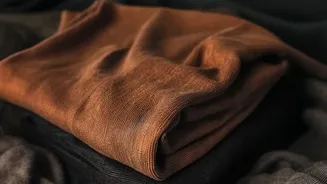
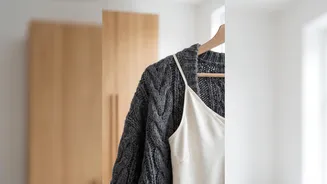
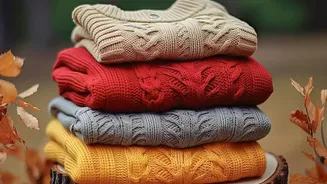
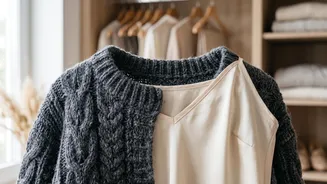
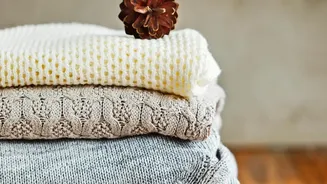
Proper storage, especially during warmer months, protects your woollens from pests like moths and helps them maintain their shape. Always clean your garments before storing them for an extended period, as moths are attracted to dirt and body oils. Knitted items like sweaters should always be folded rather than hung, as hanging can cause them to stretch out over time. Store them in a cool, dark, and dry place. Breathable cotton storage bags are a great option, as plastic containers can sometimes trap moisture. For natural moth protection, avoid chemical mothballs and opt for cedar blocks or lavender sachets placed in your drawers or storage containers.