




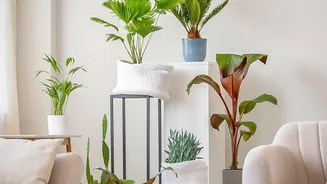

Peace Lily: The Elegant Air Purifier
The Peace Lily is a powerhouse for humid spaces. Not only does it have beautiful white blooms that thrive in low-light conditions common during overcast weeks, but its leaves also absorb moisture from the air. This plant is particularly effective in reducing
airborne mould spores, which can be a common problem in damp environments. It thrives in the exact conditions that make rainy weeks uncomfortable, making it an ideal companion for bathrooms and kitchens. For care, keep its soil consistently moist but not waterlogged, and place it in a spot with indirect sunlight. Its ability to remove toxins like ammonia and benzene is an added bonus for fresher indoor air.
Snake Plant: The Indestructible Dehumidifier
Known for being nearly indestructible, the Snake Plant is perfect for beginners and busy renters. Its thick, succulent-like leaves store water, but it also helps manage ambient humidity. While it is highly tolerant of dry conditions, it adapts well to higher humidity by controlling moisture. What makes it truly special for rentals is its tolerance for a wide range of light conditions, from low light to brighter spots. An exceptional feature is its ability to release oxygen at night, which helps keep the air in bedrooms feeling fresh while you sleep. Water it only when the soil is completely dry to prevent root rot.
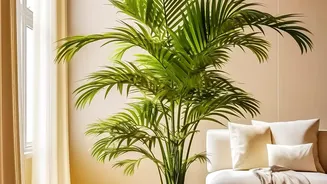
Areca Palm: The Tropical Humidifier and Purifier
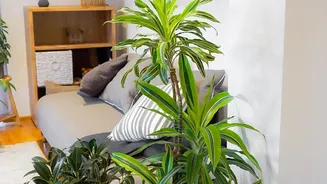
While it may seem counterintuitive, the Areca Palm is excellent for balancing indoor air. It acts as a natural humidifier by releasing moisture, which can counteract the stuffy, stagnant feeling of a closed-up apartment. More importantly, it is a champion air purifier, adept at removing common toxins like formaldehyde and xylene from the air, which are often found in furniture and paints. Its feathery fronds bring a lush, tropical vibe that can brighten any room, even on the greyest of days. It prefers bright, indirect light and consistently moist soil.
Spider Plant: The Resilient Air Cleaner
The Spider Plant is one of the most adaptable and easy-to-care-for houseplants available. It is known for its ability to absorb moisture from the air and is a fantastic air purifier, effective at removing pollutants like carbon monoxide and xylene. Its arching leaves and penchant for producing baby plantlets make it a visually interesting addition to any room. Spider plants are forgiving and tolerate a variety of conditions, including the extra humidity of a bathroom or kitchen. They thrive in moderate, indirect light and prefer their soil to dry out slightly between waterings.
Boston Fern: The Lush Humidity Lover
Boston Ferns are classic humidity-loving plants. They thrive in moist environments and help balance humidity levels by absorbing moisture through their dense, feathery fronds. This makes them particularly well-suited for the dampest corners of a home, such as a bathroom with a shower. These ferns need consistent moisture to keep their foliage lush and prevent the tips from turning brown. They prefer bright, indirect light, mimicking their natural habitat on a forest floor. Keeping the soil lightly moist and providing plenty of ambient humidity will ensure this plant works as an effective natural dehumidifier.
Clay Dehumidifiers: The Silent Moisture Absorber
Beyond plants, clay offers a silent, eco-friendly, and reusable solution to excess humidity. Made from porous materials like terracotta or montmorillonite clay, these dehumidifiers work through adsorption, trapping moisture from the air directly into their structure. You can find them as small sachets or decorative clay objects. They are ideal for small, enclosed spaces like closets, cabinets, or bathrooms where dampness and musty odours can build up. Unlike electric dehumidifiers, they require no power and are completely silent. When they become saturated, many can be 'recharged' by simply drying them in the sun or a low oven, making them a sustainable choice for rental living.