






Inspect and Secure Your Home’s Exterior
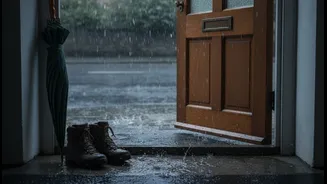
The first line of defence against heavy rain is your home's outer shell. Before the season begins, thoroughly clean your roof, terraces, and all drainage pipes. Debris like leaves and dirt can block gutters and downspouts, causing water to overflow and pool
around your foundation, which can lead to seepage and structural damage. Check your roof and exterior walls for any cracks, gaps, or loose tiles and have them sealed. A small crack can become a major leak path during a persistent downpour. Also, secure any loose items in your yard, balcony, or terrace—such as furniture, pots, and tools—as strong winds can turn them into dangerous projectiles.
Prioritise Electrical Safety
Water and electricity are a deadly combination. Before the rains, it is critical to have a licensed electrician inspect your home's wiring, especially if it's over ten years old. Ensure your home is equipped with a functional Earth Leakage Circuit Breaker (ELCB) or Residual Current Circuit Breaker (RCCB), which can prevent electrocution by automatically cutting power during a fault. Check that all external electrical points, like meter boxes and garden lights, are properly insulated and covered. Inside, avoid touching switches or appliances with wet hands and keep them away from windows or known leak-prone areas. During a thunderstorm, unplug non-essential electronics like TVs and computers to protect them from voltage surges.
Assemble a Monsoon Emergency Kit
Power cuts and disruptions to services are common during heavy rains, so having an emergency kit is non-negotiable. This kit should be stored in an easily accessible, waterproof bag or container. Key items include a torch with extra batteries, a fully charged power bank for your phone, and candles with matches as a backup. Stock at least two to three days' worth of drinking water and non-perishable food like biscuits, energy bars, and instant meals. Your kit should also contain a comprehensive first-aid box with bandages, antiseptics, pain relievers, and any personal prescription medications. Including hygiene supplies like hand sanitiser, soap, and disinfectant is also crucial as stagnant water can increase the risk of infections.
Prepare for Power and Water Outages
Beyond the emergency kit, a few extra steps can make outages more manageable. Fully charge all your devices, including phones and power banks, whenever a storm is forecast. If you rely on electricity to pump water, store an adequate supply for drinking, cooking, and basic sanitation. It's also wise to have a backup plan for food in the fridge and freezer. During extended outages, it's best to cook and consume perishable items first to avoid spoilage. Keeping important documents like IDs, insurance papers, and medical records in a sealed waterproof folder or saved securely in the cloud can be a lifesaver in an emergency.
Don't Forget Your Vehicle
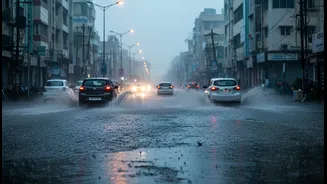
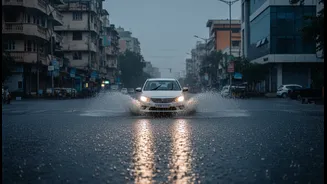
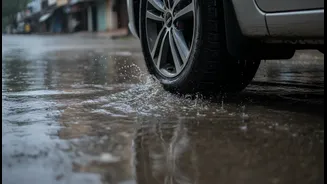
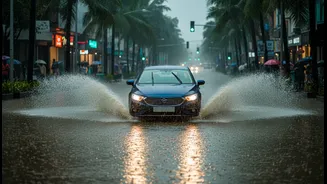
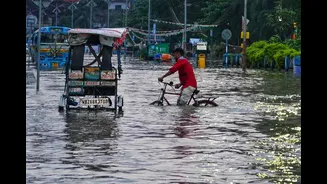
While this guide focuses on home preparation, your car is an extension of your safe space. Before the monsoon, get your vehicle serviced. Check that your tyres have adequate tread, your brakes are working perfectly, and your windscreen wipers are in top condition. Always keep your fuel tank topped up, as you may get stuck in long traffic jams caused by waterlogging. It's also a good idea to keep a smaller emergency kit in your car, including a towel, an umbrella, a torch, and some snacks and water. When driving, reduce your speed, maintain a safe distance from the vehicle ahead, and never attempt to drive through waterlogged areas if you can't gauge the depth.