




How Weak Is The Monsoon?
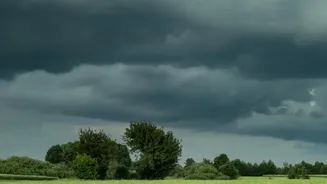
The southwest monsoon, which delivers about 70% of India's annual rainfall, has been inconsistent in 2026. While July offered a brief recovery, the India Meteorological Department (IMD) had initially predicted a 'below-normal' season, and that forecast
appears to be holding true. As of early August, the cumulative seasonal rainfall was tracking a 12% deficit below the long-period average. This is largely attributed to the strengthening of El Niño conditions in the Pacific Ocean, a phenomenon known to suppress monsoon rainfall over India. The IMD has also forecast that August rainfall is likely to be below normal, which is a critical period for crop growth.
The Impact on Kharif Sowing
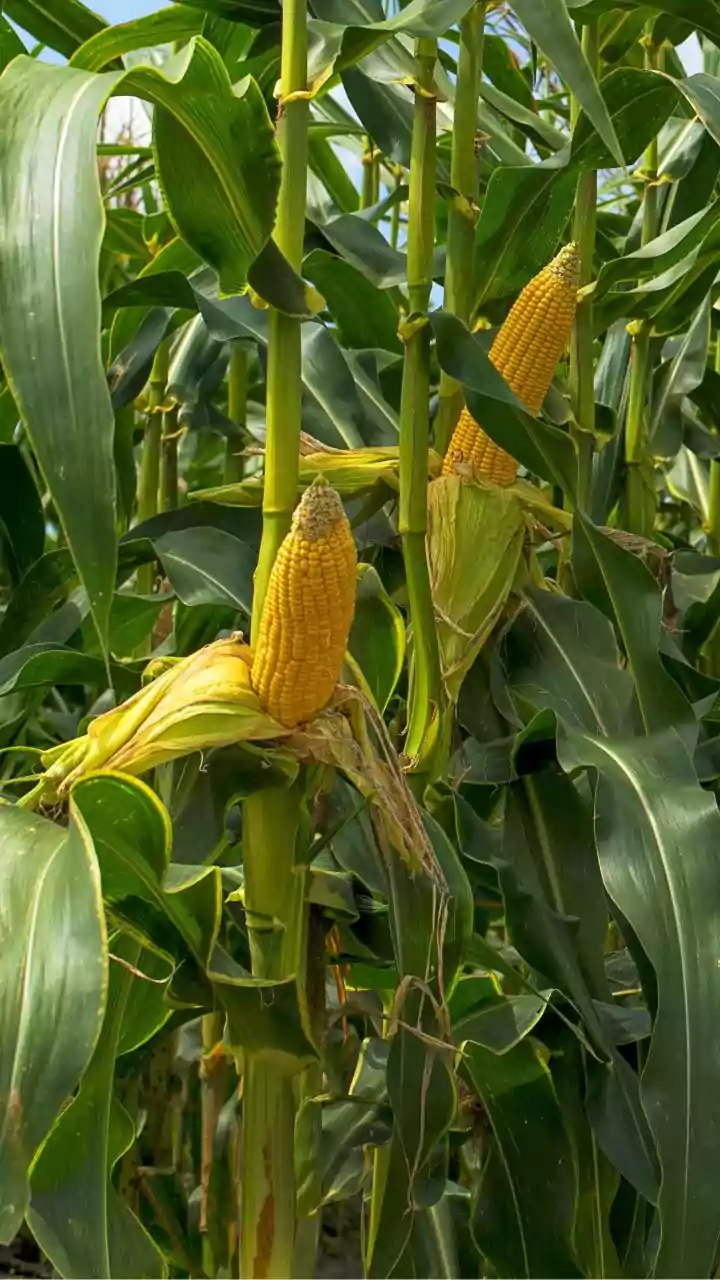
The immediate and most direct impact of a weak monsoon is on the sowing of kharif (monsoon) crops. As of August 14, 2026, the total area sown with kharif crops was reportedly 2% lower than the same period last year. The sowing of rice, a water-intensive staple, was down by approximately 3.7%. Acreage for other important crops like pulses (tur), maize, and soybeans has also seen a decline. With the main sowing window virtually closed, the country's agricultural output now depends heavily on how the existing crops perform, which hinges on receiving adequate and evenly distributed rainfall through the rest of the season.
Which Food Items Could Get Costlier?
When the supply of agricultural produce tightens, prices naturally face upward pressure. The items most vulnerable are those heavily dependent on rain-fed agriculture. Pulses (daals), certain vegetables, and even rice could see price increases. Recent data from mid-August already shows sharp spikes in the prices of leafy vegetables in some local markets, with low arrivals cited as a potential cause. Food inflation, which rose to 5.52% in July 2026, has been a key driver of overall retail inflation. Even a 10% rainfall deficit can potentially add up to one percentage point to headline inflation, primarily through rising food costs. This disproportionately affects household budgets, as food makes up a significant portion of consumer spending.
The Chain Reaction Explained
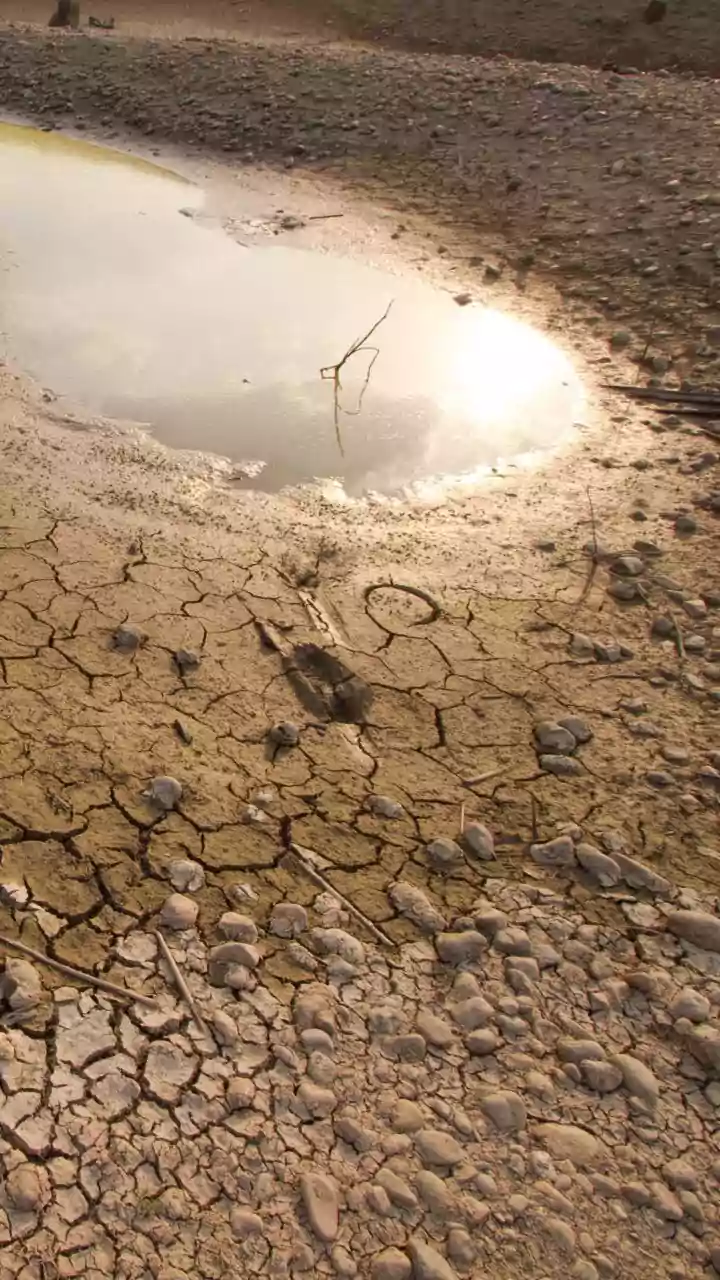
The link between rainfall and your kitchen is a clear chain of events. Less rain means less water available for irrigation and lower soil moisture for rain-fed farms, which constitute over half of India's farmland. This leads to a reduced area of cultivation and lower yields per hectare. Lower production results in a smaller supply arriving at the wholesale markets, or mandis. With demand remaining relatively constant, this supply-demand mismatch pushes wholesale prices up. This increase is then passed down the supply chain, from the wholesaler to the local retailer, and ultimately, to you, the consumer, who pays more for staples like rice, daal, and vegetables.
What Can the Government Do?
The government is not a passive observer in this situation. It has several tools to manage food price inflation. These include releasing buffer stocks of grains like rice and wheat to increase market supply and cool prices. Trade policies are another lever; the government can ease import norms for items in short supply, like pulses and edible oils, or restrict exports of commodities like rice to ensure domestic availability. These measures are designed to act as a cushion against sharp price shocks, though their effectiveness depends on timing and the scale of the production shortfall.