





More Than Just Stone Walls
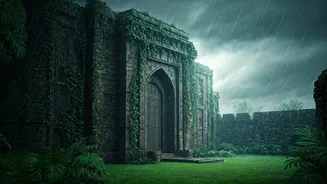
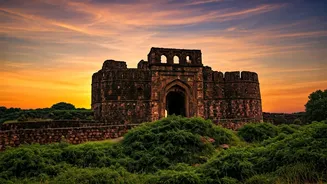
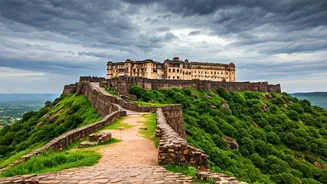
Madhya Pradesh, the 'Heart of India', is a land of empires past. Its landscape is dotted with majestic forts, each a silent witness to the rise and fall of powerful dynasties like the Mughals, Marathas, and Bundelas. For centuries, these structures were
symbols of power and defence. Today, they are becoming emblems of a new kind of royalty—one defined by heritage, hospitality, and unparalleled luxury. The conversion of these forts into hotels is more than a business venture; it's a vital act of preservation. When the era of princely states ended, maintaining these colossal properties became a challenge for the erstwhile royal families. By transforming them into hotels, a sustainable model was born, allowing these architectural marvels to be maintained, their stories preserved, and their gates opened to discerning travellers.
The Spiritual Serenity of Ahilya Fort
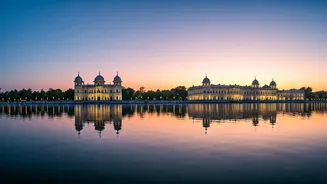
Perched high above the sacred Narmada River in Maheshwar stands Ahilya Fort. This was not a fortress of war, but the personal residence and administrative seat of one of India’s most revered rulers, Maharani Ahilyabai Holkar, who governed from 1765 to 1796. Known for her piety and wisdom, her legacy of grace permeates the fort. In 2000, her descendant, Prince Richard Holkar, converted his home within the fort into an intimate heritage hotel. The experience here is one of understated elegance. The 19 unique rooms are scattered across courtyards and gardens, filled with family artefacts and handwoven textiles. Guests dine on traditional Holkar family recipes, with ingredients often sourced from the on-site organic garden. A stay at Ahilya Fort is an immersion in a living legacy, where the rhythm of life is set by temple bells and the gentle flow of the Narmada below.
Gwalior's Garden of Legacy
In the historic city of Gwalior, Deo Bagh offers a different but equally compelling narrative. Managed by Neemrana Hotels, this property is not a single fortress but a 17th-century garden estate that has witnessed layers of history. Originally a Mughal garden, it was later taken over by the Maratha Jadhav family who made it their summer retreat. The property itself is a treasure trove, housing two 17th-18th century Maratha temples, elegant cenotaphs, and pavilions. The experience here is about finding tranquility and history amidst the bustle of a modern city. Guests can wake to the call of peacocks and explore the same gardens where Mughal generals and Maratha nobles once walked. It exemplifies how heritage properties can serve as peaceful enclaves of history, offering a quiet, contemplative luxury.
The Modern Maharaja Experience
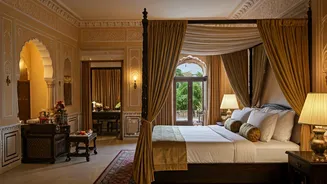
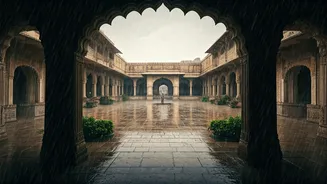
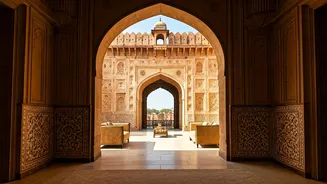
Staying in one of Madhya Pradesh's fort hotels is a seamless blend of past and present. The architectural soul of the properties—the ornate jharokhas (balconies), sprawling courtyards, and thick stone walls—remains untouched. These historical elements are thoughtfully integrated with modern luxuries that today's traveller expects. You might find a plunge pool tucked away in a private courtyard, enjoy fine dining in a centuries-old hall, or receive a spa treatment in what was once a royal chamber. The experience extends beyond the walls. These hotels often serve as custodians of local culture, offering curated experiences like heritage walks, culinary classes in regional cuisine, and visits to local artisan communities, such as the famous Maheshwari weavers near Ahilya Fort.