
The Legendary Konkan Railway
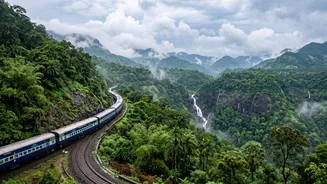
The journey from Mumbai to Goa on the Konkan Railway is frequently cited as one of India's most scenic train routes. Carved through the challenging terrain of the Western Ghats, the line is an engineering marvel, boasting 92 tunnels and over 2,000 bridges.
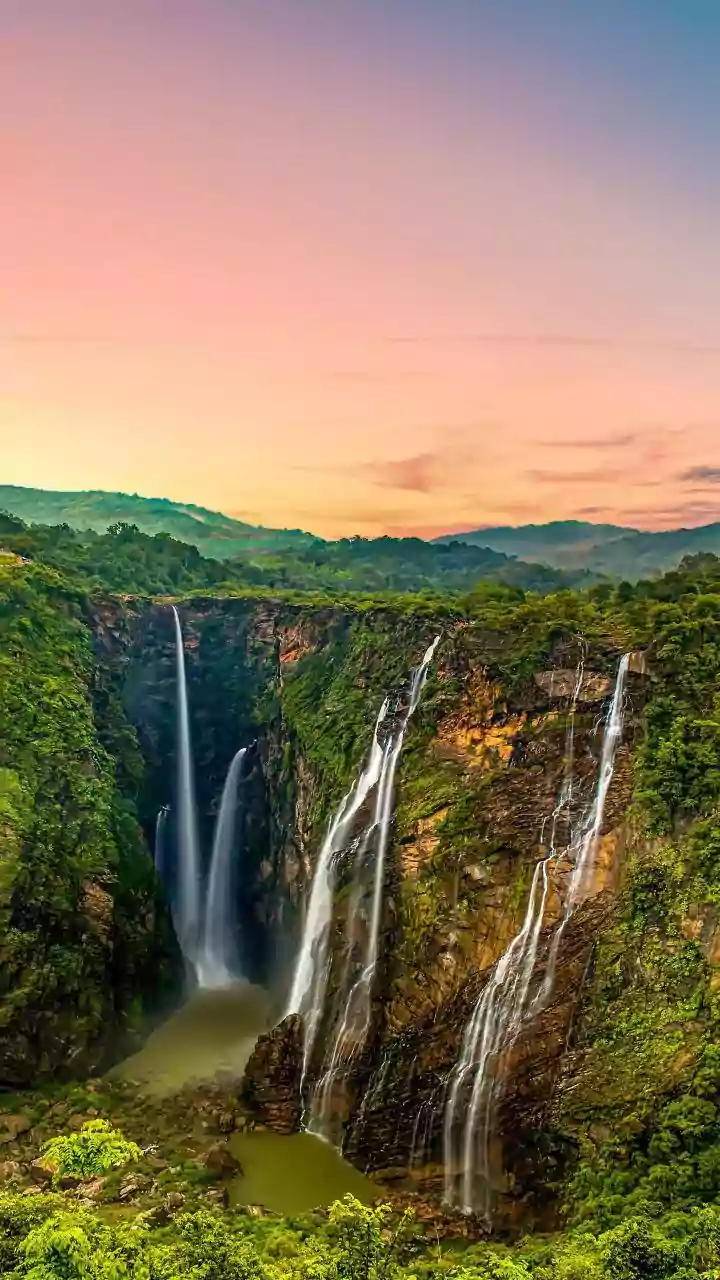
While beautiful year-round, the route transforms into a vibrant green paradise during the monsoon months of June through September. The landscape, washed clean by the rains, comes alive with countless seasonal waterfalls, gushing streams, and mist-covered hills, making it a bucket-list trip for nature lovers and travel enthusiasts.
Your Ride: The Mandovi Express
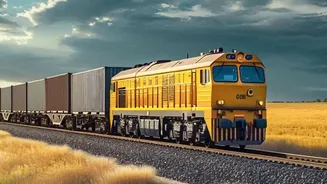
The 10103 Mandovi Express is a daily train that connects Mumbai's Chhatrapati Shivaji Maharaj Terminus (CSMT) with Madgaon in Goa. Departing from Mumbai in the morning, it offers a full day of sightseeing from your window, arriving in Goa by the evening. As a daytime service, it is an ideal choice for those who prioritise the journey's scenic beauty over speed. The train passes through key stations in the Konkan region like Panvel, Ratnagiri, and Sawantwadi, each section offering its own unique vistas. While other faster trains like the Tejas Express and Vande Bharat Express also ply this route, the Mandovi Express provides a classic, unhurried rail experience.
A Cascade of Monsoon Waterfalls
The main attraction during the monsoon is the sheer number of waterfalls you can spot from the train. Many are ephemeral, appearing only during heavy rains, cascading down the hillsides in silvery ribbons. One of the most well-known waterfalls directly visible on this route is the Ranpat Waterfall, located near Ratnagiri. However, a point of frequent confusion is the famous Dudhsagar Falls. While the headline might suggest otherwise, the Mandovi Express does not pass directly by Dudhsagar. The spectacular 'Sea of Milk' is located on a different railway line—the Vasco da Gama to Londa route. To see it, you would need to take a connecting train from Madgaon, such as the Amaravati Express. During the monsoon, viewing it from a passing train is the only safe and legal way, as jeep safaris and track-walking are prohibited.
Engineering Marvels and Lush Vistas
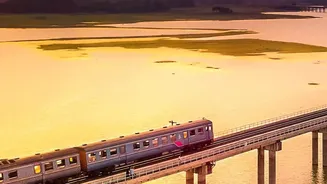
Beyond the waterfalls, the journey is punctuated by incredible feats of engineering that offer stunning views. A major highlight is the Panvalnadi viaduct near Ratnagiri. Standing at 64 meters, it is one of Asia's tallest railway viaducts, and crossing it provides a breathtaking view of the valley below. The train snakes through lush paddy fields, dense coconut groves, and patches of thick forest. The journey is a constantly changing reel of red soil, vibrant greenery, and dark, exciting tunnels that suddenly open up to sweeping vistas of rivers and bridges.
Planning Your Monsoon Journey
To make the most of your trip, booking in advance is crucial, especially for weekend or holiday travel. Tickets can be booked via the official IRCTC website or app. The monsoon season (June-October) is the best time for lush greenery and waterfalls, but be aware that trains on the Konkan route operate on a reduced 'monsoon timetable', which can mean slightly longer journey times. When booking, you can choose from various classes, including AC Chair Car and Sleeper Class. For an enhanced experience, some other trains on this route, like the Jan Shatabdi Express, feature Vistadome coaches with panoramic glass windows and a glass roof, offering unparalleled views.
Pro-Tips for the Best Views
For the best scenery on the journey from Mumbai to Goa, try to get a seat on the right side of the train. This side offers the most dramatic views of the hills, valleys, and waterfalls. For those in sleeper or AC berths, a lower berth provides the most comfortable and unobstructed viewing experience. Keep your camera ready, especially when the train slows down for bridges and viaducts. While pantry services may be available, don't miss out on the local snacks and hot chai sold by vendors at stations along the way. Carry some cash for these small purchases and immerse yourself in the authentic flavours of the Konkan.