






What is the Thyroid's Job?
Think of the thyroid gland as the body's metabolic thermostat. This butterfly-shaped organ, located at the base of your neck, produces hormones that control the speed of your body's chemical reactions. These hormones, primarily thyroxine (T4) and triiodothyronine
(T3), are essential for regulating your heart rate, body temperature, and the rate at which you burn calories. They also play a crucial role in protein synthesis, growth, and the proper development of the brain and nervous system, especially in infants and children. When this gland works correctly, your energy levels are stable, and your body functions smoothly. But for it to do its job, it needs a key raw material.
Iodine: The Essential Building Block
Iodine is a trace mineral that the body cannot produce on its own; it must be obtained through diet. Its main function is to serve as the essential component for creating the thyroid hormones T3 and T4. The thyroid gland is incredibly efficient at capturing iodine from the bloodstream and incorporating it into these hormones. Without an adequate supply of iodine, the thyroid simply cannot manufacture the hormones needed to keep your metabolism running correctly. This forces the gland to work harder in an attempt to compensate, which can lead to significant health issues over time.
Signs of Iodine Deficiency
When your iodine intake drops too low, the thyroid gland struggles, a condition known as hypothyroidism, or an underactive thyroid. One of the earliest and most visible signs can be a goitre, which is a swelling of the thyroid gland in the neck. This occurs as the gland enlarges in its attempt to trap more iodine from the blood. Other common symptoms are often subtle and can be mistaken for general stress or fatigue. These include unexplained weight gain, constant tiredness and weakness, increased sensitivity to cold, dry and scaly skin, thinning hair, and brain fog or confusion. In some cases, deficiency can also affect fertility.
How to Get Enough Iodine in India
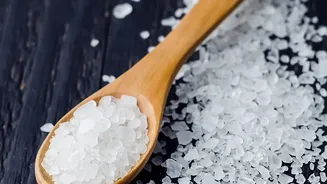
For most people in India, the easiest and most reliable source of iodine is iodized salt. The nationwide Universal Salt Iodisation program has dramatically reduced deficiency rates since its introduction. However, with the rising popularity of non-iodized salts like rock salt (sendha namak) and pink salt, some people may unknowingly be at risk. Beyond salt, good dietary sources include dairy products like milk, curd, and paneer. Non-vegetarians can get plenty of iodine from seafood, including marine fish like mackerel and sardines, as well as prawns. Eggs are another excellent and widely available source. While some vegetables and grains contain iodine, the amount varies depending on the soil they were grown in, making them a less consistent source.
Can You Have Too Much Iodine?
While deficiency is a problem, more is not necessarily better. Both too little and too much iodine can disrupt thyroid function. High doses of iodine, often from supplements, can surprisingly cause some of the same symptoms as deficiency, including goitre and hypothyroidism. In some individuals, it may even trigger an overactive thyroid (hyperthyroidism). For adults, the recommended daily intake is about 150 micrograms (mcg), with higher needs during pregnancy and lactation. The safe upper limit is around 1,100 mcg per day for adults. Unless prescribed by a doctor for a specific condition, high-dose iodine supplements are generally not recommended. The goal is to consistently meet your daily requirement through a balanced diet, not to megadose.