



Why the Off-Season Is the New Peak
For years, Indian travel has operated on a simple binary: the chaotic, expensive peak season (October to March) and the 'avoid-at-all-costs' monsoon season (June to September). But as post-pandemic travel surges, peak season is becoming synonymous with
overtourism, packed-out hotels, and surge pricing that can break any budget. Savvy travellers are realising that the real luxury isn't a crowded beach in Goa at Christmas; it's having a place almost to yourself. This is where the monsoon comes in. It's no longer just an 'off-season'—it's the 'smart season'. By planning for 2026 and beyond, you're not just dodging rain showers; you're dodging the crowds, the inflated costs, and the fatigue of over-planned, rigid itineraries.
The Promise: Lush Greens and Lower Prices
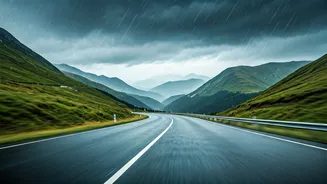
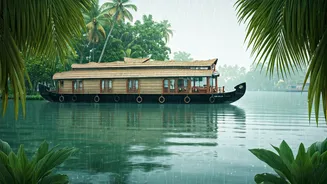
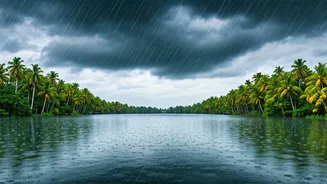
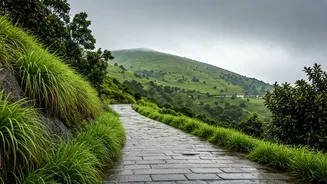
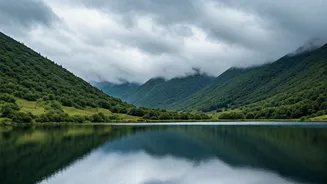
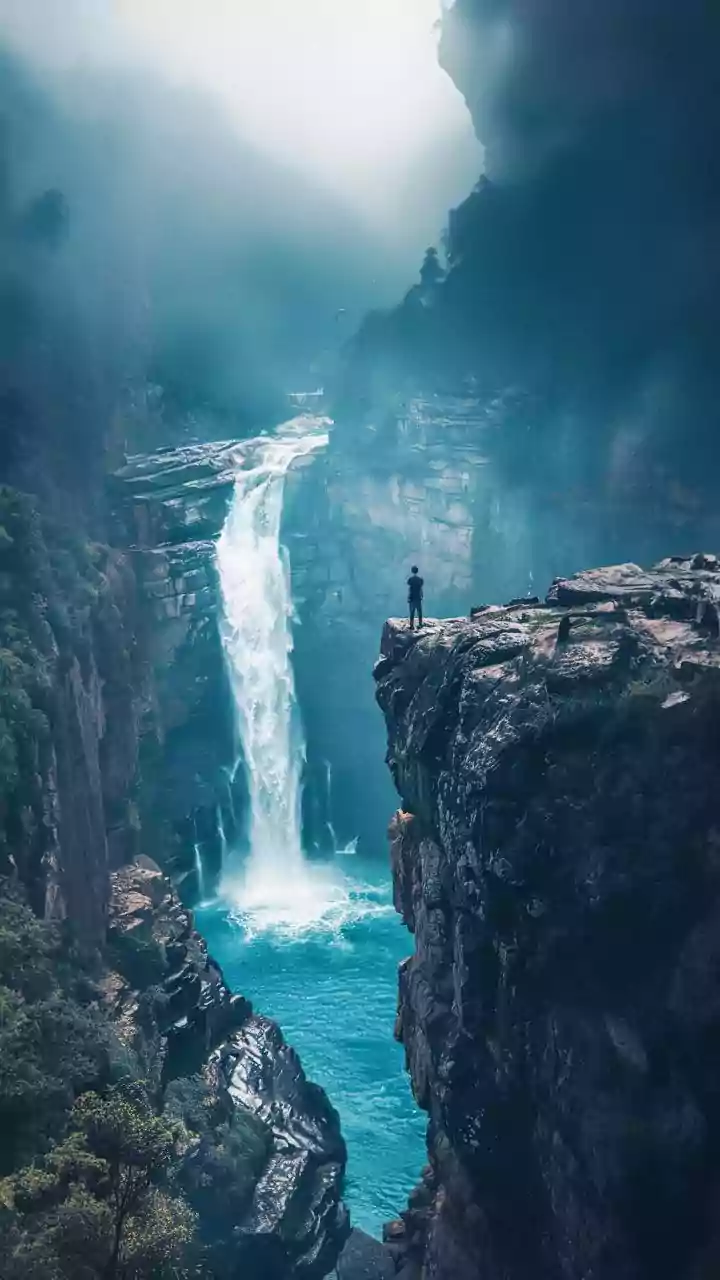
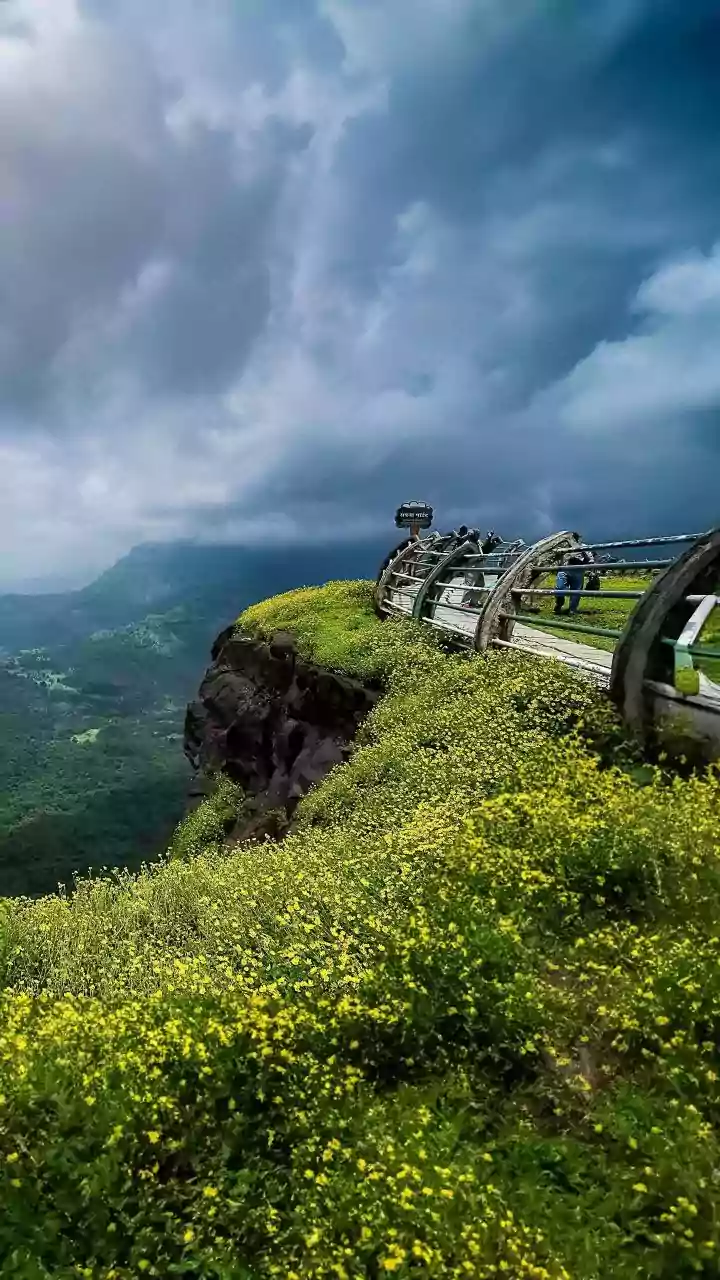
Let's debunk the biggest myth: that monsoon travel means being stuck indoors. While you will see rain, it’s often in predictable, short bursts, leaving the rest of the day fresh, cool, and vibrant. Imagine the Western Ghats, transformed into a carpet of impossible greens, with waterfalls gushing at full force. Picture the lakes of Udaipur, full and shimmering under dramatic, cloudy skies. Or the backwaters of Kerala, where the rhythm of the rain on your houseboat roof becomes a soothing soundtrack. The aesthetic is a huge part of the appeal. But the practical benefits are even more compelling. Flights and five-star hotels can be 30-50% cheaper. You won't need to book restaurant tables weeks in advance. The entire travel experience becomes more relaxed, spontaneous, and significantly lighter on the wallet.
Your Superpower: What Is 'Monsoon Flexibility'?
This isn't just about booking a trip between June and September. The 'hack' lies in the 'flexibility'. The monsoon's nature is unpredictable; a road might be blocked, a flight delayed, or an outdoor trek rained out. A rigid, minute-by-minute itinerary is doomed to fail. Monsoon flexibility means building a trip with buffers. It means having a Plan A, B, and C. For example, instead of booking a non-refundable trek, you might book a hotel with a great indoor pool and spa as a backup. Instead of planning a tight road trip, you add an extra 'buffer day' in each city to account for slower travel. It’s also about mental flexibility: being willing to swap a planned sightseeing tour for an afternoon spent reading in a cosy café, listening to the rain. This mindset shift turns potential disruptions into welcome detours.
Where to Go: Prime Monsoon Destinations
Not all of India is ideal during the monsoon, but many places truly come alive. - **Kerala:** Often marketed as 'God's Own Country', it's never truer than in the monsoon. The backwaters are serene, Ayurvedic treatments are considered more effective in the humid weather, and the hills of Munnar and Wayanad are breathtakingly green. - **Rajasthan (Udaipur & Bundi):** While Jaipur and Jaisalmer can be tricky, the lake cities are magical. The dry, parched landscape gets a new lease on life, and seeing the City Palace or Jag Mandir against a backdrop of stormy skies is unforgettable. - **Goa:** The party scene quiets down, replaced by a lush, tranquil vibe. It's perfect for those who want to experience Goa’s natural beauty, enjoy its incredible food, and relax on near-empty beaches (swimming is often restricted, so check locally). - **Coorg, Karnataka:** Known as the 'Scotland of India', its coffee plantations and rolling hills are spectacular in the rain. It’s a trekker's paradise for those equipped with the right gear.
Your Monsoon Travel Toolkit
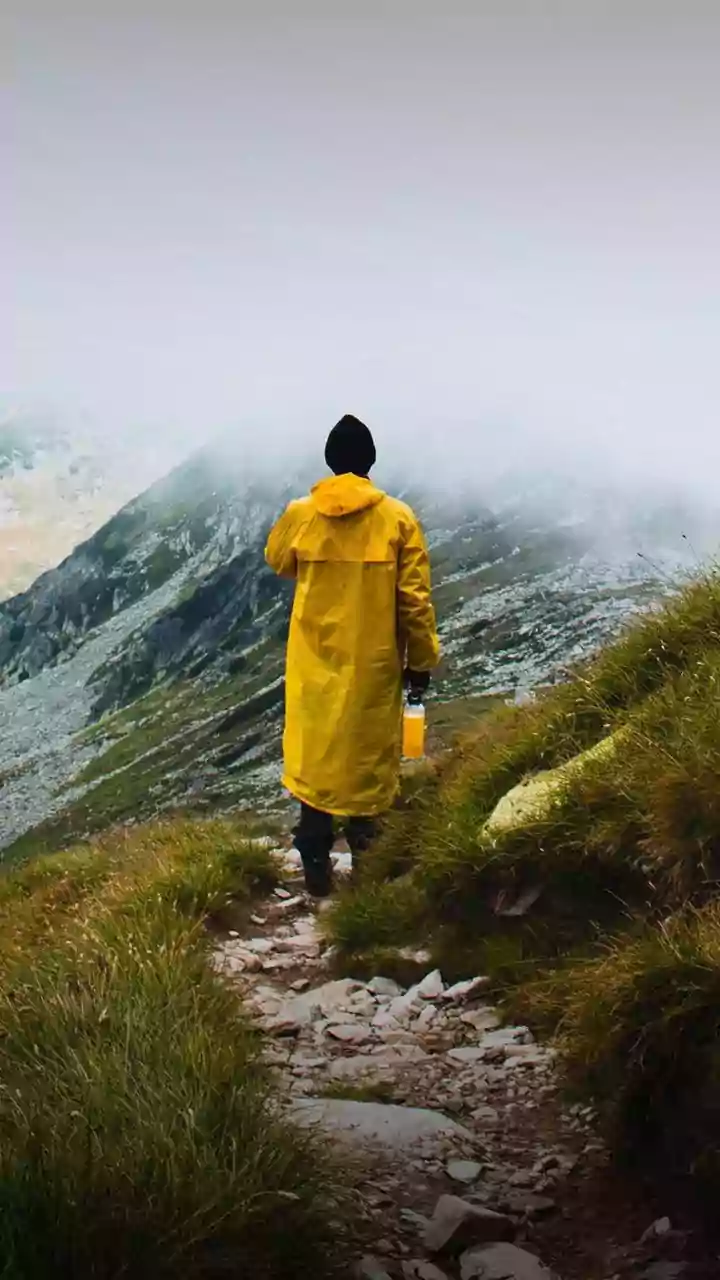
To master the art of monsoon travel, you need the right tools and tactics. First, pack smart: quick-dry clothing is non-negotiable, along with a reliable waterproof jacket and slip-resistant footwear. A waterproof bag or dry sack for your electronics is essential. Second, book smart: opt for refundable or flexible hotel and flight tickets wherever possible. The small extra cost is your insurance against weather-related changes. Third, travel smart: keep your itinerary loose. Don't pack too much into one day. Embrace the slower pace. Check local weather forecasts and road conditions daily, and always have a comfortable 'rainy day' activity in mind—be it a cooking class, a spa day, or exploring a local market under cover.