


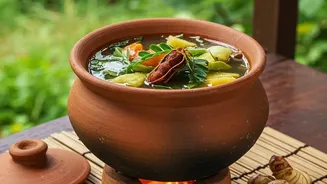
The Grounding Force of Cumin
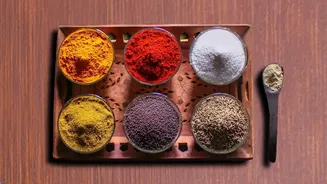
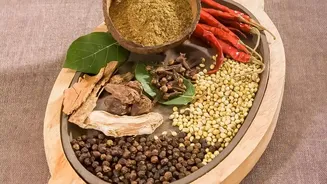
Cumin, or 'jeera', is a foundational spice in the Indian masala dabba (spice box) for a reason. Its flavour profile is warm, nutty, and deeply earthy, providing a savoury bass note that other, sharper spices can build upon. Whether used as whole seeds
sizzled in hot oil (a technique called 'tadka') to release their aromatic oils, or in ground form to blend seamlessly into marinades and masalas, cumin offers a comforting depth. Toasting cumin seeds before grinding them can intensify this flavour, bringing out a smokier, more complex character that is hard to replicate. It's the backbone of dishes from simple jeera rice to complex curries, providing a consistent, grounding presence.
The Tangy Heart of Tamarind
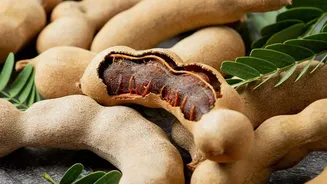
Tamarind, or 'imli', is a tropical fruit that provides a unique sweet-and-sour taste essential for balancing flavours in many regional cuisines. Its distinctive tang comes from tartaric acid, which has the power to cut through richness and add a refreshing, bright dimension to dishes. This makes it indispensable in South Indian classics like sambar and rasam, where it balances the heat of chillies and the earthiness of lentils. But its use isn't limited to the south; tamarind is the star of countless chutneys, sauces, and even cooling drinks across India, prized for its ability to add a layer of complexity that is simultaneously fruity and acidic.
A Perfect Culinary Balance
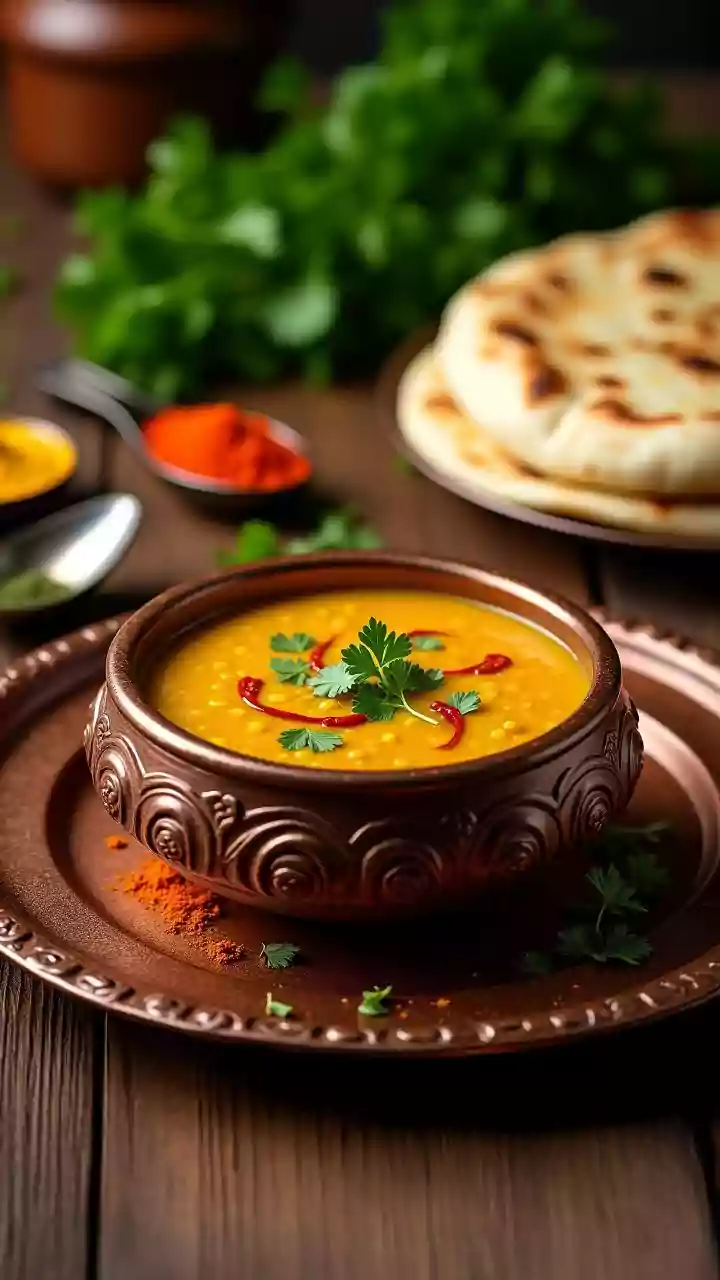
When cumin and tamarind come together, they create a harmony that is greater than the sum of its parts. Cumin’s earthy, musky notes provide the perfect counterbalance to tamarind’s bright, sour punch. One grounds the dish, while the other lifts it up. This dynamic is why they are so often found together in recipes. Think of a rich chana masala or a tangy khatti dal; the cumin provides the savoury depth while the tamarind adds a zesty finish that keeps the dish from feeling too heavy. They don't compete for attention but work in tandem to create a well-rounded and deeply satisfying flavour profile.
In Focus: Understanding Tamarind Pulp
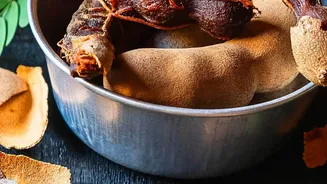
While convenient tamarind pastes and concentrates are available, many chefs and home cooks swear by using tamarind pulp for the freshest, most authentic flavour. Tamarind pulp is typically sold as a compressed, fibrous block. This is the raw, less-processed form of the fruit, with fibres and sometimes seeds still intact. Commercial pastes, on the other hand, are ready-to-use liquids that have already been strained and often contain added salt or preservatives. While paste is great for convenience, making your own pulp liquid gives you complete control over the concentration and purity of the flavour, much like using fresh-squeezed lemon juice instead of bottled.
How to Prepare Tamarind Pulp
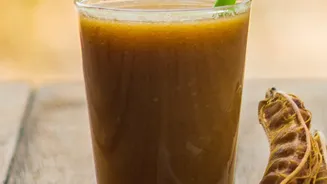
Working with a block of tamarind pulp is simple. First, break off the amount you need for your recipe. Place this chunk in a heatproof bowl and cover it with hot (but not boiling) water. Let it soak for about 20-30 minutes; the pulp will soften considerably. Once it's cool enough to handle, use your fingers to mash and squeeze the softened pulp, separating the flesh from the fibres and seeds. You'll be left with a thick, brownish liquid and a fibrous mass. Strain this liquid through a sieve, pressing on the solids with a spoon to extract as much of the flavourful pulp as possible. What you have now is tamarind water or liquid pulp, ready to be used. For a thicker consistency, use less water; for a thinner liquid, use more.
Putting It All Together In Your Kitchen
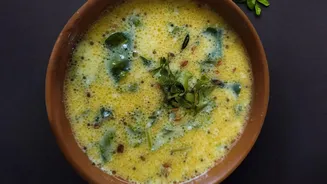
Now, it's time to cook. The cumin and tamarind pairing shines in a variety of vegetarian and non-vegetarian dishes. Add a tadka of cumin seeds and a splash of your homemade tamarind water to a simple lentil soup to transform it into a vibrant rasam. Create a marinade for grilled vegetables or chicken by mixing ground cumin, tamarind water, garlic, and other spices. The combination is also the heart of many beloved chutneys, often paired with dates or jaggery for sweetness. By getting comfortable with these two ingredients, especially the hands-on process of making tamarind pulp, you unlock a deeper, more authentic layer of Indian cooking.