



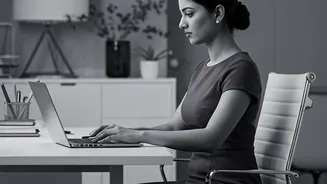


Why Sitting Is a Strain on Your Joints
Our bodies are designed for movement. When we sit for extended periods, several negative changes occur. The hip flexors, muscles at the front of your hips, remain in a shortened position, causing them to tighten over time. This tightness can pull on your lower
back and contribute to pain. Simultaneously, the gluteal muscles (in your buttocks) become inactive and weak. This combination of tight hips and weak glutes forces other parts of your body, like your lower back, to compensate, leading to strain and discomfort. Prolonged sitting also increases the pressure on your spinal discs, which can lead to stiffness and chronic back pain. Without regular movement, joints don't get the circulation they need, which can reduce lubrication and make them feel stiff and achy.
The Power of Small, Consistent Movements
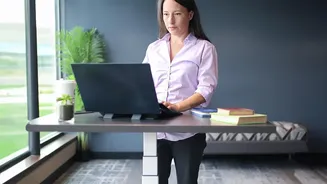
The solution isn't necessarily hitting the gym for two hours after work, although that helps. Research suggests that breaking up long periods of sitting is crucial. Integrating small 'movement snacks' throughout your day can make a significant difference. The goal is to counteract the negative effects of being static. Standing up every 30 to 60 minutes to stretch or walk around helps restore blood flow, decompress the spine, and activate muscles that have been dormant. Even simple actions like taking phone calls while standing, walking to a colleague's desk instead of messaging, or taking the stairs can add up. Consistency is more important than intensity when it comes to combating the effects of a sedentary job.
Essential Stretches to Do at Your Desk
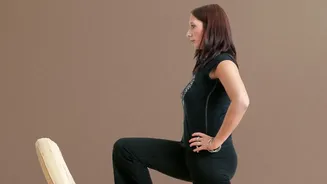
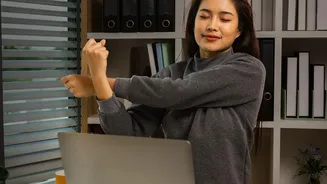
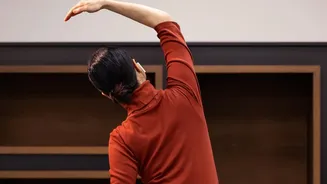
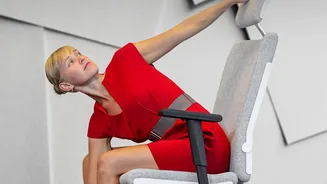
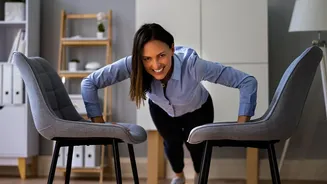
You can begin to alleviate joint stiffness right from your chair. These subtle stretches can be done without drawing too much attention. Seated Spinal Twist: Sit upright and gently twist your torso to one side, using the armrest or chair back for a light hold. Hold for 15-30 seconds and repeat on the other side to improve spinal mobility.Neck Stretches: Gently tilt your head from side to side, and then nod forward and back to release tension in your neck and shoulders, which often builds up from staring at a screen.Hip Flexor Stretch: While sitting, extend one leg straight out and try to push your heel forward, feeling a stretch in the back of your leg (hamstring). To stretch the hip flexor, sit at the edge of your chair and extend one leg behind you if space permits.Chest Opener: Interlace your fingers behind your back, push your chest forward, and lift your arms slightly. This counteracts the slouched, rounded-shoulder posture common at desks.
Strengthening for Stability and Support
Stretching helps relieve tightness, but strengthening the right muscles provides long-term support for your joints. Because sitting weakens the glutes and core, focusing on these areas is vital. Strong glutes and core muscles create a stable base for your spine and pelvis, reducing the strain on your lower back and hip joints.Exercises like squats, lunges, and bridges are excellent for activating and strengthening the glutes. You don't need heavy weights; bodyweight exercises are very effective. Planks and leg raises can help build core strength, which supports your posture throughout the day. Integrating these exercises into your routine a few times a week will build a more resilient frame, making you less susceptible to the aches and pains of a desk job.
Building a Movement-Rich Lifestyle
Ultimately, the goal is to shift from a sedentary lifestyle to a more active one, both in and out of the office. This means making conscious choices to move more. Consider a brisk walk during your lunch break to improve circulation and clear your head. Activities like yoga or swimming are fantastic for joint health as they promote flexibility and strength without high impact. Even a simple squatting stretch, like the 'Grok Squat' where you squat down as low as possible with heels on the floor for 30-60 seconds, can help stretch the hamstrings, lower back, and groin. By weaving these simple practices into your daily and weekly schedule, you actively protect your joints, improve your posture, and boost your overall energy levels, ensuring your work doesn't come at the cost of your long-term health.