




As the weather turns colder, you might notice your skin feeling tight, flaky, and dull. While it's easy to blame the outdoor chill, the real culprit is often hiding indoors: your heating system. Here is why and what to do about it.
The Real Cause of Winter Skin Woes
When temperatures drop,
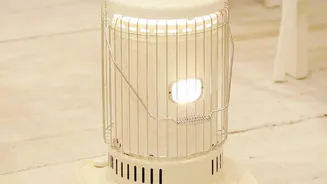
we turn on heaters and furnaces to stay warm. While this makes our homes cozy, it also drastically reduces the moisture in the air. Most heating systems warm up cold air, which has a low capacity to hold water, causing the indoor relative humidity to plummet. This creates an extremely dry environment. Your skin, which needs a certain amount of ambient moisture to stay hydrated, begins to lose its own water to the thirsty air around it. This process, known as transepidermal water loss (TEWL), accelerates significantly, leaving your skin's protective barrier compromised and unable to retain essential hydration.
Dehydrated Skin vs. Dry Skin
It's a common point of confusion, but understanding the difference is key to treating your skin correctly. Dry skin is a skin type you are born with; it means your skin naturally produces less oil, or sebum. Dehydrated skin, on the other hand, is a temporary condition where your skin lacks water, not oil. Any skin type, including oily and acne-prone skin, can become dehydrated. Telltale signs of dehydration include tightness, dullness, and more visible fine lines, whereas dry skin often feels consistently rough or flaky. Indoor heating specifically causes dehydration by stripping water from the skin.
Recruit Hydrators: The Power of Humectants
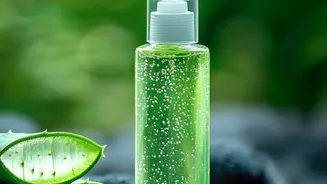
To combat dehydration, your first line of defense is to add water back into your skin using ingredients called humectants. These work like magnets, pulling moisture from the environment and the deeper layers of your skin to hydrate the surface. The most well-known humectants are hyaluronic acid and glycerin. Hyaluronic acid can hold up to 1,000 times its weight in water, making it a superstar for plumping and hydrating skin. Glycerin is another effective and reliable option that helps prevent dryness caused by heat. Look for these ingredients in serums and lightweight lotions to give your skin a much-needed drink.
Lock It In with Emollients and Occlusives
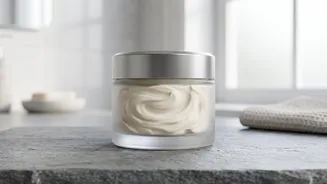
Drawing moisture into your skin is only half the battle; you also need to keep it there. This is where emollients and occlusives come in. Emollients, like ceramides, shea butter, and squalane, work by filling in the gaps between skin cells, making the skin feel smoother and helping to repair its protective barrier. Occlusives, such as petrolatum and dimethicone, form a physical barrier on the skin's surface to prevent moisture from evaporating. A good winter moisturiser will often contain a blend of all three types of ingredients—humectants to hydrate, emollients to soften, and occlusives to seal everything in.
Your Adjusted Winter Skincare Routine
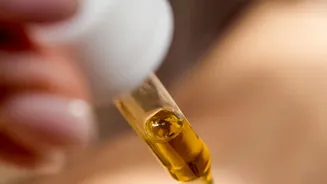
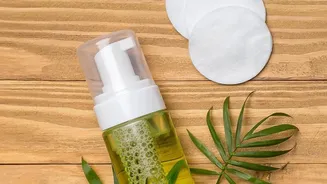
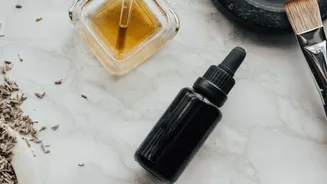
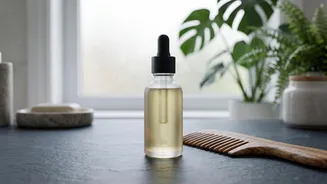
Tailoring your routine for indoor heating season doesn't have to be complicated. Start by switching to a gentler, creamier cleanser that won't strip your skin's natural oils; avoid hot water, which can worsen dryness. After cleansing, apply a hydrating serum with hyaluronic acid or glycerin to damp skin. Follow up with a richer moisturiser than you would use in the summer, preferably one containing ceramides or shea butter to support your skin's barrier. If your skin is extra dry, you can apply a thin layer of a facial oil or an occlusive balm at night as the final step to lock in all the moisture.
Beyond the Bottle: Lifestyle Adjustments
Topical products are crucial, but a few lifestyle changes can make a huge difference. Using a humidifier in your bedroom or main living area is one of the most effective ways to add moisture back into the air, which helps reduce transepidermal water loss while you sleep. Additionally, stay hydrated by drinking plenty of water and eating water-rich foods. Finally, protect your skin from the harsh contrast between cold outdoor air and dry indoor heat by wearing scarves and gloves when you go outside.