


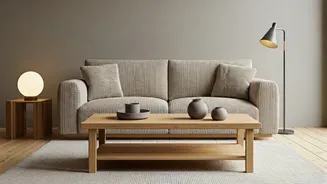
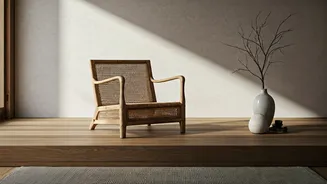


1. Identify Your 'Anchor' Piece
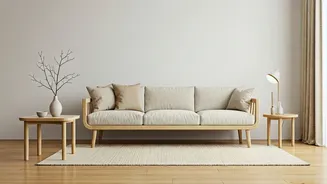
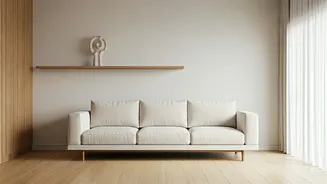
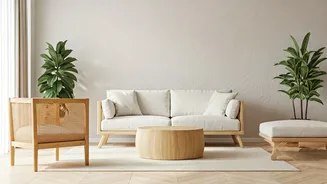
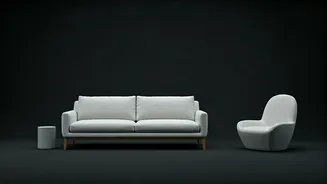
The foundation of the 'less furniture' philosophy isn’t about having an empty room; it’s about making every item count. Instead of filling a space with multiple medium-impact pieces, focus on one significant 'anchor.' In a living room, this could be a beautifully
crafted sofa with a strong silhouette. In a dining room, it might be a sculptural dining table. This single piece sets the tone for the entire room, drawing the eye and establishing a clear focal point. Everything else in the space should serve to complement it, not compete with it. By choosing one star player, you give it the attention it deserves and create a sense of deliberate design rather than random assembly. This approach forces you to be intentional and elevates the entire room with a single decision.
2. Prioritize High Quality Over High Quantity
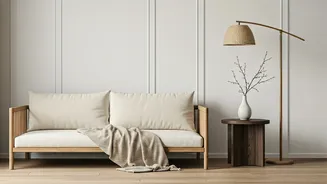
This trend is the antithesis of 'fast furniture.' The idea is to invest in fewer, better things that you’ll love and keep for years, if not decades. A cheap, particle-board bookshelf that serves its purpose might fill a corner, but a single, well-made armchair in a beautiful fabric adds character, comfort, and a story. When you have fewer items, the quality and detail of each one become much more apparent. The texture of the wood grain on a side table, the quality of the upholstery on a chair, the unique form of a floor lamp—these elements become part of the decor. This shift encourages saving for a piece you truly desire rather than impulse-buying something to simply fill a void. It’s a more sustainable and ultimately more satisfying way to furnish a home.
3. Let Your Architecture Breathe
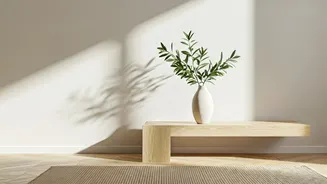
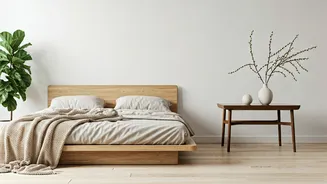
One of the most powerful tools in any designer’s kit is 'negative space'—the empty areas around and between objects. Pushing furniture against every wall and filling every corner can make a room feel smaller and more chaotic. By pulling pieces away from the walls and leaving some corners bare, you allow the room’s architecture to become a feature. A beautiful window, an interesting ceiling height, or elegant archways can shine when they aren’t crowded. This breathing room makes a space feel larger, more serene, and more luxurious. Think of it like a gallery: paintings are hung with ample space around them to command attention. Your furniture deserves the same treatment.
4. Get Smart with Multi-Functional Furniture
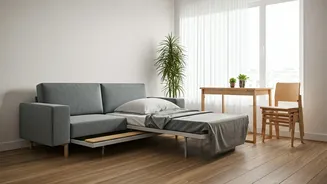
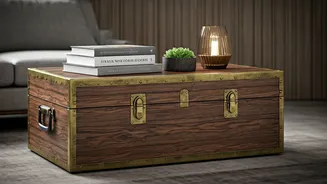
Reducing the sheer number of furniture items doesn't mean sacrificing function. In fact, it encourages smarter choices. Look for pieces that can pull double or even triple duty. An ottoman can serve as a coffee table (with a tray on top), extra seating, and a footrest. A stylish storage bench in an entryway can hide shoes while providing a place to sit. A sleek bar cart can be a side table in the living room one day and a mobile serving station the next. Opting for multi-functional items eliminates the need for several single-purpose pieces, instantly reducing clutter and freeing up valuable floor space. It’s the ultimate combination of practicality and minimalist style.
5. Layer with Texture, Light, and Art
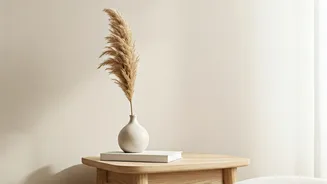
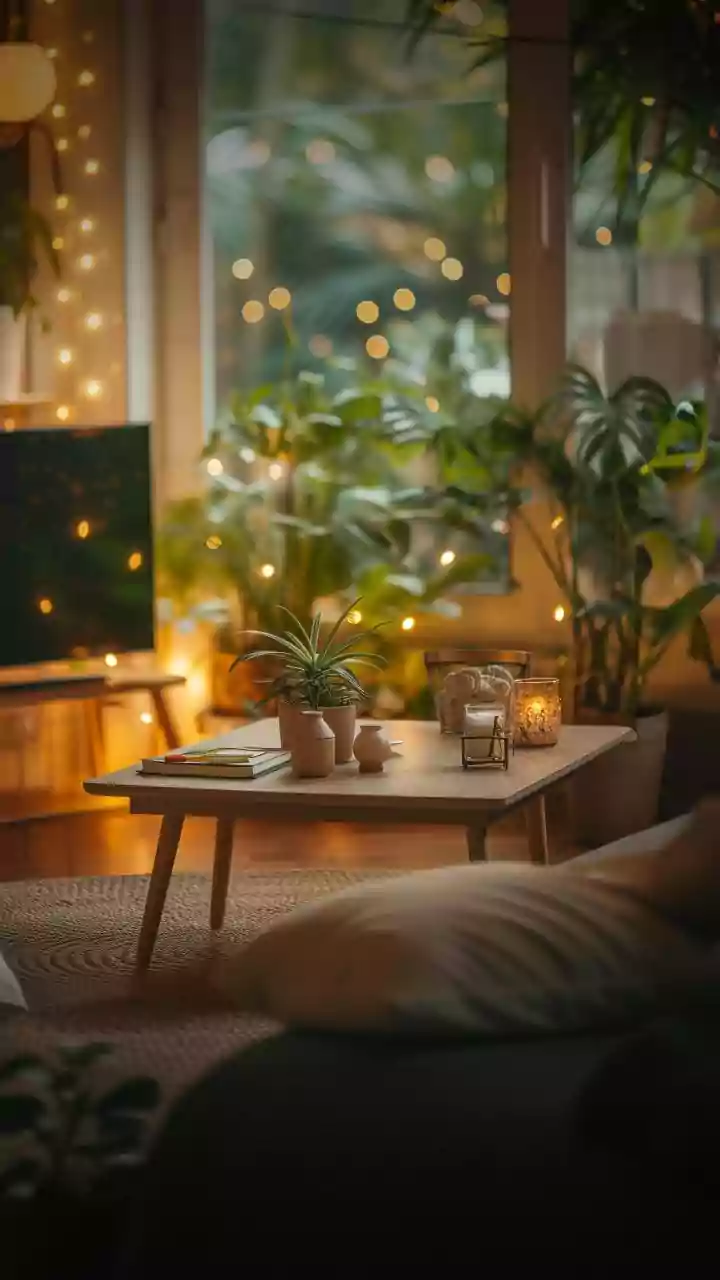
A room with less furniture can risk feeling cold or sterile. The key to avoiding this is to build warmth and interest through other sensory layers. Focus on texture: a chunky knit throw, a high-pile rug, velvet cushion covers, or linen curtains. These elements add depth and comfort without adding bulk. Next, consider lighting. Instead of relying solely on overhead lights, use a mix of floor lamps and table lamps to create warm pools of light that make the space feel intimate and inviting. Finally, use art strategically. One large, impactful piece of art can create a more powerful statement than a gallery wall of smaller, mismatched frames. These non-furniture elements are what give a minimalist space its soul.