






What's Changing in Japan?
Starting this month, Japan has tripled its International Tourist Tax, often called the 'sayonara tax', for all travellers leaving the country. The fee has jumped from 1,000 yen to 3,000 yen per person. This tax is automatically included in your flight
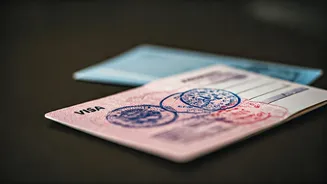
or cruise ticket price, so you won't be caught by surprise at the airport. The government has also sharply increased the cost of applying for a tourist visa for those who need one, with a single-entry visa now costing 15,000 yen, up from 3,000 yen. While many Indian travellers can enter Japan visa-free for short stays, this change impacts those who require a visa for their visit. These changes follow a major 70% price hike for the popular Japan Rail Pass in late 2023, which has already made multi-city travel more expensive.
A Global Trend, Not an Isolated Case
Japan's move is part of a larger global pattern. Destinations worldwide are introducing or increasing tourist fees to manage the impact of 'overtourism', fund infrastructure, and preserve natural and cultural sites. For instance, Venice now charges a fee for day-trippers on peak days, several cities in Spain have increased nightly hotel taxes, and Amsterdam has one of the highest tourist taxes in Europe. In Asia, Kyoto has implemented a new tiered hotel tax, which can be steep for luxury stays, and Thailand has been planning a modest entry fee. These fees, while often small individually, represent a new layer of costs that travellers must factor into their budgets.
Revisit Your International Travel Budget
For Indian travellers planning their first big international trip, these changes mean that old budget estimates might be outdated. A trip to Southeast Asia, for example, might now require a budget closer to ₹70,000 than the ₹50,000 of a few years ago. The key isn't to stop travelling, but to plan more diligently. Start by acknowledging these new costs, from visa fees and departure taxes to nightly tourist levies. These 'hidden' costs can add up, so it's crucial to account for them from the very beginning to avoid stress and overspending during your holiday. Treat budgeting as the first step of your adventure.
Smart Savings Start Before You Fly
The most significant savings happen during the planning phase. Booking flights two to three months in advance can significantly cut down your largest expense. Similarly, being flexible with your travel dates by a few days can unlock much cheaper fares. Travelling during the 'shoulder season'—the months just before or after the peak tourist season—often means better weather, fewer crowds, and lower prices on both flights and accommodation. Also, create a dedicated travel fund. Setting up an automatic monthly transfer to a separate savings account makes it easier to consistently put money aside without feeling the pinch.
Cutting Costs While on Your Trip
Once you're at your destination, you can still make your money go further. Embrace local transportation like buses and metros instead of relying on expensive taxis. This not only saves money but offers a more authentic travel experience. For meals, venture away from the main tourist squares. Eating at local cafes and street food stalls is often cheaper and provides a true taste of the local cuisine. Many cities also offer a wealth of free attractions, from parks and public squares to certain museums and temples. A little research beforehand can help you build an itinerary that is both exciting and economical.