




Why The Step-Up Is A Fitness Essential
The step-up is a fundamental movement that mimics everyday actions like climbing stairs, making it a highly functional exercise. It's a unilateral movement, meaning it works one leg at a time. This is excellent for identifying and correcting strength
imbalances between your left and right sides. The exercise primarily targets the major muscles in your lower half: the quadriceps (front of thighs), hamstrings (back of thighs), and glutes. It also engages your core to maintain balance and stability, making it a comprehensive lower-body workout that's easier on the lower back than many other leg exercises.
Finding Your Surface And Perfecting Form
At a playground, look for a sturdy bench, a low platform, or even the bottom step of a play structure. The ideal height allows your knee to form roughly a 90-degree angle when you place your foot on top. If you're a beginner, start lower. To perform the basic step-up, place your entire right foot firmly on the surface. Drive through your right heel to lift your body up until your right leg is straight, bringing your left foot to meet it. The key is to avoid pushing off with your back leg; the leg on the bench should do all the work. Step down slowly and with control, lowering the left foot first.
Variation 1: The Step-Up with Knee Drive
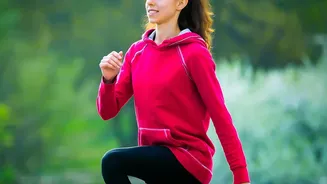
To add an element of core work and explosiveness, incorporate a knee drive. As you step up with your lead leg and reach the top of the movement, drive your opposite knee up toward your chest in a controlled but powerful motion. This variation enhances balance and coordination, making it particularly beneficial for athletes or anyone looking to improve their dynamic stability. Focus on keeping your torso upright and avoiding leaning forward as you drive the knee up. Lower yourself back to the start with control before switching legs.
Variation 2: The Lateral Step-Up
The lateral step-up targets your muscles from a different angle, engaging the inner and outer thighs (adductors and abductors) more directly. Stand sideways to your chosen bench or step. Place the foot closest to the bench onto the surface. Push through the heel of that foot to lift your body sideways onto the bench, keeping your hips and shoulders square to the front. This movement improves hip stability and is excellent for building strength in the frontal plane, which helps with side-to-side movements in sports and daily life.
Variation 3: The Crossover Step-Up
The crossover step-up is another excellent move for targeting the outside of the hips, particularly the gluteus medius, which is crucial for knee stability. Stand to the side of the bench. Instead of stepping on with the leg closest to it, cross your outside leg over your body and place it on the bench. Drive up through the heel of the crossed leg, maintaining your balance as you ascend. This variation challenges your coordination and control in a new way, helping to build a more resilient and stable lower body.
Variation 4: The Weighted Step-Up
Once you have mastered the bodyweight versions with perfect form, you can add resistance to build more strength and muscle. At a playground, the easiest way to do this is to wear a backpack with some books or water bottles inside. Alternatively, you can hold a large, manageable rock or other found object at your chest. Start with a light weight and focus on maintaining the same controlled form as you do with bodyweight. The added load will increase the challenge for your quads, glutes, and core.
Common Mistakes To Avoid
To get the most out of your step-ups, avoid these common errors. First, don't choose a step that is too high; this encourages using momentum and can strain your hips and back. Second, make sure your entire foot is on the platform, not just the toes, for better stability. Third, avoid letting your knee cave inward as you push up; it should track over your middle toes. Finally, control the downward phase. Don't just fall back to the ground; lowering yourself slowly adds to the muscle-building benefit of the exercise.