


The Rise of Window-Seat Wonders
Train travel in India is undergoing a quiet revolution. It’s no longer just about getting from one city to another; it’s about the journey itself. Indian Railways is increasingly becoming a preferred choice for travellers who want to experience the country’s
diverse geography without the premium price tag. This shift is powered by a combination of heritage routes and modern innovations, making scenic vistas more accessible than ever. The core appeal lies in its unparalleled value: for the price of a modest ticket, passengers get to witness landscapes that unfold like a movie outside their window, from misty mountains to sun-drenched coastlines.
Modern Comfort: The Vistadome Experience
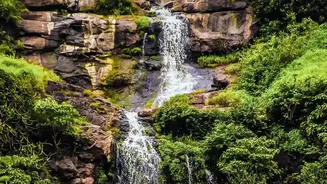
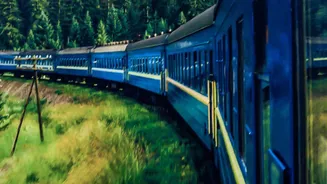
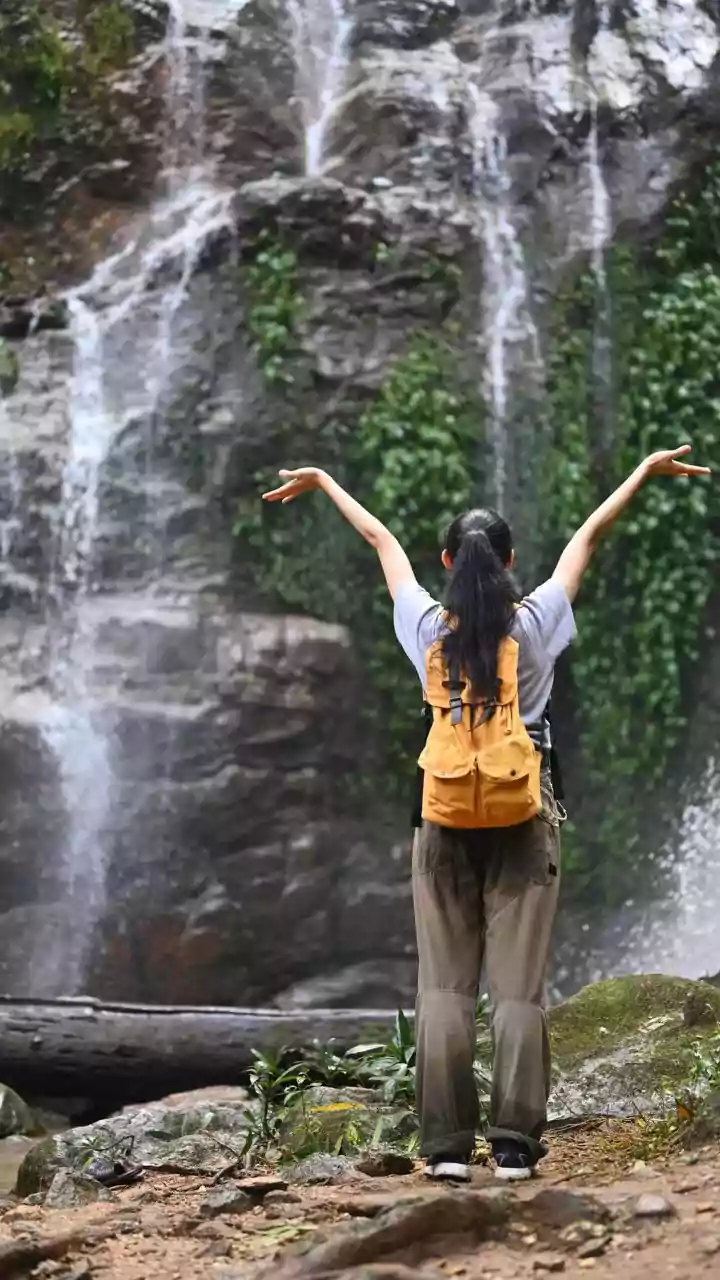
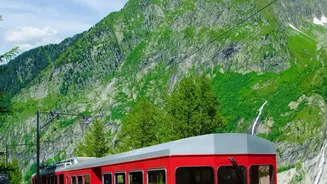
A key driver of this trend is the introduction of Vistadome coaches on several scenic routes. These coaches are designed for sightseeing, featuring large glass windows, transparent roofs, and seats that can rotate 360 degrees. This allows for an immersive viewing experience, whether travelling through the lush Western Ghats on the Mumbai-Goa or Bengaluru-Mangaluru routes or the picturesque Araku Valley in the Eastern Ghats. While the fares are higher than a standard AC chair car, they remain significantly more affordable than air travel, offering a touch of luxury and unparalleled views for a reasonable price. Popular routes like the one between Yesvantpur and Mangaluru showcase the stunning descent through the Sakleshpur Ghats, a region of dense forests and numerous waterfalls.
Nostalgia on Rails: The Toy Trains
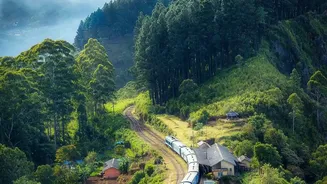
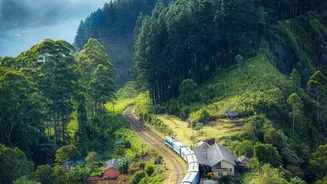
For those who prefer a touch of history and nostalgia, India’s famous “toy trains” offer an unforgettable experience. Three of these mountain railways—the Kalka-Shimla Railway, the Darjeeling Himalayan Railway, and the Nilgiri Mountain Railway—are collectively recognised as a UNESCO World Heritage Site. These narrow-gauge trains, originally built during the British Raj, move at a leisurely pace through some of India's most breathtaking hill stations. The Kalka-Shimla route navigates over 100 tunnels and 800 bridges through pine forests and misty valleys. Similarly, the journey to Ooty on the Nilgiri Mountain Railway, which climbs Asia’s steepest track, offers views of verdant tea plantations and eucalyptus forests. These journeys are incredibly budget-friendly and provide a slow-travel experience that feels like a step back in time.
Coastal and Cross-Country Journeys
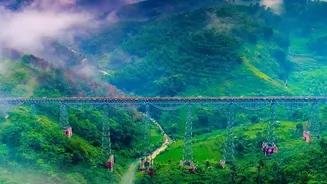
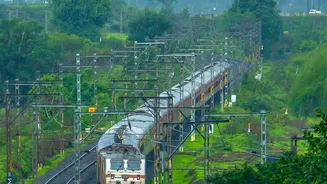
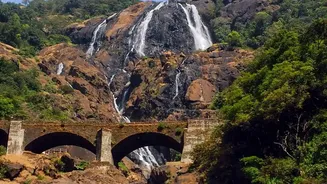
Beyond the mountains, Indian Railways offers spectacular coastal and cross-country routes that are both scenic and economical. The Konkan Railway line, connecting Mumbai to Goa, is legendary, especially during the monsoon when the landscape erupts in vibrant green and countless waterfalls cascade down the Sahyadri Hills. Another remarkable journey is the one from Chennai to Rameswaram, which includes crossing the Pamban Bridge—India’s second-longest sea bridge—offering thrilling views of the ocean on both sides. For a different flavour, the journey from Jammu to Baramulla in Kashmir offers dramatic views of snow-capped peaks and pristine valleys, often described as a ride through 'heaven on earth'. These routes highlight how the rail network connects the country’s diverse terrains affordably.
More Than Just a Cheap Ticket
The budget-friendly nature of rail tourism extends beyond just the ticket price. Overnight journeys save travellers the cost of a hotel room, and the ability to see remote parts of the country up close provides a rich cultural experience that is hard to quantify. Train travel allows for spontaneous interactions, a chance to sample local foods at station stops, and a deeper connection to the rhythm of the country. It is this combination of affordability, scenic beauty, and authentic experience that is cementing rail tourism’s place in the hearts of modern Indian travellers. It proves that sometimes, the richest travel memories come from the most accessible adventures.