





From Quiet Lawns to Open-Air Living Rooms
Urban parks are often seen as quiet escapes from city life—places for a stroll, a picnic, or simply a moment of peace. But what happens when they are underutilised, becoming empty green voids rather than active community centers? Seoul, a city known for its
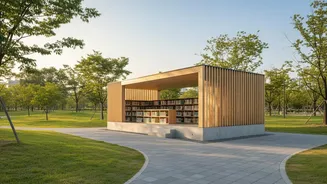
hyper-modernity, faced a similar challenge. In response, the Seoul Metropolitan Government launched the Seoul Outdoor Library initiative in 2022. The idea was simple yet transformative: take the library out of its formal, quiet building and place it directly into the city’s most iconic public squares and parks. This move wasn't just about placing bookshelves on the grass. It was about creating a welcoming, informal environment where anyone could engage with books, culture, and each other without the usual barriers of library membership or silent halls. By providing comfortable beanbags, lounge chairs, and thousands of freely accessible books, Seoul turned its plazas into what many describe as the city's living rooms.
It's Not Just About Books
The success of the initiative lies in its dynamic programming. These outdoor libraries are not passive reading spots; they are bustling cultural venues. Depending on the location, a visitor might find a live jazz concert, an evening film screening, a literary talk with an international author, or a children's play area. The program is intentionally diverse. For example, the space at Gwanghwamun Square often features live music and cultural performances, creating a festive atmosphere. The location along the Cheonggyecheon Stream is designed for a quieter, more immersive reading experience. Meanwhile, Seoul Plaza frequently hosts family-oriented events and large-scale festivals. This variety ensures that the parks appeal to a wide demographic, from students and couples to families and tourists. The city even collaborates with foreign embassies and cultural centers to host international book exhibitions and cultural exchange programs, further enriching the experience for visitors.
A Resounding Success Story
The results speak for themselves. Since its launch in 2022, the Seoul Outdoor Library has attracted millions of visitors, with cumulative visits reaching over six million. Visitor satisfaction is consistently high, with a recent survey showing a 96.6 percent satisfaction rate. The initiative has been credited with revitalising a culture of reading in an age of digital distraction and fostering a stronger sense of community. The project’s impact has been so significant that it received international accolades and has inspired dozens of other municipalities across South Korea to adopt similar models. Voted the number one most-loved public policy by Seoul's own citizens in 2025, the project demonstrates a deep public appreciation for accessible, engaging cultural spaces. It operates on a foundation of civic trust, with book loss rates of less than 1%, proving that open, shared resources can be managed successfully.
A Blueprint for Indian Cities?
The Seoul model offers a compelling blueprint for urban centers in India grappling with similar issues of activating public spaces. Many Indian cities possess beautiful parks and public grounds that are either underused or lack the programming to draw diverse crowds. By reimagining these areas as platforms for cultural engagement, cities could unlock immense social value. The approach doesn't require massive infrastructural spending; rather, it relies on creative, community-focused programming. Imagine local literary festivals, open-air music performances, storytelling sessions for children, and artisan markets taking place in city parks. This approach also aligns with making public spaces safer and more inclusive. The constant, positive activity deters neglect and anti-social behaviour, making parks more welcoming for everyone. Seoul's initiative has even specifically included programs designed to attract foreign visitors, including a partnership with India, which could be a model for boosting cultural tourism.