








Why Your Body Needs a Monsoon Menu
As the skies open up, our bodies undergo a subtle shift. The humidity can make our digestive system sluggish, a phenomenon traditional Indian medicine has long recognised. According to Ayurveda, the body's digestive fire, or 'Agni', weakens during the rainy
season. This makes us more susceptible to indigestion, bloating, and other gastric issues. Furthermore, the damp environment is a perfect breeding ground for bacteria and viruses. Contaminated water and food become major culprits for infections like typhoid, cholera, and gastroenteritis. This is why monsoon eating is a two-pronged strategy: first, to ensure impeccable hygiene, and second, to eat foods that are light, easy to digest, and help manage the body's internal environment.
The Hygiene Imperative: Your First Line of Defence
During monsoon, even the most inviting street food can be a health risk. The water used might be contaminated, and the high humidity allows bacteria to multiply rapidly on cut fruits and other raw ingredients. It’s wisest to limit or avoid street-side chaat, juices, and kulfi. Leafy green vegetables like spinach and cabbage can be problematic too. They grow in damp, muddy conditions and their many layers can trap dirt and tiny insects, making them difficult to clean thoroughly. If you do eat them, ensure they are blanched in hot water before cooking. Opt for well-cooked, hot meals. The heat kills most harmful germs. Washing your hands thoroughly before eating and ensuring all vegetables and fruits are cleaned with care—perhaps with a solution of vinegar or potassium permanganate—is non-negotiable.
Decoding 'Heat' and 'Cold' Foods
The concept of 'hot' and 'cold' foods in this context doesn't refer to their temperature but their effect on the body after digestion. Monsoon is considered a time when 'Vata' (air element) is aggravated, leading to issues like joint pain and indigestion. The diet should aim to pacify this. Foods that are considered 'hot' in nature, like ginger, garlic, pepper, and turmeric, are excellent for this season. They stoke the digestive fire, improve circulation, and have powerful anti-inflammatory and antibacterial properties. A warm bowl of soup seasoned with these spices is not just comforting but medicinal. Conversely, 'cold' foods like curd (dahi) and certain raw salads can increase mucus and slow down digestion, making them less ideal. If you must have curd, have it at room temperature during the day, perhaps with a pinch of black pepper.
What to Add to Your Plate
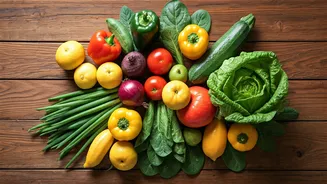
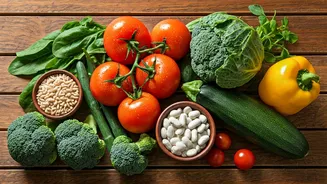
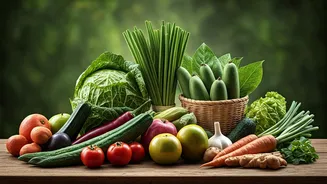
Focus on seasonal vegetables that have a lower water content and are easy to digest. Gourds like lauki (bottle gourd), tinda (apple gourd), and parwal (pointed gourd) are excellent choices. Bitter vegetables like karela (bitter gourd) and herbs like neem are highly recommended for their ability to ward off infections. For carbohydrates, opt for old rice, barley, and corn, which are lighter on the stomach. Lentils and pulses in the form of warm, thin dals or soups like moong dal soup provide essential protein without taxing your system. When it comes to fruits, stick to seasonal options like pomegranates, plums, and cherries. Steamed preparations, soups, and broths should be your go-to cooking methods over heavy, oily frying.
Foods to Reduce or Avoid
Just as important as what you eat is what you avoid. Heavy, fried foods like pakoras and samosas, while tempting on a rainy day, are extremely difficult to digest and can lead to bloating and acidity. Reduce your intake of dairy products, especially heavy cheeses and full-fat milk. As mentioned, leafy greens require extra caution. Seafood can also be risky, as this is the breeding season for many fish, and the risk of contamination is higher. Similarly, mushrooms, which grow in damp soil, can absorb toxins and should be consumed with care from a reliable source. The key is to keep your meals light, warm, and freshly prepared to give your digestive system the support it needs.