







Create a Detailed Festival Budget
The first step to managing your spending is knowing where your money needs to go. Before you start shopping, create a comprehensive festival budget. List all expected expenses, such as gifts for family and friends, new clothes, home decor, sweets, travel,
and even charitable donations. Assign a realistic spending cap to each category. This exercise isn't about restricting your joy; it's about gaining control and clarity. Having a clear plan empowers you to spend freely within your limits, knowing that your essential financial commitments are secure. Many experts suggest treating this budget as your starting point to avoid the common trap of unintentional overspending that can turn festive cheer into financial strain.
Start a Dedicated Festival Fund
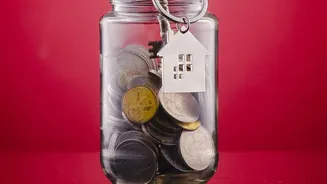
One of the most effective ways to avoid festive debt is to save for it in advance. This strategy is often called creating a 'sinking fund'—a pool of money set aside for a specific, known expense. Months before the season begins, start putting a small portion of your income into a separate savings account dedicated solely to festival spending. You can automate this process by setting up a recurring deposit that matures just before the festivities kick off. Celebrating with money you've already saved feels far more rewarding than celebrating on borrowed money or credit. This proactive approach turns a large, irregular expense into a manageable monthly habit, ensuring you have the cash on hand when you need it most.
Make a 'Must-Buy' vs 'Nice-to-Have' List
Festive sales and discounts are designed to trigger impulse purchases. To counter this, arm yourself with a well-defined shopping list. Before you even look at the offers, divide your list into two columns: 'must-buys' and 'nice-to-haves'. Must-buys are the non-negotiable items essential to your celebrations. Nice-to-haves are the extras you might consider if your budget allows. This simple prioritisation helps you focus on what truly matters. When you're in a store or browsing online, stick strictly to your 'must-buy' list first. If you have funds left over after securing the essentials, you can then consider an item from your secondary list. This prevents emotional spending and ensures your budget is allocated effectively.
Plan for Invisible and Last-Minute Expenses
A good budget accounts for the unexpected. During the festive season, 'invisible' costs can quickly add up. These include expenses like extra transportation for shopping trips, packaging for gifts, tips or bonuses for domestic help, and impromptu gatherings with friends. Financial experts recommend building a small buffer—around 10-15% of your total budget—to cover these unplanned expenditures. This prevents you from having to dip into your regular savings or rely on credit cards when a surprise cost arises. Planning for these smaller, often-forgotten expenses ensures your budget remains resilient and you can handle last-minute needs without stress.
Pay with Cash or Debit, Not Just Credit
While credit cards offer rewards and convenience, they also make it easy to lose track of spending. A powerful psychological trick is to use cash or a debit card for most of your festival purchases. When you physically hand over cash, you are more conscious of how much you are spending. Before heading out to shop, withdraw the amount you've budgeted for that trip and leave your credit cards at home. This forces you to stick to your limit, as you can't spend money you don't have with you. If you do use a credit card for its discounts or rewards, make sure you have a plan to pay the balance in full to avoid high-interest debt that can linger long after the celebrations are over.