




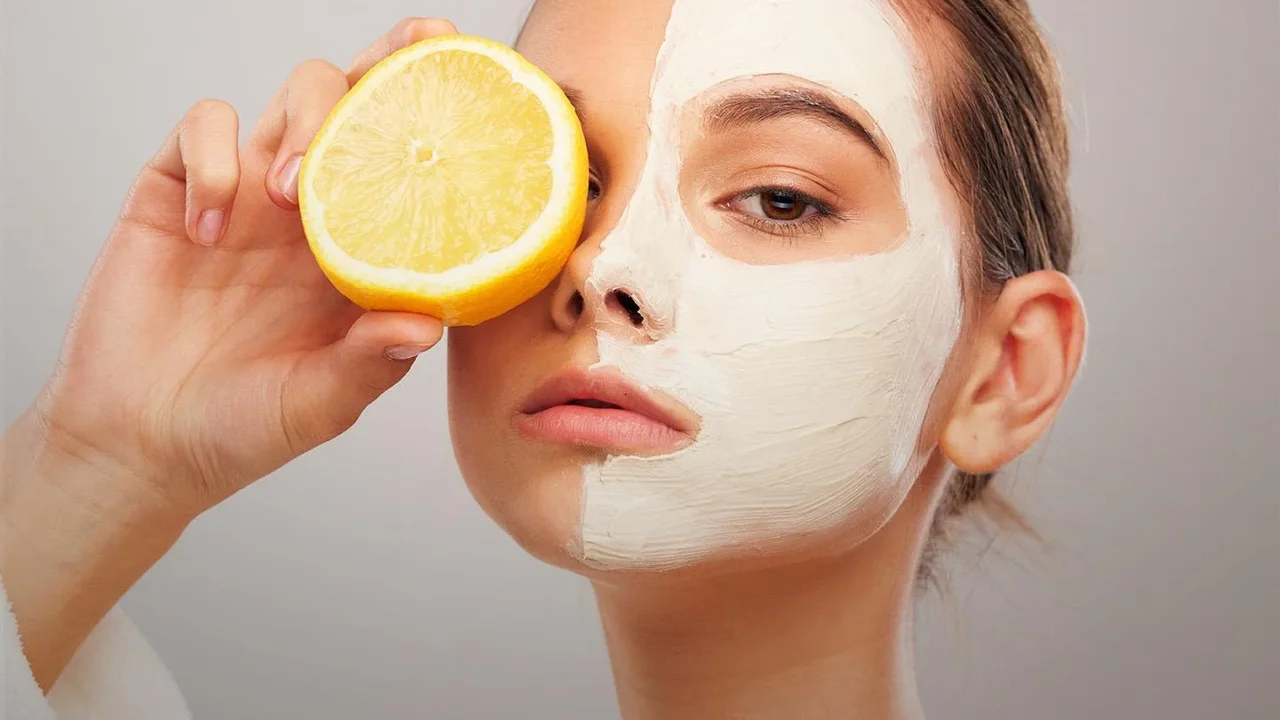

Cleanse Gently, But Thoroughly
High humidity means more sweat and oil on the skins surface, which can trap pollutants and bacteria. Dermatologists recommend cleansing your face twice daily with a gentle, pH-balanced cleanser to remove this buildup without stripping your skins natural
moisture barrier. Over-washing can backfire, causing your skin to produce even more oil to compensate. Look for gel-based or mild foaming cleansers, perhaps with salicylic acid if you are prone to breakouts, as it helps dissolve oil and keep pores clear. For those who wear makeup or water-resistant sunscreen, a double cleanse in the evening—starting with an oil-based cleanser to break down products, followed by a water-based wash—is highly effective.
Exfoliate with Care
With the increased buildup of sweat, oil, and dead skin cells, exfoliation becomes crucial to prevent clogged pores. However, harsh physical scrubs can damage the skin barrier, leading to irritation and more breakouts. Instead, opt for gentle chemical exfoliants containing Alpha Hydroxy Acids (AHAs) or Beta Hydroxy Acids (BHAs) like salicylic acid. These work to dissolve the bonds holding dead cells to the surface, revealing brighter skin and preventing congestion. Using such exfoliants two to three times a week is generally sufficient; daily use can lead to over-stripping and sensitivity.
Embrace Lightweight Hydration
Its a common myth that oily, sticky skin in the monsoon doesnt need a moisturiser. In fact, skipping this step can dehydrate your skin, prompting it to produce even more oil. The key is to switch from heavy creams to lightweight, non-comedogenic (non-pore-clogging) formulas. Gel-based or water-based moisturisers are ideal for humid weather. Look for ingredients like hyaluronic acid, which hydrates without adding grease, and niacinamide, which helps regulate oil production and strengthen the skin barrier.
Don't Skip Sunscreen on Cloudy Days
Even when the sky is overcast, up to 80% of the suns harmful UV rays can penetrate the clouds, causing skin damage, hyperpigmentation, and worsening acne marks. Sunscreen is a non-negotiable step in your monsoon routine. Choose a broad-spectrum formula with at least SPF 30. For humid conditions, lightweight gel, fluid, or matte-finish sunscreens are most comfortable, as they are less likely to feel greasy or heavy on the skin. Water-resistant formulas offer better protection if you get caught in the rain or sweat a lot.
Prevent Fungal and Bacterial Infections
The damp, warm environment of the monsoon is an ideal breeding ground for fungal and bacterial infections, such as ringworm or folliculitis. These often appear as small, itchy bumps on the chest, back, and forehead. To prevent them, prioritise hygiene. Bathe daily and always change out of damp clothes or wet footwear as soon as possible. Thoroughly dry your skin, especially in folds like underarms and between the toes. Wearing breathable cotton fabrics and using an antifungal powder in sweat-prone areas can provide an extra layer of protection.
Adjust Your Diet and Lifestyle
What you consume can also impact your skins health during this season. Staying hydrated by drinking plenty of water helps flush toxins from your body. Supporting your skin from within by eating a balanced diet rich in fruits and vegetables can also help manage inflammation. Furthermore, basic hygiene practices like regularly changing your pillowcases, cleaning your phone screen, and avoiding touching your face can significantly reduce the transfer of bacteria and oil, helping to keep breakouts at bay.