





Nitesh Tiwari's cinematic retelling of 'Ramayana' is not just a film; it's a global phenomenon. Smashing box office records worldwide, its success is being powered by a potent combination of ancient story and futuristic filmmaking technology.
A Spectacle of Unprecedented Scale
Long before
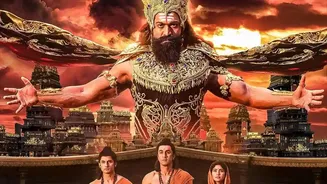
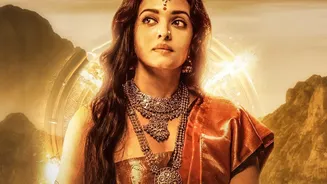
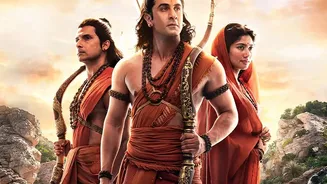
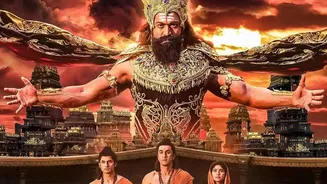
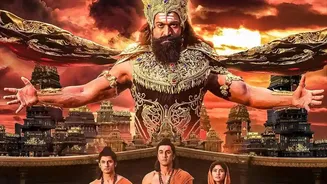
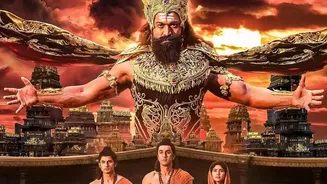
its release, 'Ramayana' was positioned as one of the most ambitious and expensive films ever to emerge from India. With a reported budget stretching into thousands of crores for its two parts, the producers aimed for a scale that could rival Hollywood's biggest epics. Director Nitesh Tiwari and producer Namit Malhotra envisioned a cinematic experience that would do justice to the beloved epic, translating its legacy into a visual language for a new generation. The production brought together a star-studded cast including Ranbir Kapoor as Lord Rama, Sai Pallavi as Sita, and Yash as Ravana, uniting talent from across Indian cinema to create a true pan-Indian event film. The project's global ambition was clear from the start, with a premiere at the Academy Museum of Motion Pictures in Los Angeles and a strategic worldwide release designed to capture a broad international audience beyond the diaspora.
The VFX Revolutionizing Indian Cinema
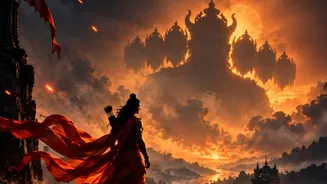
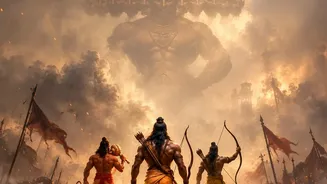
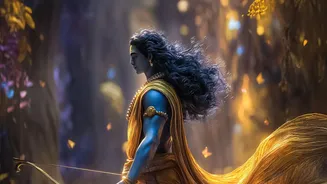
The true star of 'Ramayana' is its groundbreaking visual effects. Helmed by DNEG, the Oscar-winning studio behind blockbusters like 'Dune' and 'Interstellar', the film's VFX has been a topic of intense discussion. The goal was to create immersive, photorealistic worlds, from the divine kingdom of Ayodhya to the sprawling, dark realm of Lanka. This required years of work, with some complex sequences taking nearly three years to perfect. The filmmakers have seamlessly blended practical sets with sprawling digital environments and computer-generated creatures to build a cohesive universe. While early teasers sparked debate, the full theatrical experience, especially in 3D, has drawn praise for its intricate detail and overwhelming sense of scale. This effort has already gained international recognition, with the film being shortlisted for Best Visual Effects at the Critics Choice Awards, a significant milestone for an Indian production.
An Ancient Story for a Modern Audience
While the technology is futuristic, the story remains timeless. 'Ramayana' succeeds because it uses its visual spectacle to enhance the emotional core of the epic—themes of duty, sacrifice, and the eternal battle between good and evil. Tiwari's direction aims to strike a balance, ensuring that the spectacle serves the story rather than overwhelming it. The film has resonated with audiences familiar with the epic as well as those new to the story, proving its universal appeal. By presenting the narrative with a cinematic sophistication on par with global franchises, 'Ramayana' is making a case for Indian mythology as a powerful source of universal stories. Its success demonstrates that audiences worldwide are receptive to these tales when presented with conviction and visual grandeur.
Dominating the Global Box Office
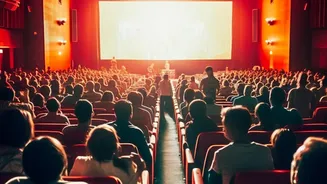
The film's ambitious strategy has paid off handsomely. As of late November 2026, 'Ramayana: Part One' has grossed over ₹1,735 crore worldwide, making it one of the highest-grossing Indian films of all time. Its performance has been exceptionally strong not just in India, where it has collected over ₹1,162 crore, but also in international markets, which have contributed over ₹573 crore to the total. In North America, the film set new records for an Indian release, and it became the first Indian film to top the U.K. box office. This strong overseas performance, accounting for roughly a third of its total earnings, confirms that the film's appeal has successfully crossed cultural and linguistic borders, setting a new benchmark for Indian cinema's global reach.