


From Sightseeing to Soul-Searching
A fundamental change is reshaping how Indians explore their own country. The era of passive sightseeing is giving way to a desire for active, immersive experiences. According to a recent report from global travel app Skyscanner, a remarkable 67% of Indian travellers
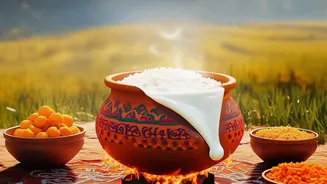
now plan their holidays around cultural experiences like heritage, festivals, and food. This isn't just about seeing a monument; it's about connecting with its story. Another 84% of travellers admitted their interest in culture-led domestic travel has grown significantly in recent years. The motivation is clear: a search for authenticity and a deeper connection to India's diverse traditions. Experts note that the question is no longer just "Where should I go?" but has become "What do I want to experience?". This shift indicates that the destination is now chosen to fit the desired experience, whether it's witnessing a grand festival or exploring ancient ruins.
The Heritage Hotlist
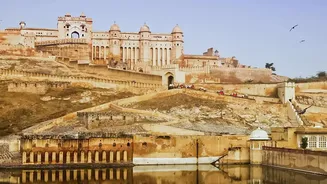
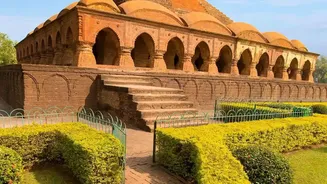
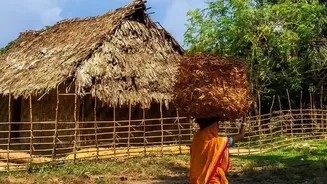
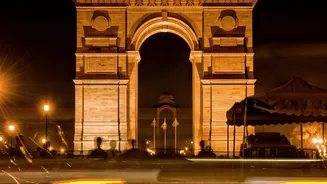
Heritage sites have emerged as the single biggest draw, with nearly half of all travellers saying they would plan a trip specifically around historical landmarks. This renewed interest is breathing life into ancient cities and monuments across the country. Destinations like Kerala, Rajasthan, and Uttarakhand are seeing a surge in popularity due to their rich architectural landmarks and living traditions. But the interest goes beyond the usual suspects. Data shows that one in four travellers are now venturing into Tier 2 and Tier 3 towns, seeking out lesser-known heritage experiences far from the metro circuit. Government initiatives like 'Dekho Apna Desh' have also played a role in encouraging Indians to explore the wealth of history in their own backyard.
Festival Fever Grips the Nation
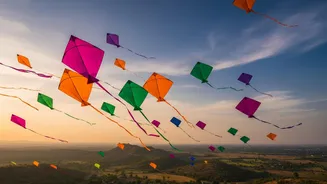
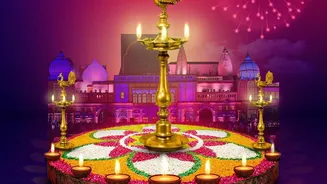
Alongside ancient stones, the vibrant energy of festivals is proving to be a powerful magnet for domestic tourists. An overwhelming 72% of Indian travellers say they would consider planning an entire holiday just to attend a major cultural or religious festival. Events like Kolkata’s Durga Puja, Ganesh Chaturthi across Maharashtra, and Navratri Garba in Gujarat are no longer just local celebrations; they are major travel drivers. For many, particularly younger travellers, the appeal lies in participation. It's about being part of the celebration—dancing, feasting, and immersing oneself in the rituals—rather than simply watching from the sidelines. This trend highlights a desire for community and shared experiences that a typical vacation might not offer.
The Digital Pilgrim's Path
This cultural renaissance in travel is being heavily fueled by the digital world. Social media, especially platforms like Instagram and YouTube, are the biggest drivers influencing this new wave of travel, cited by 42% of travellers as a source of inspiration. The visual and narrative power of these platforms transforms historical sites and cultural events into compelling, shareable experiences. Younger generations, particularly Millennials and Gen Z, are leading this charge. For them, a trip's value is often measured in story-worthy moments and the ability to share unique cultural encounters online. This has made heritage 'cool' again, turning ancient forts and traditional festivals into sought-after backdrops for a new generation of digital storytellers.