

The Urban Glow We're Fleeing
Look up at the night sky from Mumbai, Delhi, or Bengaluru, and you’ll be lucky to count a dozen stars. This isn't just haze; it's light pollution, a pervasive form of environmental degradation that has stolen the cosmos from urban India. Major metropolitan
areas are now 40 to 50 times brighter than a natural, unlit environment. This constant, artificial brightness, largely from unregulated LED lighting and commercial sprawl, does more than just obscure the stars. Studies increasingly link excessive artificial light at night to a host of health issues, including disrupted sleep cycles, mood disorders, and even metabolic problems. The perpetual twilight of city life means our bodies and minds rarely experience true restorative darkness, creating a deep-seated craving for a natural night.
A Search for Wellness and Wonder
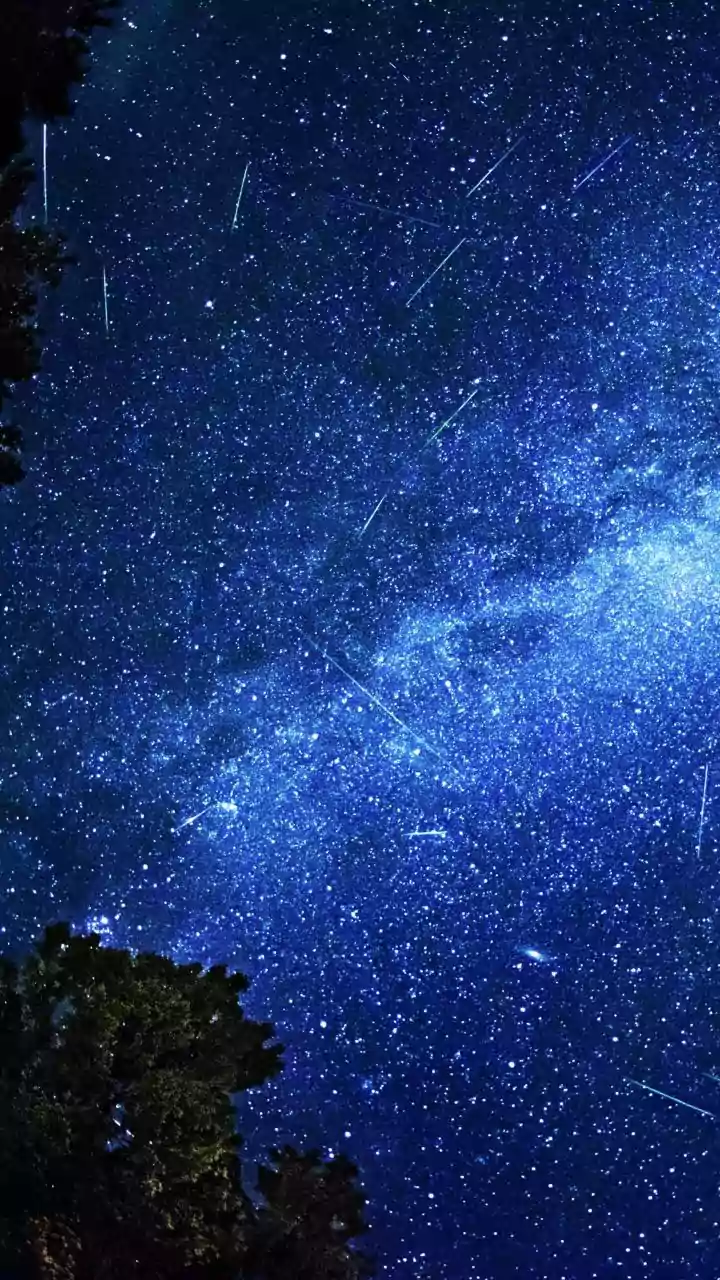
The movement toward dark-sky destinations is more than a niche hobby for amateur astronomers; it's becoming a mainstream wellness pursuit. For many urban travellers, the journey is a conscious effort to disconnect from overstimulated city life and reconnect with something fundamental. The profound silence and humbling scale of a star-filled sky offer a powerful antidote to digital fatigue and daily stress. Tour operators report a surge in demand from city residents willing to travel hundreds of kilometres for the simple, profound experience of seeing a meteor shower or the Milky Way's gentle arc. This is not just about astronomy; it's about finding tranquility, a sense of wonder, and reclaiming a part of nature that modernity has taken away. For older generations, it’s also a nostalgic journey to relive the star-filled skies of their childhood.
India's Celestial Sanctuaries
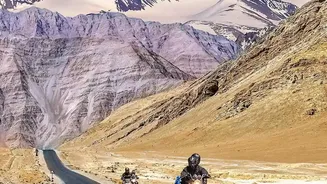
Fortunately, India's diverse geography offers several world-class locations for this celestial pilgrimage, especially during the clear, dry winter months. The undisputed crown jewel is the Hanle Dark Sky Reserve in Ladakh, India's first officially designated sanctuary for pristine night skies. Situated at a high altitude, its thin, clean air provides extraordinary clarity. Since its designation, visitor numbers to the remote village have surged, demonstrating the powerful draw of a protected night sky. But Ladakh is not the only option. The cold, high-altitude desert of Spiti Valley in Himachal Pradesh offers similarly breathtaking views. In the west, the white salt desert of Gujarat's Rann of Kutch provides a surreal stargazing experience between November and February, where the flat expanse can create the illusion of being suspended between the sky above and its reflection below. Other emerging destinations include Coorg in Karnataka and parts of the Rajasthan desert near Jaisalmer.
The Allure of the Astro-Photograph
Driving this trend is also the rise of the astro-photographer. Social media platforms, particularly Instagram, are filled with stunning images of the Milky Way arching over dramatic landscapes, inspiring a new generation of travellers. The desire to capture these otherworldly shots has turned stargazing from a passive activity into an active, creative pursuit. Tour companies and resorts are responding to this by offering workshops on night-sky photography, teaching travellers the skills to capture their own slice of the cosmos. This visual appeal makes the abstract concept of 'dark skies' tangible and highly desirable, fuelling a cycle of inspiration and travel that continues to grow the movement.
How to Plan Your Winter Star-Chasing Trip
A successful dark-sky trip requires a bit of planning. The winter months, from October to March, are generally optimal for most destinations in India due to clear, stable skies and the absence of monsoon clouds. However, for high-altitude locations like Ladakh and Spiti, the accessible window is typically summer, from May to September. For the best stargazing, plan your trip around the new moon, when the sky is at its darkest. Pack warm, layered clothing, as even desert locations can get very cold at night. While you can enjoy the view with your naked eyes, a pair of binoculars can dramatically enhance the experience, revealing craters on the moon and the moons of Jupiter. Many destinations now have local guides, trained as 'Astronomy Ambassadors', who can enrich your viewing with telescopes and cosmic storytelling.