






Start With a Clear Financial Plan
The key to a stress-free festival is to plan before you spend. Begin by setting a total budget for all Ganeshotsav-related expenses. This figure should be realistic and based on what you can comfortably afford without dipping into essential savings or relying
on credit. Break this main budget down into categories: the idol, decorations, puja essentials, food, and other celebration costs. Allocating a specific limit for each category helps prevent impulse buys and keeps your spending on track. Many financial experts suggest creating a dedicated festival fund months in advance, setting aside a small amount from your monthly income. This proactive approach ensures the money is ready when you need it, avoiding last-minute financial pressure.
Smart Savings on Decorations
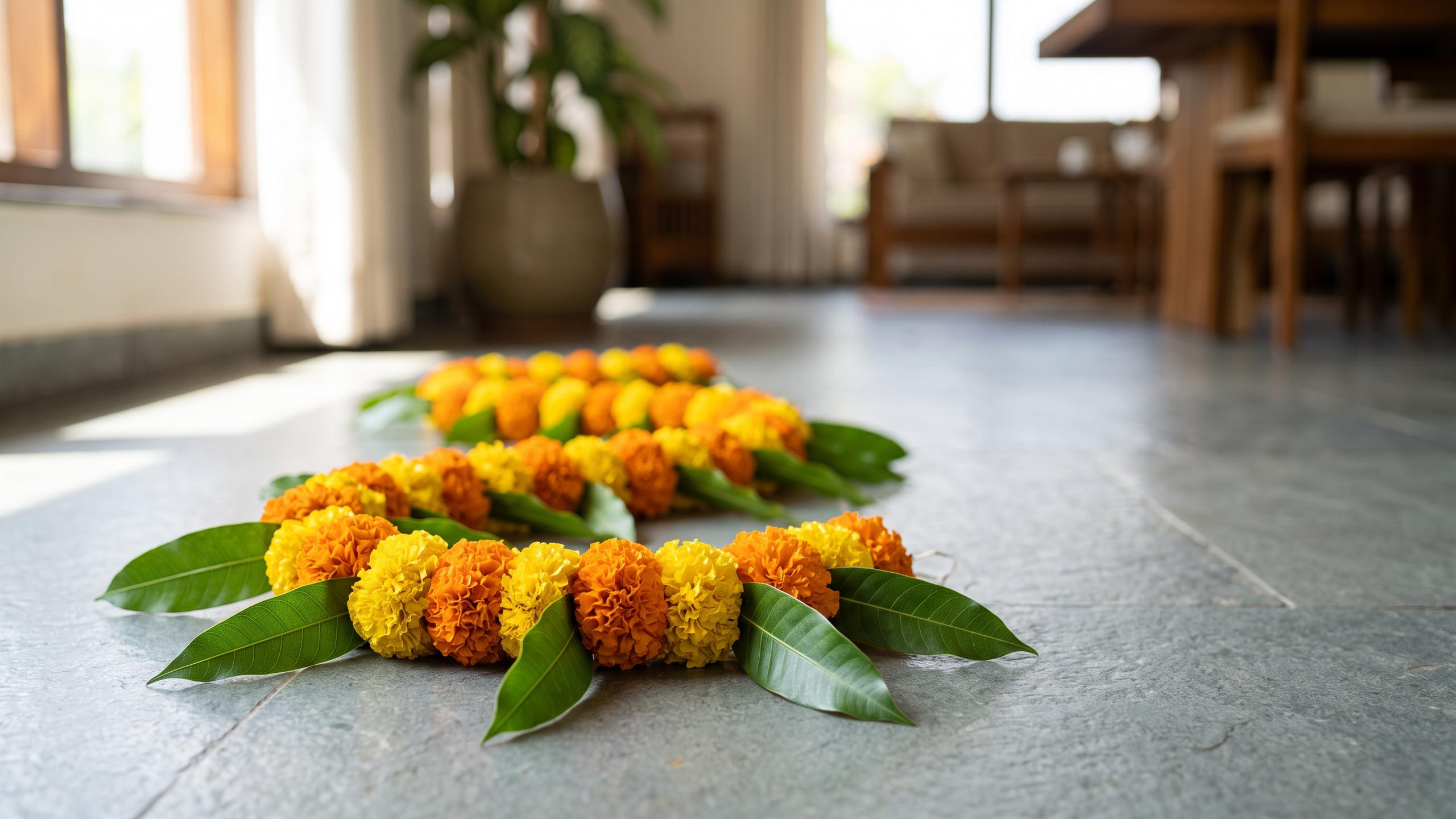
Decorations set the festive mood, but they don't have to be expensive. One of the most effective ways to save is by going the DIY route. Simple, creative decorations can be made at home using paper, clay, and other craft materials. Another budget-friendly tip is to reuse items from previous years. Lights, torans, and other non-perishable decor can often be repurposed. You can also give your home a festive makeover by using colourful sarees and dupattas as backdrops or drapes for the mandap. Using natural elements like fresh flowers, leaves, and earthen diyas is both cost-effective and aesthetically pleasing. These elements add a traditional and vibrant touch while being kinder to your wallet.
Choosing a Ganpati Idol Wisely
The Ganpati idol is the heart of the celebration, and its cost can vary significantly. Traditional idols made from Plaster of Paris (PoP) are often cheaper and more widely available. However, they are not biodegradable and can harm the environment upon immersion. Eco-friendly idols, typically made from natural clay (shadu mati) or other biodegradable materials, are a more sustainable choice. While they might have a slightly higher upfront cost due to the craftsmanship involved, their prices have become more accessible, with smaller idols available for modest budgets. Some innovative options even include seeds within the clay, which can be planted after immersion, turning the visarjan into an act of creation.
Managing Food and Feasting Expenses
Food is central to any Indian festival, and Ganeshotsav is no exception. To manage costs, plan your menu in advance. Making traditional sweets like modaks and laddoos at home is not only a cherished family activity but also significantly cheaper than buying them from stores. When hosting guests, consider organising a potluck where family members contribute different dishes. This distributes the cost and effort, making gatherings more manageable. Buying non-perishable grocery items and dry fruits in bulk from wholesale markets ahead of the festival season can also lead to substantial savings, as prices tend to spike closer to the celebration dates.
Accounting for Celebrations and Other Costs
Beyond the core expenses, your budget should also account for other costs associated with celebrations. This includes expenses for new clothes, gifts for family and friends, and donations. To avoid overspending, have an open discussion with your family to set realistic expectations. Instead of extravagant presents, consider thoughtful, homemade gifts or useful items. When it comes to clothing, look for off-season sales or explore thrift stores for unique finds. Planning these miscellaneous expenses ensures that every aspect of the celebration is accounted for, preventing your budget from going off track.