




Green vs. Black: Know Your Spice
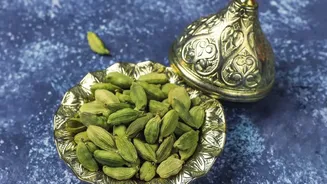
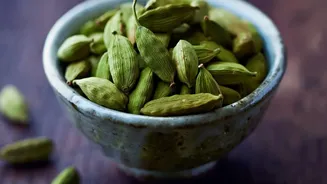
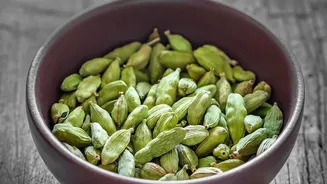
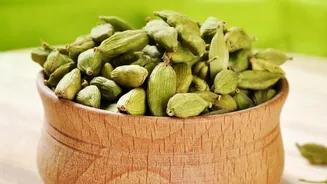
First things first: not all cardamom is created equal. When a recipe simply calls for 'cardamom', it almost always means green cardamom. Green cardamom pods (choti elaichi) are harvested before they mature, resulting in a complex flavour that is sweet,
floral, and slightly citrusy. This makes it incredibly versatile, working beautifully in both sweet and savoury dishes, from Scandinavian buns and Indian kheer to fragrant biryanys. Black cardamom (badi elaichi), on the other hand, is a different species altogether. The larger, darker pods are dried over an open flame, giving them a powerful, smoky, and earthy flavour with notes of camphor and menthol. This variety is strictly for savoury, slow-cooked dishes like hearty stews and rich lentil curries where its robust character can add profound depth. The two are not interchangeable; using black cardamom in a dessert would be a smoky mistake.
Technique is Everything
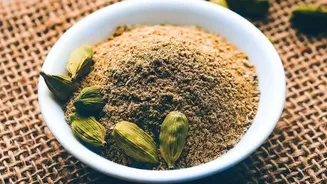
The key to controlling cardamom's intensity lies in how you prepare it. You have three main options. For a slow, subtle infusion, add whole, lightly crushed pods to simmering liquids like rice, stocks, or milk. This allows the flavour to release gently, and you can remove the pods before serving, much like a bay leaf. For a stronger, more immediate flavour in dishes like curries or chai, cracking the pod open exposes the flavour-packed seeds inside. The most potent method is to split the pods, remove the tiny black seeds, and grind them fresh in a spice grinder or mortar and pestle. This is ideal for baking, where you need even distribution. As a rule of thumb, about 10-12 pods will yield roughly one teaspoon of ground cardamom. A pro tip: lightly toasting the whole pods in a dry pan for a minute or two before grinding them can deepen their flavour, adding a nutty complexity.
Start Simple, Go Slow
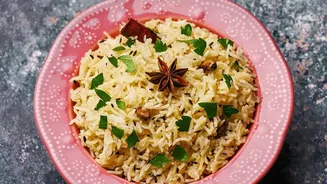
If you're new to cardamom, the best approach is to start with simple applications where its flavour can be easily appreciated without overwhelming. A single crushed green pod added to the water while cooking basmati rice will lend a beautiful, subtle fragrance. Add one or two pods to your coffee grounds before brewing for a classic Middle Eastern-style coffee, or simmer a few with milk and tea leaves for a simple masala chai. For a sweet treat, try making a simple syrup by simmering equal parts sugar and water with a few crushed pods. Once strained, this syrup is a fantastic addition to lemonade, iced tea, or drizzled over fresh fruit or yogurt. In baking, you can often substitute cardamom 1:1 for cinnamon or nutmeg in recipes for a fresh twist.
Perfect Flavour Pairings
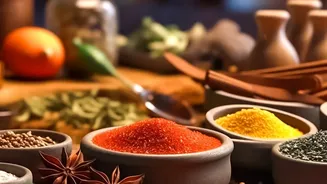
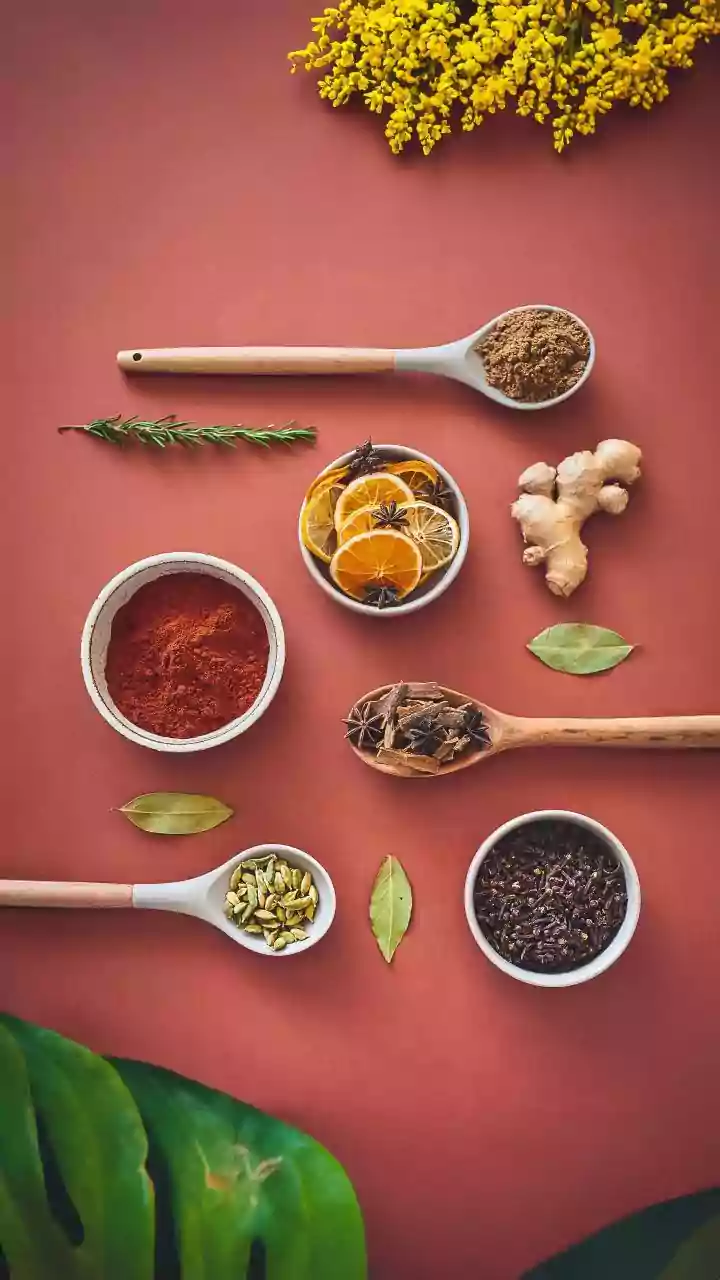
Cardamom's complex profile allows it to pair beautifully with a wide range of ingredients. It naturally harmonises with other warm spices like cinnamon, nutmeg, cloves, and ginger. In savoury dishes, it's a classic partner for cumin and coriander, forming the aromatic base of many curries and spice blends like garam masala. For sweets, its floral notes are enhanced by vanilla and rosewater. It stands up well to the acidity of citrus fruits like orange and lemon, and complements the sweetness of fruits like apples, pears, plums, and apricots. It also has a strong affinity for nuts, especially pistachios and almonds, and dairy, shining in everything from rice pudding and custards to a simple whipped cream.