





How They're Made: A Tale of Two Processes
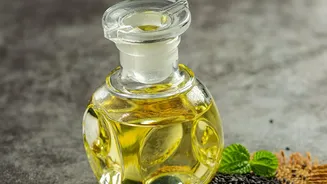
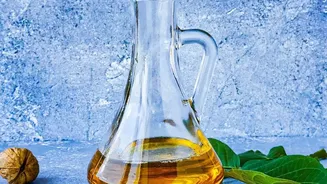
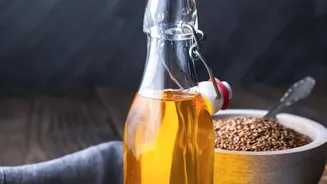
The fundamental difference between cold-pressed and refined oils lies in their extraction method. Cold-pressed oils, as the name suggests, are extracted by mechanically crushing seeds or nuts at a low temperature, without the use of high heat or chemical
solvents. This gentle process, often called 'kachi ghani' in India, helps the oil retain its natural flavour, aroma, and, most importantly, its nutritional compounds. Refined oils, on the other hand, undergo a multi-stage industrial process. This often involves high heat and chemical solvents (like hexane) to extract the maximum amount of oil. Afterwards, the oil is typically neutralised, bleached, and deodorised to create a product with a neutral taste, uniform colour, and longer shelf life. While effective for mass production, this intensive process strips away many of the oil's natural nutrients.
The Smoke Point Showdown
An oil's smoke point is the temperature at which it begins to break down and produce a visible smoke. Cooking an oil past its smoke point not only creates a bitter taste but can also release harmful compounds called free radicals. This is where refined oils have a distinct advantage. The refining process removes impurities that would otherwise cause the oil to smoke at lower temperatures. As a result, refined oils like sunflower, canola, and rice bran oil have high smoke points (often above 220°C), making them stable and suitable for high-heat cooking methods like deep frying and searing.
Cold-pressed oils generally have lower smoke points. For instance, cold-pressed sunflower oil smokes at around 107°C, while unrefined extra virgin olive oil has a range of about 160-200°C. This makes them better suited for salad dressings, drizzling over finished dishes, and low-to-medium heat sautéing.
The Heart of the Matter: Nutrition and Health
When it comes to heart health, the conversation revolves around fats and micronutrients. Cold-pressed oils are champions of nutritional integrity. They are rich in monounsaturated and polyunsaturated fats, which are known to help lower 'bad' LDL cholesterol and reduce the risk of heart disease. They also retain beneficial compounds like Vitamin E and polyphenols. Polyphenols are powerful antioxidants that fight cellular damage, reduce inflammation, and contribute to cardiovascular health.
Refined oils, while also containing mono and polyunsaturated fats, lose a significant portion of their vitamins and antioxidants during processing. Additionally, the high-heat refining process can create small amounts of unhealthy trans fats, which are known to raise bad cholesterol and lower good cholesterol. While modern refining methods have reduced this risk, the nutritional profile of refined oil is generally considered inferior to its cold-pressed counterpart.
Your Kitchen Guide: The Right Oil for the Right Job
The best choice isn't about declaring one oil 'good' and the other 'bad', but about understanding their specific roles in the kitchen. For everyday cooking in India, from tadkas to sabzis, many cold-pressed oils like groundnut or sesame oil are perfectly suitable for medium-flame cooking.
Use Cold-Pressed Oils For:
- Salad dressings and dips (extra virgin olive, flaxseed).
- Drizzling over finished dishes for flavour.
- Low-to-medium heat cooking, sautéing, and some baking (coconut, groundnut).
Use Refined Oils For:
- High-heat cooking like deep-frying, searing, and stir-frying (sunflower, canola, rice bran).
- Baking where a neutral flavour is desired.